

Certifications
As an Amazon Associate, we earn from qualifying purchases. Affiliate links do not affect our ratings. Learn more.
Best Non-Toxic Baby Kids Shoes
We vetted baby & kids' shoes against the Welpr Standard and here are our top picks.

Cofounder & Product Curator

Medical Reviewer, PhD
Here's what we look for:
- Natural fibers like organic cotton, linen, hemp, wool, silk, and leather
- Minimal synthetics, free from PFAS and bisphenols
- Low-impact or plant-based dyes instead of azo dyes
- Trusted third-party certifications like GOTS & OEKO-TEX
- Transparent sourcing, materials, and manufacturing practices

Best Non-Toxic Baby Kids Shoes
On Welpr, terms like "non-toxic," "safer," "cleaner," "healthier," and "vetted" are editorial labels based on our own standard for product assessment. They are not guarantees, certifications, or medical claims. Learn more.
Free email mini-course
Welpr Blueprint: Go Non-Toxic Mini-Course
The 80/20 guide to going non-toxic the easy way.
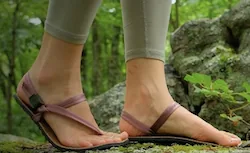
Earth Runners
Est. Price
--
Performance
Ingredient Safety
Meets the Welpr Standard
Discount Code
WELPRBuy Now
on Earth Runners
Certifications
Free From

Free From
How to Swap to Non-Toxic baby & kids' shoes:
Here's how to swap to non-toxic baby & kids' shoes:
What to know about baby & kids shoes
Little feet spend a lot of time in shoes, and children's skin is thinner and more absorbent than adults'. Welpr looks at what shoes are made of — the upper materials, linings, soles, dyes, and any coatings or treatments — because these are what sit against your child's skin for hours at a time.
- Shoes made from natural materials like leather, organic cotton, wool, or hemp are less likely to carry chemical residues than synthetic alternatives.
- Pay extra attention to the interior lining and insole, since these have the most direct and prolonged contact with skin.
Check the shoes your child wears now
Look at the materials listed on the tongue label, insole, or box of your child's current shoes. Focus first on the pairs they wear most often or for the longest stretches, like everyday sneakers or daycare shoes.
- Look for terms like 'synthetic upper,' 'man-made materials,' or 'PVC' — these indicate the shoe is mostly made from plastics rather than natural materials.
- If you notice a strong chemical smell when you open the box or take the shoes out, that can be a sign of chemical treatments or adhesives worth noting.
Get more from the shoes you already have
Replacing all your child's shoes at once isn't always practical. A few small steps can help reduce direct exposure from pairs you plan to keep using for now.
- Have your child wear socks made from organic cotton or wool as a barrier layer between skin and the shoe lining.
- For fabric shoes, remove the insoles and air them out in a well-ventilated area for a day or two before first use.
Choose cleaner replacements
When it's time for new shoes, look for pairs made primarily from natural materials like leather, organic cotton, wool, or hemp. Welpr favors shoes that skip synthetic dyes, PVC soles, and chemical coatings in favor of simple, transparent construction.
- Certifications like GOTS or OEKO-TEX® are a good sign, but also check that the brand clearly lists all materials — vague descriptions like 'textile upper' without detail are worth questioning.
- Click the button above to shop Welpr Approved baby & kids shoes.
Camille May
Cofounder & Product Curator
Camille May is the co-creator of Welpr and a guide for clean living. After selling her last company in the health food space, she went non-toxic while working to heal an autoimmune condition....
Olushola M. Awoyemi
Medical Reviewer, PhD
Olushola M. Awoyemi (aka Shola) is a board-certified toxicologist and a research scientist with a PhD in Environmental Toxicology. Shola's long-term ambition is to be recognized as a world-renowned expert in toxicology,...