



Top Pick
Think
Sunscreen Stick (SPF 30)
- Free From
- Cruelty Free, Dye Free, Formaldehyde Free, Paraben Free, Phthalate Free
- Certified
- Leaping Bunny
- Highlights
- Cruelty-free, Made in USA, SPF 30, Stick, Water resistant
9.0
Performance score
010
Where to buy
- AmazonSee price
Pros
- Compact enough to toss in a purse or diaper bag without taking up any room.
- The stick format is mess-free and easy to swipe on kids, especially on the face, ears, and back of the neck.
- Kids tolerate the stick better than spray or lotion, and older kids can apply it themselves.
- Provided effective sun protection during full beach days without burning.
Cons
- Leaves a noticeable white cast, especially on darker skin tones, and takes significant rubbing to blend in.
- The texture is thick and chalky; the stick can drag or stick on skin rather than glide smoothly.
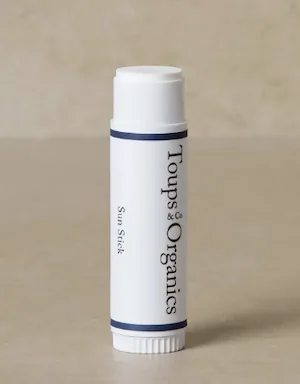
- The tube is much smaller than most people expect, roughly thumb-sized rather than standard deodorant-sized.
- Stick format means you twist up and swipe it directly onto skin, no hands required. That makes it noticeably easier to apply on a squirming baby's face compared to squeezing out a lotion.
- Mineral-based, so it works by sitting on top of the skin and physically blocking UV rays rather than absorbing them chemically. Protection starts immediately on application, no 15-minute wait needed.
- The formula is built around plant-based oils, butters, and waxes rather than synthetic stabilizers or preservatives, which keeps the ingredient list short for a non-toxic baby sunscreen.
- Compact enough to fit in a pocket or toss in a diaper bag. At 0.64 oz, it's sized more for face touch-ups and quick outings than full-body coverage.
- Think has been making baby-safe products since 2006 and follows what they call the precautionary principle: they won't use a material unless it's been vetted through peer-reviewed science, not just because it's free of a particular buzzword.
- Zinc Oxide 20%
- Helianthus Annuus (Sunflower) Seed Oil
- Cocos Nucifera (Coconut) Oil
- Cera Alba (Beeswax)
- Euphorbia Cerifera (Candelilla) Wax
- Ricinus Communis (Castor) Oil
- Copernicia Cerifera (Carnauba) Wax
- Butyrospermum Parkii (Shea) Butter
- Theobroma Cacao (Cocoa) Seed Butter
- Tocopherol
- Aloe Barbadensis (Aloe) Leaf Juice