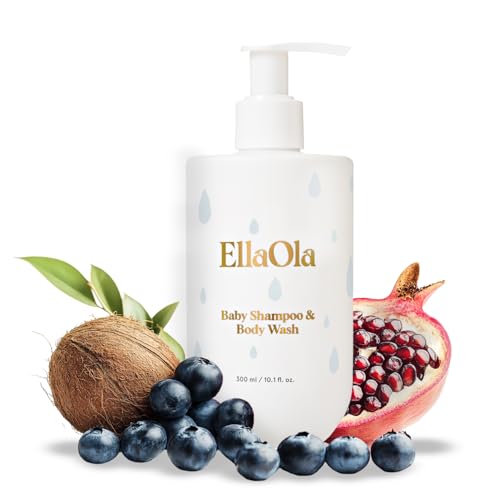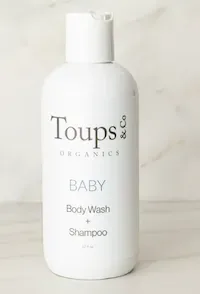

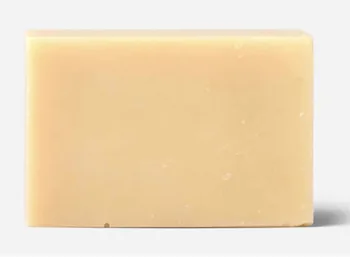
As an Amazon Associate, we earn from qualifying purchases. Affiliate links do not affect our ratings. Learn more.
Best Non-Toxic Baby Washes
We vetted baby washes against the Welpr Standard and here are our top picks.
Here's what we look for:
- Thoughtful formulas using fully natural or safe synthetic ingredients
- No parabens, PEGs, phthalates, harsh sulfates, BHA/BHT, artificial dyes, formaldehyde or formaldehyde releasers, or undisclosed synthetic fragrance (unless certified safe)
- Minimal, necessary preservatives only
- Trusted third-party certifications when available
- Transparent sourcing, ingredients, and manufacturing practices
Best Non-Toxic Baby Washes
On Welpr, terms like "non-toxic," "safer," "cleaner," "healthier," and "vetted" are editorial labels based on our own standard for product assessment. They are not guarantees, certifications, or medical claims. Learn more.
Welpr Blueprint: Go Non-Toxic Mini-Course
The 80/20 guide to going non-toxic the easy way.
WELPR15Use link for discountHow to Swap to Non-Toxic baby washes:
Here's how to swap to non-toxic baby washes:
What to know about baby wash
Baby wash touches your baby's entire body and is used frequently, often daily. Because babies have thinner skin and developing bodies, what goes into their wash matters even more than it does for adults. Welpr focuses on simple, gentle formulas free from synthetic fragrance, sulfates, parabens, and other common irritants.
- Baby wash is a high-priority product because of how often it's used and how much skin it covers.
- Even products labeled "gentle" or "tear-free" can contain synthetic fragrances, preservatives, or sulfates that Welpr flags.
Review what you already use
Check the baby wash you currently have at home using the Welpr Personal Care and Cosmetic Scanner. It will analyze the ingredient label and flag anything that doesn't meet Welpr's standards for baby products.
- Start with the wash you use most often — if you rotate between a few, scan the daily one first.
- Look for red flags on the label like "fragrance" or "parfum," sulfates (such as SLS or SLES), parabens, or artificial dyes.
Use your current baby wash more safely
If you're not ready to switch just yet, small changes in how you use baby wash can make a difference. Since baby wash is rinsed off rather than left on the skin, keeping bath time brief can reduce overall exposure.
- Use a small amount — a little goes a long way, and less product means less contact with your baby's skin.
- Rinse thoroughly and keep baths short, especially for newborns who don't need daily full-body washes.
Choose a cleaner baby wash
Look for baby washes with short, simple ingredient lists and no synthetic fragrance, sulfates, parabens, or artificial dyes. Unscented formulas are preferred, and any scent should come from clearly disclosed, naturally derived sources.
- Skip products that rely on vague terms like "natural" or "dermatologist tested" without listing every ingredient — Welpr requires full transparency.
- Click the button above to shop Welpr Approved baby wash.

Camille May
Cofounder & Product Curator
Camille May is the co-creator of Welpr and a guide for clean living. After selling her last company in the health food space, she went non-toxic while working to heal an autoimmune condition....

Olushola M. Awoyemi
Medical Reviewer, PhD
Olushola M. Awoyemi (aka Shola) is a board-certified toxicologist and a research scientist with a PhD in Environmental Toxicology. Shola's long-term ambition is to be recognized as a world-renowned expert in toxicology,...