

As an Amazon Associate, we earn from qualifying purchases. Affiliate links do not affect our ratings. Learn more.
Best Non-Toxic Bleach Alternatives
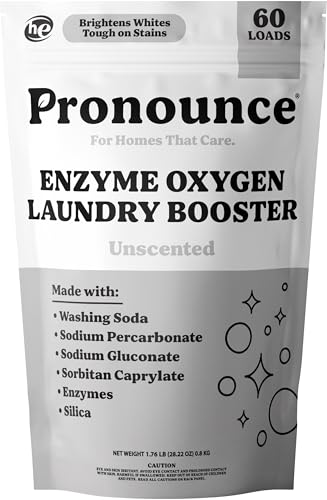
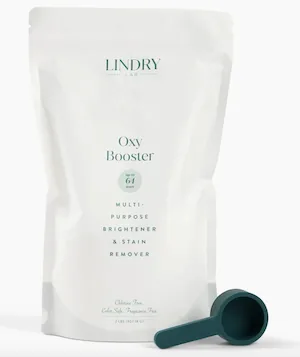
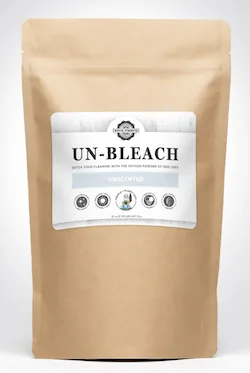
We vetted bleach alternatives against the Welpr Standard and here are our top picks.
Welpr Approved cleaning products are always free from:
- Harsh disinfectants and irritants: bleach, ammonia, sulfates, and quats
- Endocrine disruptors and preservatives: phthalates, parabens, BHA/BHT, triclosan
- Unnecessary additives: optical brighteners, artificial dyes, and synthetic fragrance (unless certified safe)
- Undisclosed or hidden ingredients
Best Non-Toxic Bleach Alternatives
On Welpr, terms like "non-toxic," "safer," "cleaner," "healthier," and "vetted" are editorial labels based on our own standard for product assessment. They are not guarantees, certifications, or medical claims. Learn more.
Welpr Blueprint: Go Non-Toxic Mini-Course
The 80/20 guide to going non-toxic the easy way.
Use link for discountHow to Swap to Non-Toxic bleach alternatives:
Here's how to swap to non-toxic bleach alternatives:
What to know about bleach alternatives
Bleach alternatives are products designed to whiten, brighten, or disinfect without using chlorine bleach. Because they're often used frequently and in enclosed spaces like laundry rooms and bathrooms, what's in the formula matters. Welpr looks at the ingredients, transparency of the brand, and whether the product avoids common irritants like synthetic fragrances, harsh sulfates, and optical brighteners.
- Many bleach alternatives still contain undisclosed fragrances, quats, or optical brighteners that can linger on fabrics and surfaces.
- Products used in small, poorly ventilated spaces or on items that touch your skin (like laundry) deserve extra attention.
Review what you already use
Check the label on your current bleach alternative for a full ingredient list. Products that hide behind vague terms like "proprietary blend" or don't list ingredients at all are a red flag. Welpr prioritizes brands that are fully transparent about what's inside.
- Look for terms like "fragrance," "parfum," "optical brighteners," or "quats" on the label — these are common in conventional bleach alternatives and are things Welpr screens out.
- Start with the bleach alternative you use most often, especially if it's for laundry that sits against your skin all day.
Use your current bleach alternative more safely
If you're not ready to switch yet, small changes in how you use your current product can make a difference. This is especially helpful if you use it in tight spaces or on fabrics worn close to the body.
- Open a window or turn on a fan when using bleach alternatives in the laundry room or bathroom to improve ventilation.
- Run an extra rinse cycle when using it in laundry to reduce any residue left on clothing, towels, or bedding.
Choose a cleaner bleach alternative
Look for bleach alternatives with simple, fully disclosed ingredient lists from transparent brands. Welpr favors products free from harsh sulfates, optical brighteners, quats, and undisclosed preservatives.
- Certifications like EWG VERIFIED™ or MADE SAFE® are a good sign, but Welpr reviews every product individually — so look for the Welpr Approved label as your simplest shortcut.
- Click the button above to shop Welpr Approved bleach alternatives.

Camille May
Cofounder & Product Curator
Camille May is the co-creator of Welpr and a guide for clean living. After selling her last company in the health food space, she went non-toxic while working to heal an autoimmune condition....

Olushola M. Awoyemi
Medical Reviewer, PhD
Olushola M. Awoyemi (aka Shola) is a board-certified toxicologist and a research scientist with a PhD in Environmental Toxicology. Shola's long-term ambition is to be recognized as a world-renowned expert in toxicology,...