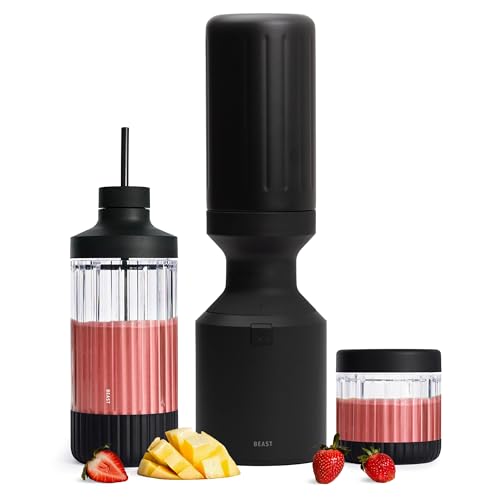

Certifications
Free From
Highlights
Made in USA
Dishwasher safe
3 year warranty
48 oz
As an Amazon Associate, we earn from qualifying purchases. Affiliate links do not affect our ratings. Learn more.
We vetted blenders against the Welpr Standard and here are our top picks.
Cofounder & Product Curator

Medical Reviewer, PhD
Here's what we look for:

On Welpr, terms like "non-toxic," "safer," "cleaner," "healthier," and "vetted" are editorial labels based on our own standard for product assessment. They are not guarantees, certifications, or medical claims. Learn more.
The 80/20 guide to going non-toxic the easy way.

MasterChef
Meets the Welpr Standard
on Amazon

Vitamix
Meets the Welpr Standard
on Amazon

Oster
Meets the Welpr Standard
on Amazon
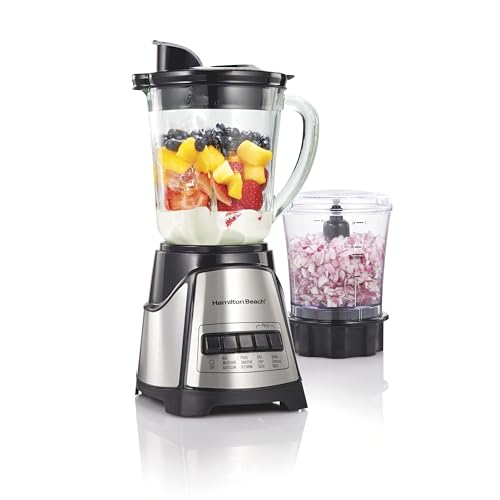
Hamilton Beach
Meets the Welpr Standard
on Amazon

Waring
Meets the Welpr Standard
on Amazon
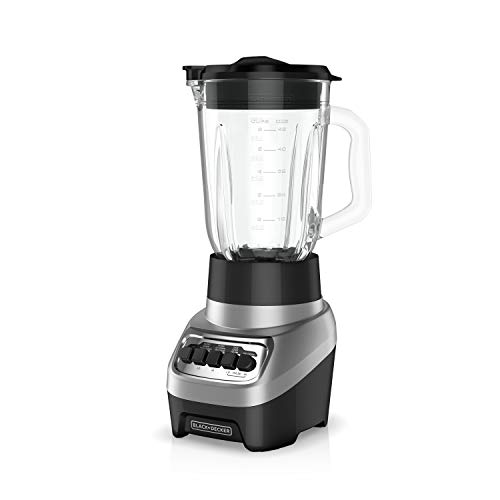
Black & Decker
Meets the Welpr Standard
on Amazon
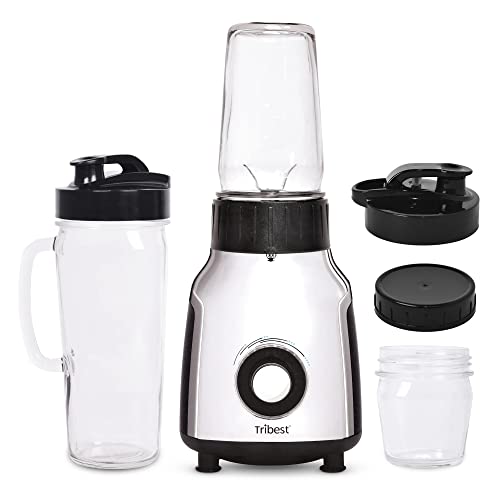
Tribest
Meets the Welpr Standard
on Amazon
Here's how to swap to non-toxic blenders:
The main thing Welpr looks at with blenders is what materials come into contact with your food. Blender jars, blades, lids, and gaskets all touch what you eat and drink, so the materials they're made from matter. Since blenders are often used daily and process both hot and cold foods, choosing non-reactive, non-toxic materials is worth the attention.
Check what your blender jar is made of. This is the biggest factor since it holds your food. Also look at the lid, gasket, and any other parts that touch what you blend.
If your blender has a plastic jar, small changes in how you use it can reduce what transfers into your food. You don't need to replace it overnight.
When you're ready to upgrade, look for a blender with a glass or stainless steel jar. These materials are inert and non-reactive, meaning they won't leach anything into your food regardless of temperature.
Cofounder & Product Curator
Camille May is the co-creator of Welpr and a guide for clean living. After selling her last company in the health food space, she went non-toxic while working to heal an autoimmune condition....
Medical Reviewer, PhD
Olushola M. Awoyemi (aka Shola) is a board-certified toxicologist and a research scientist with a PhD in Environmental Toxicology. Shola's long-term ambition is to be recognized as a world-renowned expert in toxicology,...