



Top Pick
MINICAMP
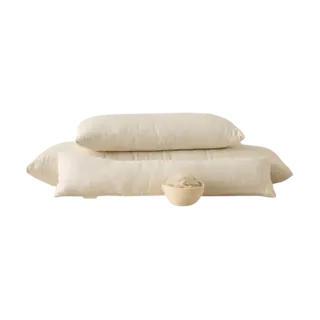
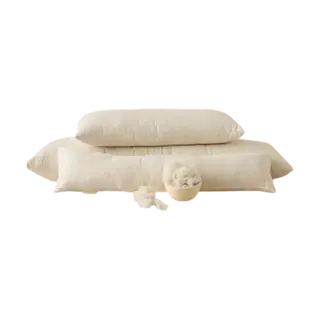
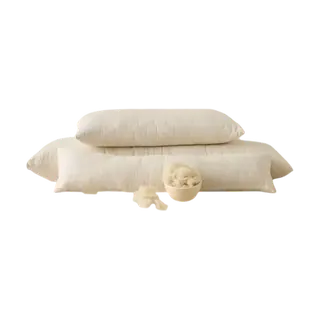
Full Body Support Pillow with Natural Kapok Filling & GOTS Certified Cotton Cover
- Highlights
- Vegan, Made in EU, Hypoallergenic, Recyclable packaging, Compostable packaging, Refillable, Recycled materials, Straight, Kapok fill, 57 in
8.2
Performance score
010
Where to buy
- AmazonSee price
Pros
- Firmer and cooler than typical U-shaped pillows, according to a long-time user who has tried several.
- Long enough to support legs comfortably for taller people (5'8" confirmed).
- No noticeable odor out of the box, though one person still aired it out for a day before use.
- Versatile beyond sleep; works well for lounging on the couch with good body support.
- The filling is easy to adjust to find the right level of support.
Cons
- One person found it uncomfortable enough to return it, with no further detail on why.
- Kapok filling gives this pillow a firmer, springy feel closer to memory foam than the typical squishy polyester body pillow. It's plant-based and naturally breathable, though it may compress over time (the pillow has a zipper so you can add or remove filling to adjust firmness).
- Primarily designed for pregnancy support, but also used for side sleeping, lumbar support, and post-surgery recovery. The full-body length lets you cradle it between your knees, behind your back, or around your belly.
- Kapok has a mild natural scent out of the box. MINICAMP recommends airing it out for a few days before use. The filling can't be washed, but kapok is naturally moisture-resistant, so it stays fresh without laundering.
- Among non-toxic body pillows, most use synthetic fills or down alternatives. The kapok option here is one of the few plant-based fills available in this category, offering support without petroleum-based materials.
- Handmade in Lithuania by a small family operation that keeps the entire production process within 200 kilometers of their workshop in Vilnius. MINICAMP started in 2014 making children's teepees and expanded into body pillows using the same local artisan network.
- Organic Cotton
- Natural Kapok Fiber