

Bluecorn Beeswax
Beeswax Candle in Glass
Est. Price$35.50
8.7
Performance
Ingredient Safety
Meets the Welpr Standard
Buy Now
on Amazon
Highlights
Hypoallergenic
Refillable
Recycled materials
Container
Lightly scented
18 hrs
As an Amazon Associate, we earn from qualifying purchases. Affiliate links do not affect our ratings. Learn more.
We vetted candles against the Welpr Standard and here are our top picks.

Cofounder & Product Curator

Medical Reviewer, PhD
Here's what we look for:

On Welpr, terms like "non-toxic," "safer," "cleaner," "healthier," and "vetted" are editorial labels based on our own standard for product assessment. They are not guarantees, certifications, or medical claims. Learn more.
Bluecorn Beeswax
Meets the Welpr Standard
on Amazon
The 80/20 guide to going non-toxic the easy way.

Living Good Candle Co.
Meets the Welpr Standard
on Amazon

Big Dipper Wax Works
Meets the Welpr Standard
on Amazon
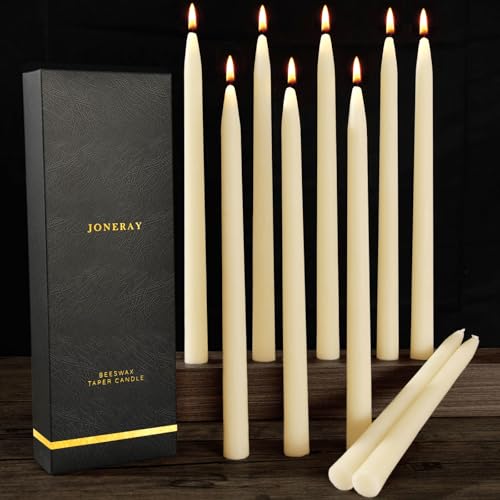
Joneray
Meets the Welpr Standard
on Amazon

Fontana Candle Company
Meets the Welpr Standard
on Amazon

Hemlock Park
Meets the Welpr Standard
on Amazon
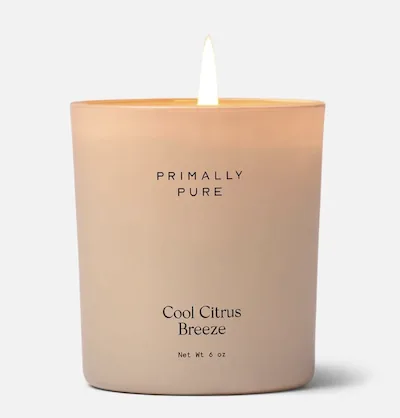
Primally Pure
Meets the Welpr Standard
WELPRon Primally Pure
Here's how to swap to non-toxic candles:
When a candle burns, everything in it—wax, wick, fragrance, dyes—releases into the air you breathe. That makes the materials a candle is made from especially important, since you're inhaling them directly in an enclosed space.
Check the labels or product pages for each candle you own. Look at the wax type, wick material, and fragrance source. Many candles don't list full details, which is worth noting.
If you're not ready to replace your candles right away, a few simple habits can reduce what you're breathing in while you use them up.
Look for candles made with natural waxes like beeswax or coconut, paired with cotton, wood, or hemp wicks. If you want scent, choose candles that use essential oils or herbs rather than synthetic fragrance.
Cofounder & Product Curator
Camille May is the co-creator of Welpr and a guide for clean living. After selling her last company in the health food space, she went non-toxic while working to heal an autoimmune condition....
Medical Reviewer, PhD
Olushola M. Awoyemi (aka Shola) is a board-certified toxicologist and a research scientist with a PhD in Environmental Toxicology. Shola's long-term ambition is to be recognized as a world-renowned expert in toxicology,...