

Chicco
OneFit ClearTex All-in-One Car Seat
Est. Price$319.99
8.7
Performance
Ingredient Safety
Meets the Welpr Standard
Buy Now
on Amazon
Certifications
Free From
Highlights
Dishwasher safe
All-in-one
5-100 lbs
LATCH compatible
As an Amazon Associate, we earn from qualifying purchases. Affiliate links do not affect our ratings. Learn more.
We vetted car seats against the Welpr Standard and here are our top picks.

Cofounder & Product Curator

Medical Reviewer, PhD
Here's what we look for:

On Welpr, terms like "non-toxic," "safer," "cleaner," "healthier," and "vetted" are editorial labels based on our own standard for product assessment. They are not guarantees, certifications, or medical claims. Learn more.
Chicco
Meets the Welpr Standard
on Amazon
The 80/20 guide to going non-toxic the easy way.

Maxi-Cosi
Meets the Welpr Standard
on Amazon

Britax
Meets the Welpr Standard
on Amazon

Clek
Meets the Welpr Standard
on Amazon

UPPAbaby
Meets the Welpr Standard
on Amazon
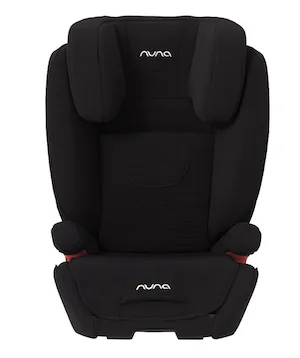
Nuna
Meets the Welpr Standard
on Pottery Barn Kids
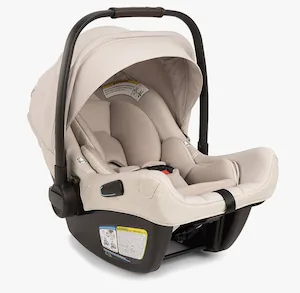
Nuna
Meets the Welpr Standard
on Pottery Barn Kids
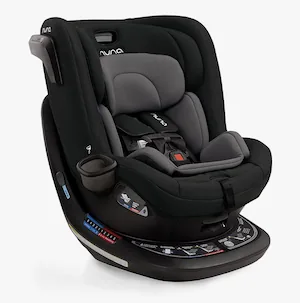
Nuna
Meets the Welpr Standard
on Pottery Barn Kids
Here's how to swap to non-toxic car seats:
Car seats are made with foam padding, fabric covers, and plastic shells — all of which can contain materials worth paying attention to. Since babies spend a lot of time in car seats and their skin and airways are still developing, the materials matter more than you might expect.
Look up your car seat's brand and model to find out what it's made of. Check the manufacturer's website or product listing for details on the foam, fabric, and any certifications.
If you're not ready to replace your car seat right away, a few simple habits can reduce your baby's exposure to off-gassing and surface chemicals.
Look for car seats with certified foam and natural or clearly disclosed fabrics. The best options use CertiPUR-US® or GREENGUARD Gold certified foam and cover fabrics free from PFAS, flame retardants, and synthetic fragrance.
Cofounder & Product Curator
Camille May is the co-creator of Welpr and a guide for clean living. After selling her last company in the health food space, she went non-toxic while working to heal an autoimmune condition....
Medical Reviewer, PhD
Olushola M. Awoyemi (aka Shola) is a board-certified toxicologist and a research scientist with a PhD in Environmental Toxicology. Shola's long-term ambition is to be recognized as a world-renowned expert in toxicology,...