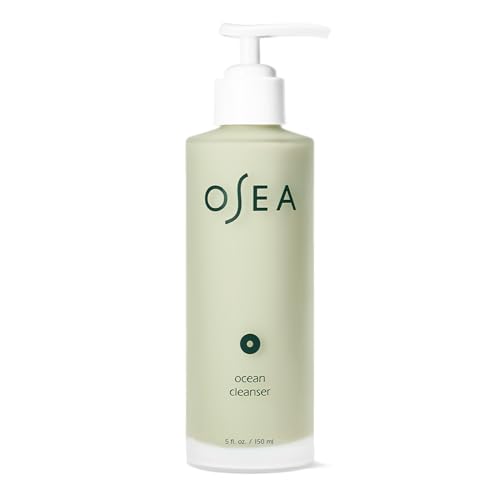
Product image coming soon
Farmacy Beauty
Green Clean Cleansing Balm
Est. PricePrice unavailable
8.2
Performance
Ingredient Safety
Fails the Welpr Standard
As an Amazon Associate, we earn from qualifying purchases. Affiliate links do not affect our ratings. Learn more.
We vetted cleansing balms & oils against the Welpr Standard and here are our top picks.

Cofounder & Product Curator

Medical Reviewer, PhD
Here's what we look for:

On Welpr, terms like "non-toxic," "safer," "cleaner," "healthier," and "vetted" are editorial labels based on our own standard for product assessment. They are not guarantees, certifications, or medical claims. Learn more.
Farmacy Beauty
Fails the Welpr Standard
The 80/20 guide to going non-toxic the easy way.

Honest Beauty
Meets the Welpr Standard
on Amazon

Bambu Earth
Meets the Welpr Standard
on Amazon

Living Libations
Meets the Welpr Standard
on Amazon

Fre
Meets the Welpr Standard
on Amazon
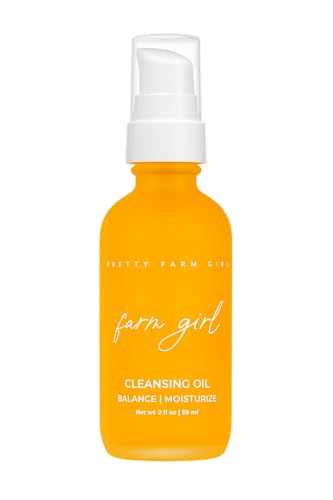
Pretty Farm Girl
Meets the Welpr Standard
on Amazon

RANAVAT
Meets the Welpr Standard
on Amazon

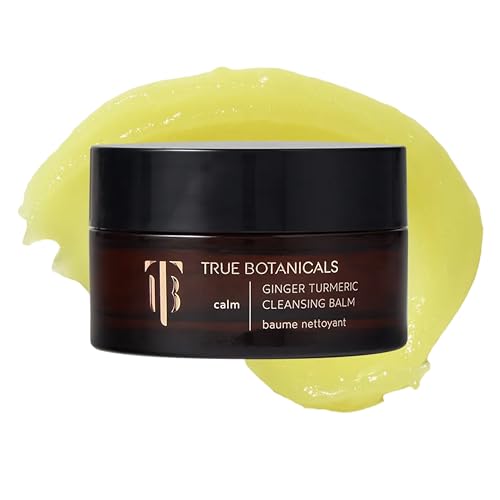
True Botanicals
Meets the Welpr Standard
on Amazon

Yepoda
Meets the Welpr Standard
on Amazon

Cocokind
Meets the Welpr Standard
on Amazon

Ere Perez
Meets the Welpr Standard
on Amazon
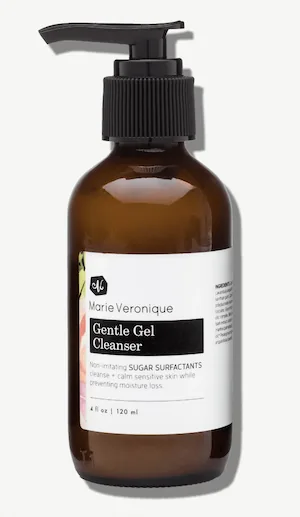
Marie Veronique
Meets the Welpr Standard
on Credo Beauty
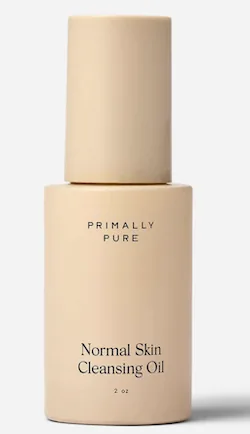
Primally Pure
Meets the Welpr Standard
WELPRon Primally Pure
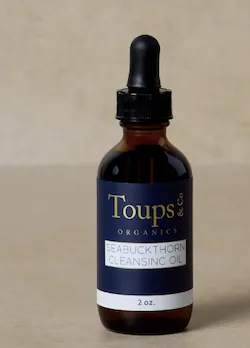
Toups & Co
Meets the Welpr Standard
Use link for discounton Toups & Co

Typology
Meets the Welpr Standard
on Amazon
Here's how to swap to non-toxic cleansing balms & oils:
Cleansing balms and oils are designed to dissolve makeup and impurities directly on your face, one of the most sensitive areas of your body. Because they sit on your skin while you massage them in, the ingredients matter more than in a quick rinse-off product. Welpr focuses on the formulation — looking at the base oils, emulsifiers, fragrances, and preservatives used.
Check your current cleansing balm or oil against Welpr's standards using the Welpr Personal Care and Cosmetic Scanner. It takes a picture of your ingredient label and flags anything worth knowing about.
If you're not ready to replace your cleansing balm or oil right away, small adjustments can help. Reducing contact time and frequency can make a difference while you explore alternatives.
Look for products with simple formulas built around plant-based oils and minimal ingredients. The best options skip synthetic fragrance, harsh preservatives, and unnecessary additives. If scented, they should use only essential oils or plant extracts.
Cofounder & Product Curator
Camille May is the co-creator of Welpr and a guide for clean living. After selling her last company in the health food space, she went non-toxic while working to heal an autoimmune condition....
Medical Reviewer, PhD
Olushola M. Awoyemi (aka Shola) is a board-certified toxicologist and a research scientist with a PhD in Environmental Toxicology. Shola's long-term ambition is to be recognized as a world-renowned expert in toxicology,...