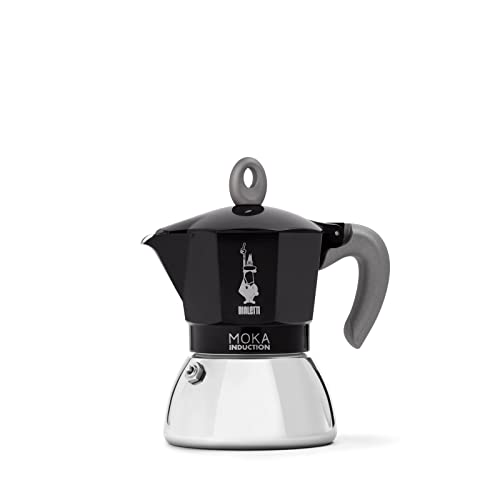

Bialetti
Stainless Steel Stovetop Coffee Maker
Est. Price$59.99
8.3
Performance
Ingredient Safety
Meets the Welpr Standard
Buy Now
on Amazon
Highlights
Made in EU
Dishwasher safe
Moka pot
6 cups
Stovetop
As an Amazon Associate, we earn from qualifying purchases. Affiliate links do not affect our ratings. Learn more.
We vetted coffee makers against the Welpr Standard and here are our top picks.

Cofounder & Product Curator

Medical Reviewer, PhD
Here's what we look for:

On Welpr, terms like "non-toxic," "safer," "cleaner," "healthier," and "vetted" are editorial labels based on our own standard for product assessment. They are not guarantees, certifications, or medical claims. Learn more.
Bialetti
Meets the Welpr Standard
on Amazon
The 80/20 guide to going non-toxic the easy way.

Bodum
Meets the Welpr Standard
on Amazon

Veken
Meets the Welpr Standard
on Amazon

Bodum
Meets the Welpr Standard
on Amazon

Chemex
Meets the Welpr Standard
on Amazon
Mueller
Meets the Welpr Standard
on Amazon

Cosori
Meets the Welpr Standard
on Amazon

Cafe Du Chateau
Meets the Welpr Standard
on Amazon

Breville
Meets the Welpr Standard
on Amazon

Chemex
Meets the Welpr Standard
on Amazon
Hario
Meets the Welpr Standard
on Amazon

Hario
Meets the Welpr Standard
on Amazon

Flair
Meets the Welpr Standard
on Amazon
GROSCHE
Meets the Welpr Standard
on Amazon
wirsh
Meets the Welpr Standard
on Amazon

La Pavoni
Meets the Welpr Standard
on Amazon
Public Goods
Meets the Welpr Standard
on Amazon

West Bend
Meets the Welpr Standard
on Amazon

Simply Good Coffee
Meets the Welpr Standard
on Amazon

Sivaphe
Meets the Welpr Standard
on Amazon
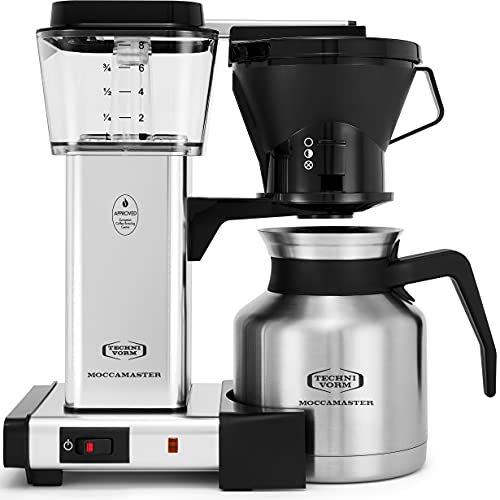
Moccamaster
Meets the Welpr Standard
on Amazon

OXO
Meets the Welpr Standard
on Amazon
Here's how to swap to non-toxic coffee makers:
The materials inside your coffee maker matter because hot water passes through them every time you brew. Heat can cause certain materials to release unwanted substances into your coffee, especially plastics and synthetic coatings. Since most people brew daily, the materials that touch hot water and your coffee deserve attention.
Take a close look at your current coffee maker and identify what materials are in direct contact with hot water and brewed coffee. Check the product listing, manual, or manufacturer's website for material details.
If your coffee maker has plastic parts that touch hot water, you don't need to replace it overnight. A few small adjustments can reduce what ends up in your cup while you plan your next purchase.
Look for coffee makers built primarily with stainless steel, glass, or ceramic in all areas that contact water and coffee. The best options keep plastic away from the brewing path entirely and avoid synthetic nonstick coatings.
Cofounder & Product Curator
Camille May is the co-creator of Welpr and a guide for clean living. After selling her last company in the health food space, she went non-toxic while working to heal an autoimmune condition....
Medical Reviewer, PhD
Olushola M. Awoyemi (aka Shola) is a board-certified toxicologist and a research scientist with a PhD in Environmental Toxicology. Shola's long-term ambition is to be recognized as a world-renowned expert in toxicology,...