


As an Amazon Associate, we earn from qualifying purchases. Affiliate links do not affect our ratings. Learn more.
Best Non-Toxic Coffee Tables
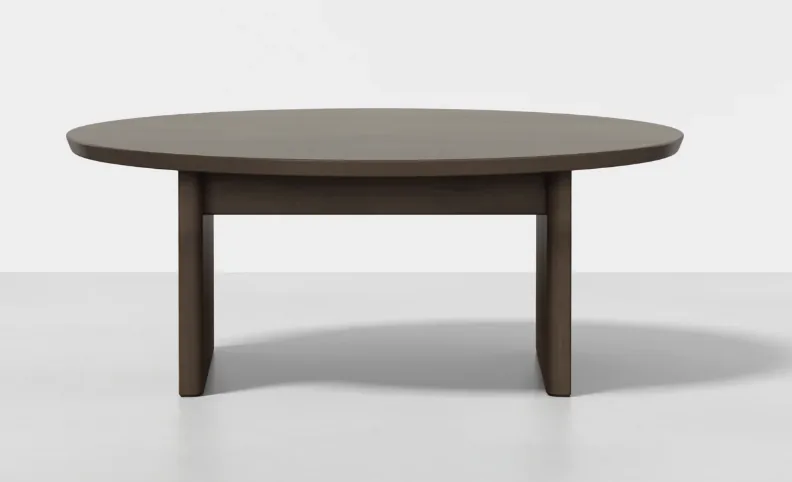
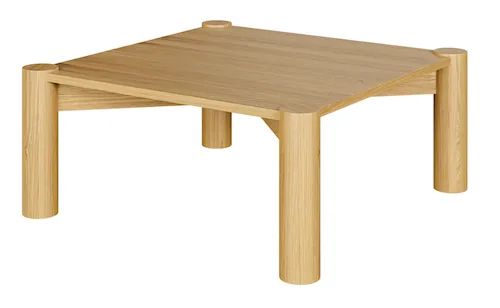
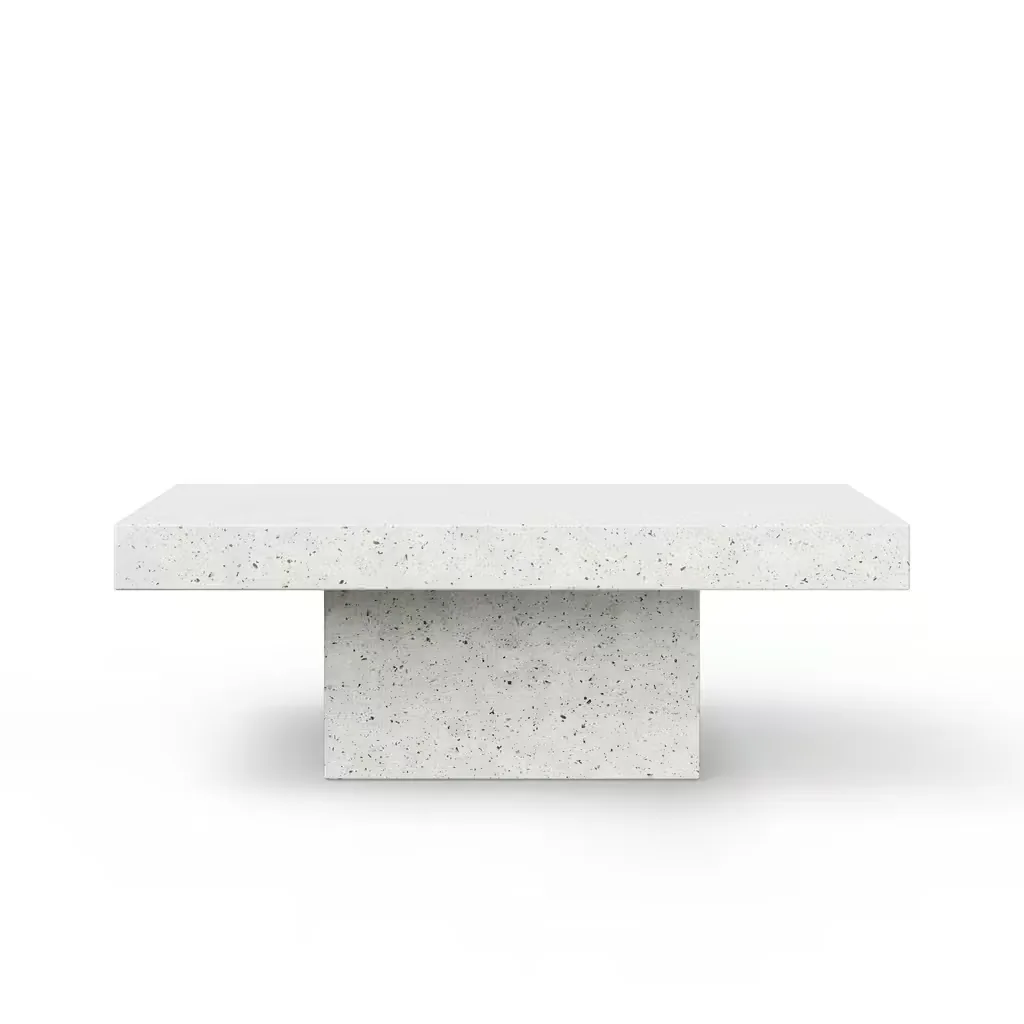
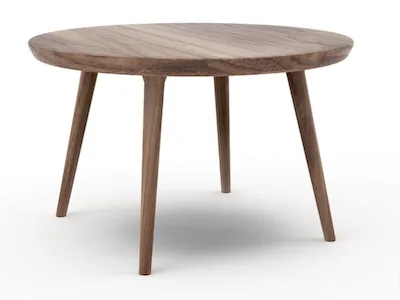
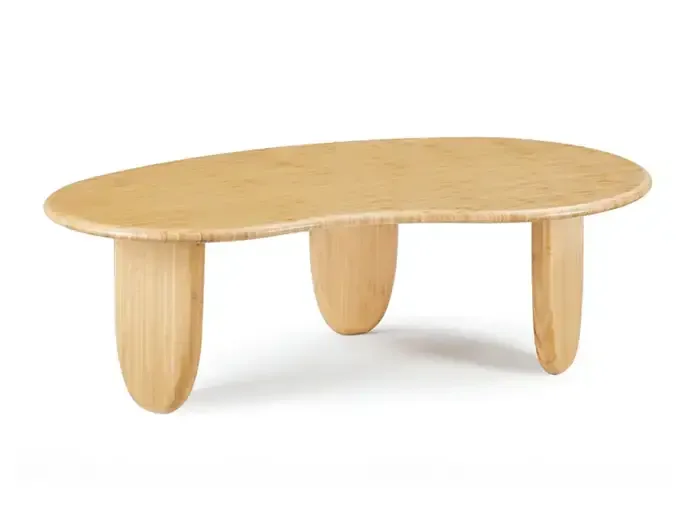
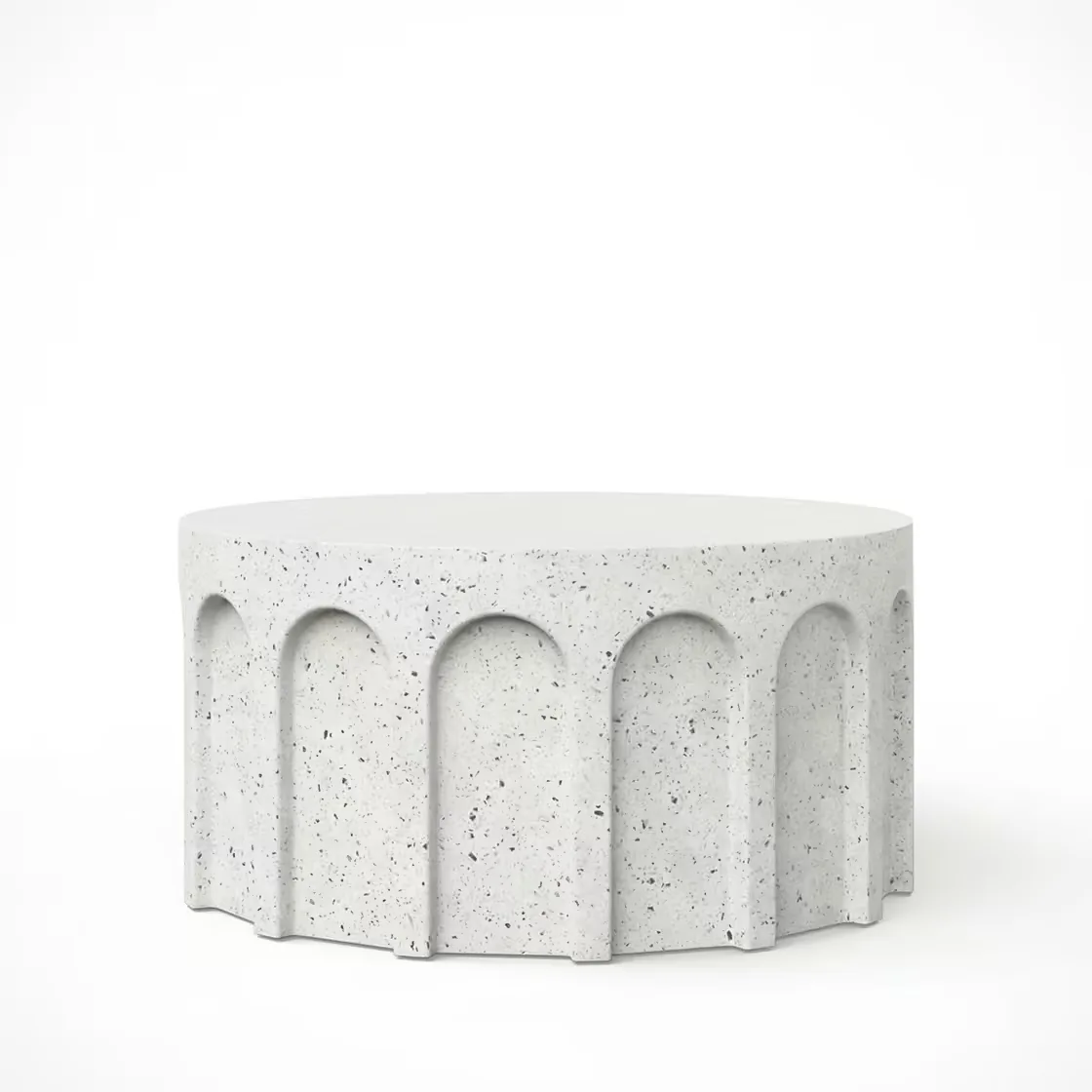
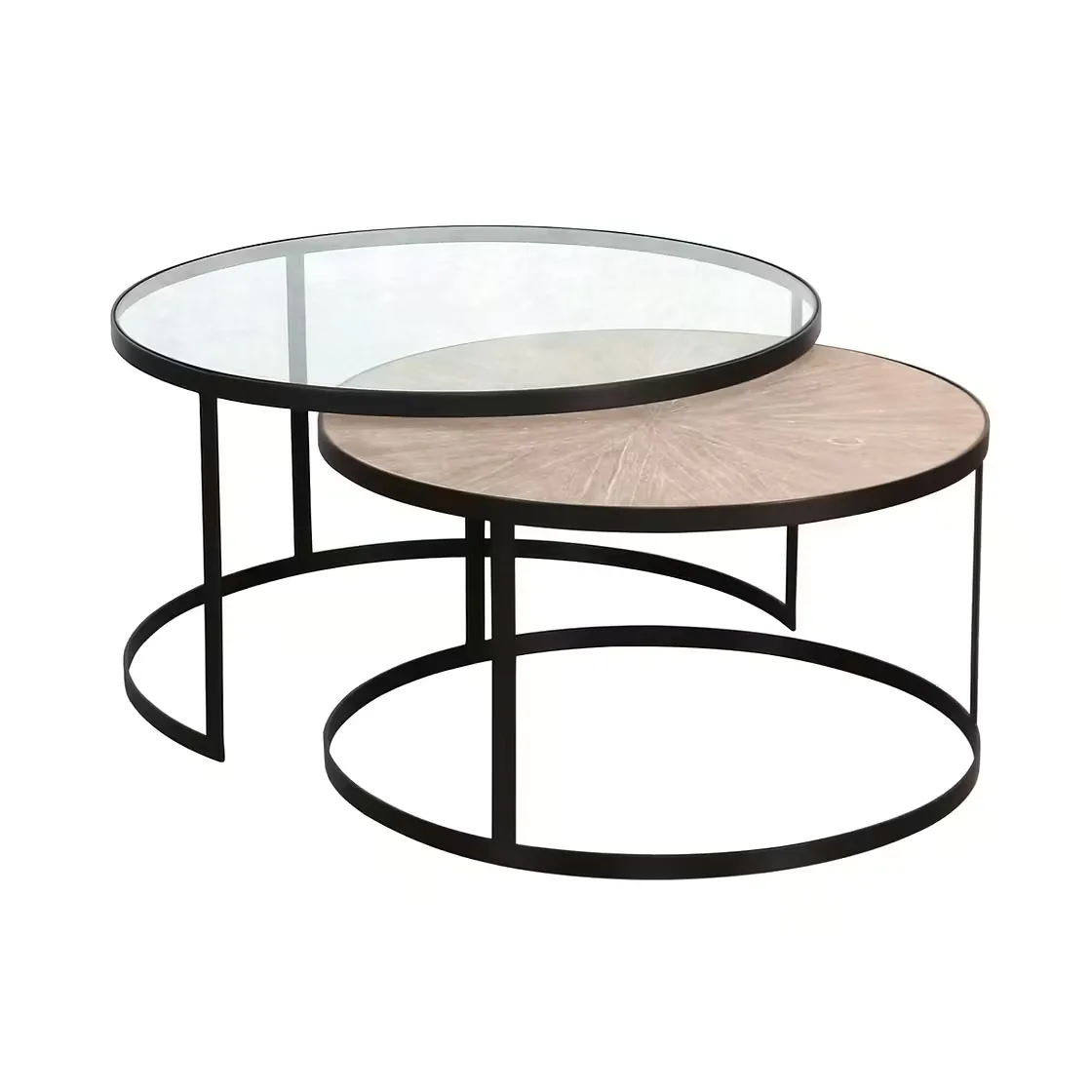
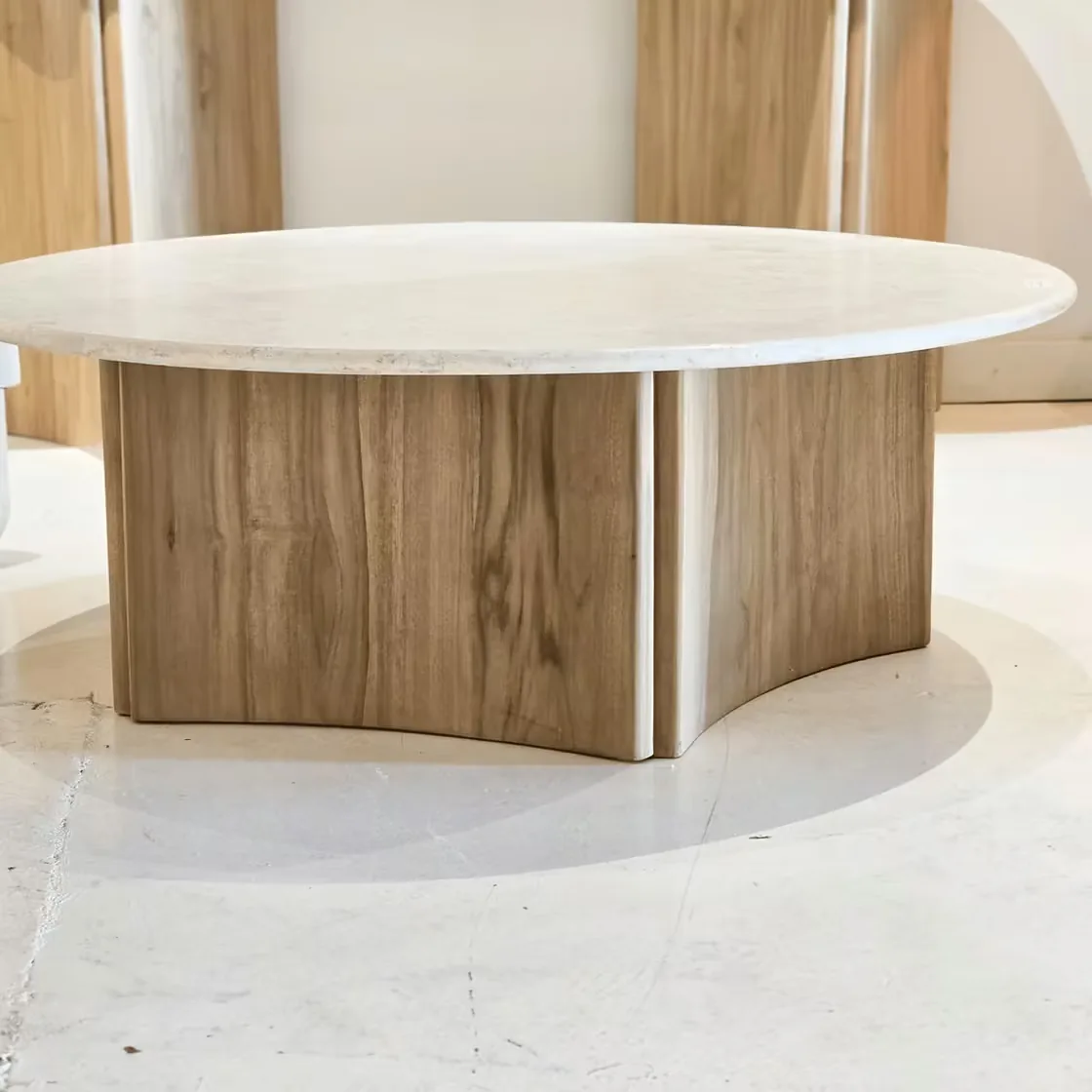
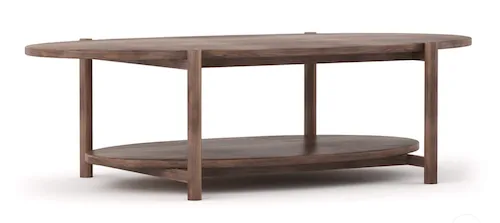
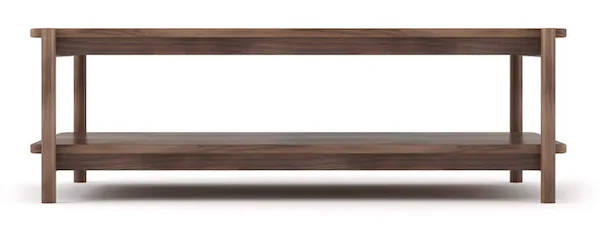
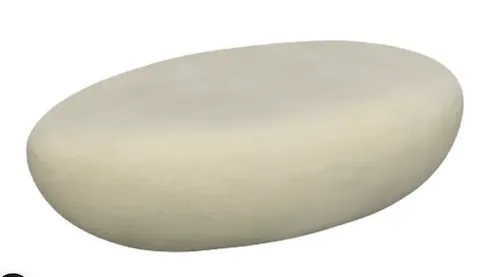
We vetted coffee tables against the Welpr Standard and here are our top picks.
Here's what we look for:
- Natural, non-toxic materials like solid wood (never MDF or particleboard), stone, and steel
- Low- or zero-VOC finishes, glues, and adhesives
- Transparent sourcing, ethical manufacturing, and full material disclosure
Best Non-Toxic Coffee Tables
On Welpr, terms like "non-toxic," "safer," "cleaner," "healthier," and "vetted" are editorial labels based on our own standard for product assessment. They are not guarantees, certifications, or medical claims. Learn more.
Welpr Blueprint: Go Non-Toxic Mini-Course
The 80/20 guide to going non-toxic the easy way.
WELPRHow to Swap to Non-Toxic coffee tables:
Here's how to swap to non-toxic coffee tables:
What to know about coffee tables
Coffee tables sit in the center of your living space, often near where you relax, eat, and spend the most time. Welpr focuses on what the table is made of — the wood, the finish, and any glues or coatings — because these materials can quietly release compounds called VOCs into your indoor air over time.
- Tables made from particleboard, MDF, or engineered wood often use glues that off-gas formaldehyde, a common indoor air quality concern.
- Finishes and stains matter too — conventional options can release VOCs for months or even years after purchase.
Review the coffee table you already have
Check what your current coffee table is made of. Look at the product listing, original tags, or the manufacturer's website for details on materials, wood type, and finish.
- If the description says "engineered wood," "MDF," or "particleboard," the table likely contains adhesives that off-gas — prioritize replacing it if it's in a room you use daily.
- If you can't find material details anywhere, that lack of transparency is itself a red flag worth noting.
Reduce exposure from your current coffee table
If replacing your coffee table isn't realistic right now, a few simple habits can help lower what you're breathing in. This is especially worthwhile for tables made from pressed wood or with a strong chemical smell.
- Open windows regularly in the room where your coffee table sits — even 10–15 minutes a day helps cycle out indoor air.
- If the table has a noticeable odor, letting it air out in a garage or well-ventilated area for a few days can speed up initial off-gassing.
Choose a cleaner coffee table
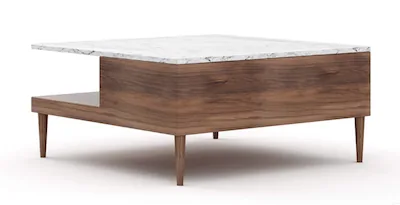
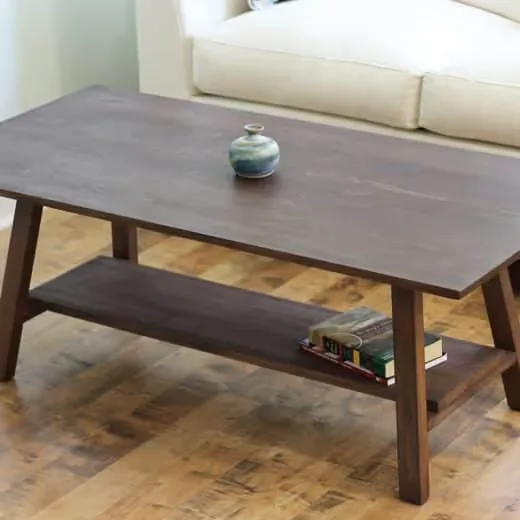
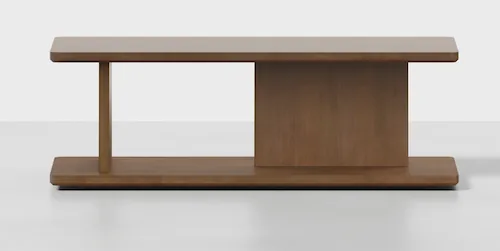
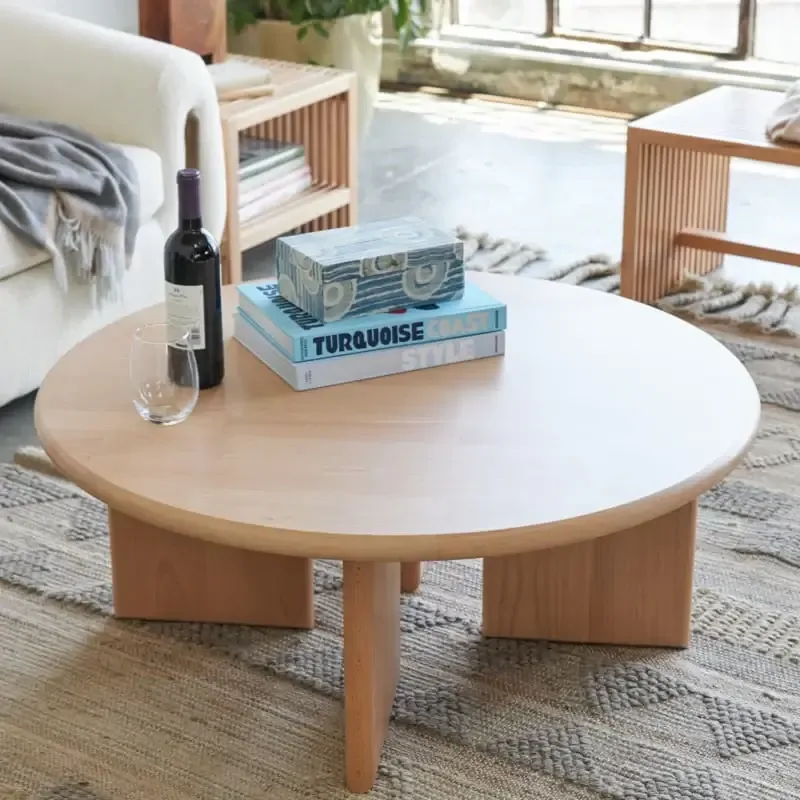
Look for coffee tables made from solid wood with low-VOC or zero-VOC finishes. Plant-based oil finishes and water-based stains are good signs. Avoid anything made from MDF, particleboard, or engineered wood.
- A certification like GREENGUARD Gold is a helpful starting point, but also look for brands that clearly list their materials, glues, and finishes — transparency matters most.
- Click the button above to shop Welpr Approved coffee tables.

Camille May
Cofounder & Product Curator
Camille May is the co-creator of Welpr and a guide for clean living. After selling her last company in the health food space, she went non-toxic while working to heal an autoimmune condition....

Olushola M. Awoyemi
Medical Reviewer, PhD
Olushola M. Awoyemi (aka Shola) is a board-certified toxicologist and a research scientist with a PhD in Environmental Toxicology. Shola's long-term ambition is to be recognized as a world-renowned expert in toxicology,...