

As an Amazon Associate, we earn from qualifying purchases. Affiliate links do not affect our ratings. Learn more.
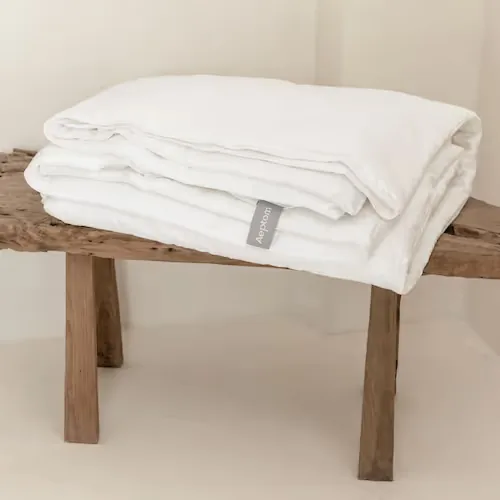
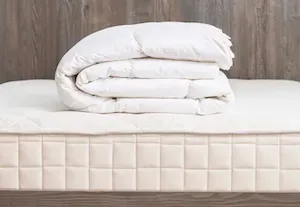
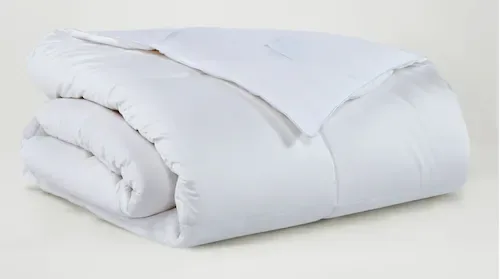
Best Non-Toxic Comforters Bedspreads
We vetted comforters & bedspreads against the Welpr Standard and here are our top picks.
Here's what we look for:
- Natural fibers like organic cotton, linen, wool, and hemp
- Non-toxic dyes and low-impact finishes
- Natural fills like wool, cotton, down, or kapok (never synthetic)
- Trusted third-party certifications like GOTS & OEKO-TEX
- Brands that are transparent about sourcing, materials, and ethics
Best Non-Toxic Comforters Bedspreads
On Welpr, terms like "non-toxic," "safer," "cleaner," "healthier," and "vetted" are editorial labels based on our own standard for product assessment. They are not guarantees, certifications, or medical claims. Learn more.
Welpr Blueprint: Go Non-Toxic Mini-Course
The 80/20 guide to going non-toxic the easy way.
How to Swap to Non-Toxic comforters & bedspreads:
Here's how to swap to non-toxic comforters & bedspreads:
What to know about comforters and bedspreads
Your comforter is one of the closest, longest-contact items you own. It sits against your skin for hours every night, which means the fabric, fill, and any treatments on it all matter.
- Welpr focuses on what a comforter is made of — the outer fabric, the fill material, and whether it's been treated with dyes or finishes.
- Because bedding touches large areas of skin for extended periods, it's one of the higher-priority categories in Welpr's risk framework.
Review what you already sleep with
Check the care and content labels on your current comforter or bedspread. Look for the fabric and fill materials — these tell you the most about what you're sleeping in.
- Look for terms like "100% polyester fill" or "microfiber" on the tag, which indicate synthetic materials rather than natural options like cotton, wool, or down.
- If your comforter lists certifications like GOTS, OEKO-TEX®, or MADE SAFE®, that's a good sign — but also check what the fill and outer shell are actually made of.
Use your current comforter more safely
If replacing your comforter isn't practical right now, a couple of simple habits can reduce direct contact with less ideal materials.
- Use a duvet cover made from natural fibers like organic cotton or linen as a barrier between you and a synthetic comforter.
- Wash your comforter or bedspread regularly and air it out in sunlight when possible to help reduce residual odors from finishes or treatments.
Choose a cleaner comforter
Look for comforters and bedspreads made with natural fiber shells and natural fills. Simple materials and transparent brands are the best indicators of a cleaner product.
- Choose fills like wool, down, or plant-based options like kapok, and outer shells made from organic cotton, linen, or hemp — avoid synthetic fills and fabrics treated with chemical finishes.
- Click the button above to shop Welpr Approved comforters and bedspreads.

Camille May
Cofounder & Product Curator
Camille May is the co-creator of Welpr and a guide for clean living. After selling her last company in the health food space, she went non-toxic while working to heal an autoimmune condition....

Olushola M. Awoyemi
Medical Reviewer, PhD
Olushola M. Awoyemi (aka Shola) is a board-certified toxicologist and a research scientist with a PhD in Environmental Toxicology. Shola's long-term ambition is to be recognized as a world-renowned expert in toxicology,...