

As an Amazon Associate, we earn from qualifying purchases. Affiliate links do not affect our ratings. Learn more.
Best Non-Toxic Cotton Swabs Pads
We vetted cotton swabs & pads against the Welpr Standard and here are our top picks.
Here's what we look for:
- Unbleached cotton, bamboo, or other natural fibers, ideally sustainably sourced and organic
- Free from fragrance, chlorine, PFAS, formaldehyde, dyes, and plastics
- Certifications like OEKO-TEX® and GOTS whenever available
- Brands that are transparent about sourcing, materials, and ethical practices
Best Non-Toxic Cotton Swabs Pads
On Welpr, terms like "non-toxic," "safer," "cleaner," "healthier," and "vetted" are editorial labels based on our own standard for product assessment. They are not guarantees, certifications, or medical claims. Learn more.
Welpr Blueprint: Go Non-Toxic Mini-Course
The 80/20 guide to going non-toxic the easy way.
How to Swap to Non-Toxic cotton swabs & pads:
Here's how to swap to non-toxic cotton swabs & pads:
What to know about cotton swabs and pads
Cotton swabs and pads touch some of the most sensitive areas of your body — your face, eyes, and ears — often daily. Welpr looks at what these products are made of and how they're processed, because even simple disposables can contain added chemicals like fragrances, chlorine bleach, optical brighteners, and plastic coatings.
- Products used near your eyes, mouth, and on open skin deserve extra attention because of how easily those areas absorb what touches them.
- Even "100% cotton" products may still be chemically bleached or treated with softeners and brighteners during manufacturing.
Check what you already have
Look at the packaging of the cotton swabs and pads you currently use. Check for details about the materials, bleaching method, and any added treatments or fragrances.
- Look for terms like "chlorine-free," "unbleached," "organic cotton," or "fragrance-free" — if you don't see any of these, the product may use conventional processing.
- Check whether the swab sticks are made of paper or cardboard rather than plastic, and whether pads mention any coatings or added softeners.
Use your current swabs and pads more carefully
If you're not ready to replace what you have, small adjustments can help. Since these products are used near sensitive areas like your eyes and face, being intentional about how you use them makes a difference.
- Avoid using conventional cotton pads to apply toner or serum — wet pads held against skin can transfer more residues than dry use.
- Use fewer pads per session by folding and reusing each side before discarding.
Choose cleaner replacements
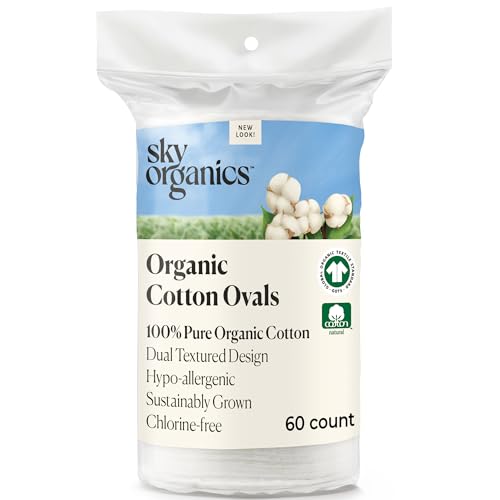
Look for swabs and pads made from organic or unbleached cotton, bamboo, or other natural fibers with minimal processing. The best options skip fragrances, chlorine bleaching, optical brighteners, dyes, and plastic components entirely.
- Certifications like OEKO-TEX® or GOTS are a strong signal that materials and processing meet stricter safety standards.
- Click the button above to shop Welpr Approved cotton swabs and pads.

Camille May
Cofounder & Product Curator
Camille May is the co-creator of Welpr and a guide for clean living. After selling her last company in the health food space, she went non-toxic while working to heal an autoimmune condition....

Olushola M. Awoyemi
Medical Reviewer, PhD
Olushola M. Awoyemi (aka Shola) is a board-certified toxicologist and a research scientist with a PhD in Environmental Toxicology. Shola's long-term ambition is to be recognized as a world-renowned expert in toxicology,...