



Top Pick
Newton Baby
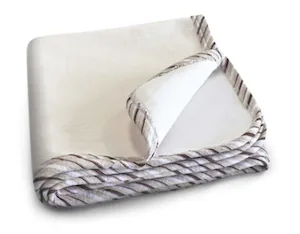
Waterproof Crib Mattress Protector Pad
- Free From
- Formaldehyde Free, Low VOC, Phthalate Free
- Certified
- GREENGUARD
- Highlights
- Money-back guarantee, Waterproof, Breathable, Standard crib
9.6
Performance score
010
Where to buy
- AmazonSee price
Pros
- Breathable enough that air passes through easily, even when a baby's face is pressed against it.
- Fits a standard crib mattress snugly and stays in place.
- Easy to wash and dry; holds up well through multiple laundry cycles.
- Waterproof layer keeps the mattress fully protected from leaks.
- Adds a noticeable layer of cushion without being overly thick or hot.
Cons
- The surface material isn't soft on its own, and adding a fitted sheet over it reduces breathability.
- One person found tiny plastic pieces shedding into the lint trap and onto the pad after the first wash.
- Goes on like a fitted sheet rather than a full zippered encasement, so swapping it out during a middle-of-the-night accident takes seconds instead of wrestling with the whole mattress.
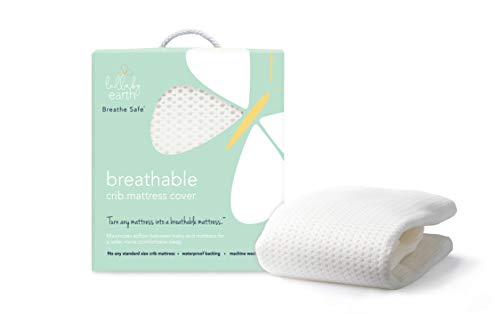
- Two layers of quilted 3-D spacer fabric sit above the waterproof barrier, making it noticeably thicker than most crib mattress pads. That extra loft adds airflow rather than just sitting flat against the mattress surface.
- The waterproof layer uses a TPU (thermoplastic polyurethane) lining instead of vinyl or PVC, which keeps it breathable while still blocking moisture from reaching the mattress core.
- Fits any standard crib mattress, not just Newton's own, so it doubles as a travel option for adding a breathable, waterproof layer to hotel or daycare cribs.
- Among non-toxic crib mattress protectors, this one is designed to add airflow on top of whatever mattress you already have, rather than just sealing it off from liquids.
- Newton's core products use no foam, glue, latex, or springs. The Wovenaire core and covers are fully washable and recyclable, which carries through to how this pad is constructed.
- 100% Polyester