



Top Pick
Newton Baby
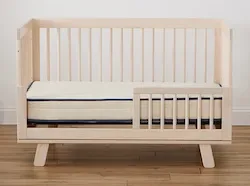
Crib Mattress and Toddler Bed
- Free From
- Formaldehyde Free, Low VOC, Phthalate Free
- Certified
- GREENGUARD
- Highlights
- Made in USA, Hypoallergenic, 2 year warranty, Lifetime warranty, Money-back guarantee, Standard crib, Waterproof
9.7
Performance score
010
Where to buy
- AmazonSee price
Pros
- Truly breathable; multiple people pressed their face into it and could still breathe normally.
- The dual-sided design offers a firm infant side and a softer toddler side, extending the mattress's useful life.
- No chemical smell or off-gassing out of the box.
- Lightweight, making it easy to handle for sheet changes or cleaning.
- The entire mattress core is washable if needed, unlike traditional crib mattresses.
Cons
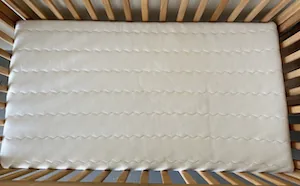
- Fits very snug in standard cribs, which can cause the cover fabric to pucker slightly at the edges.
- The washable core takes a long time to dry, and without a shower wand, rinsing it is impractical for some households.
- One person found that the waterproof cover did not fully prevent liquid from reaching the inner core.
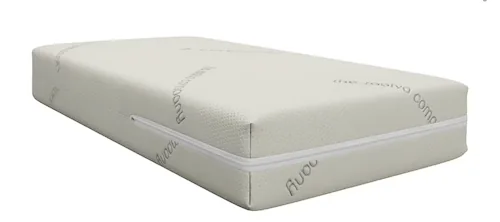
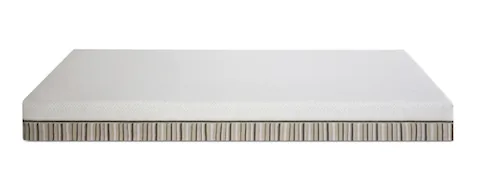
- Instead of foam, springs, or latex, the core is made from Wovenaire, a structure that's 90% air and 10% food-grade polymer. Air flows through the entire mattress, not just around it, which is how Newton claims a baby gets significantly more airflow face-down compared to a conventional waterproof crib mattress.
- It's a 2-stage design meant to last from infancy through the toddler years without flipping. The firmness is consistent on both sides, meeting federal safety standards for infant sleep, while remaining comfortable enough for a growing toddler.
- The waterproof version adds a TPU barrier on the toddler side of the cover only, intended for potty-training stages. The infant side is water-resistant but not fully waterproof, so Newton recommends using the breathable infant side for the first year to keep airflow unobstructed.
- The entire mattress is washable, cover and core. Because there's no foam or glue to trap moisture or harbor allergens, you can take it apart, hose down the core, and machine wash the cover. For parents researching non-toxic crib mattresses, that washability is a practical differentiator, not just a marketing claim.
- The Wovenaire core is made in the U.S. and is recyclable. Newton uses no foam, glue, latex, or springs in any of their mattresses, which also means fewer materials that shed microplastics over time.
- Viscose
- Wovenaire (90% Air + 10% Food-Grade Polymer)