
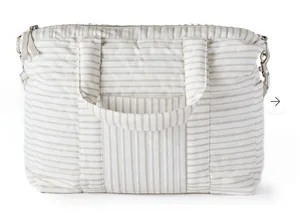
Highlights
Convertible
As an Amazon Associate, we earn from qualifying purchases. Affiliate links do not affect our ratings. Learn more.
We vetted diaper bags against the Welpr Standard and here are our top picks.

Cofounder & Product Curator

Medical Reviewer, PhD
Here's what we look for:

On Welpr, terms like "non-toxic," "safer," "cleaner," "healthier," and "vetted" are editorial labels based on our own standard for product assessment. They are not guarantees, certifications, or medical claims. Learn more.
The 80/20 guide to going non-toxic the easy way.

Eco by Naty
Meets the Welpr Standard
on Amazon

Huhu
Meets the Welpr Standard
on Amazon
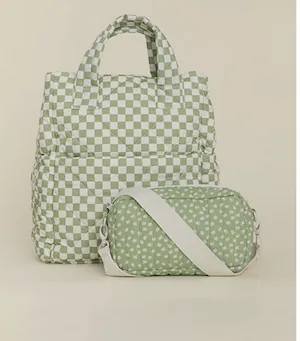
Solly Baby
Meets the Welpr Standard
on Solly Baby
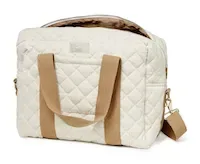
Cam Cam
Meets the Welpr Standard
on Smallable
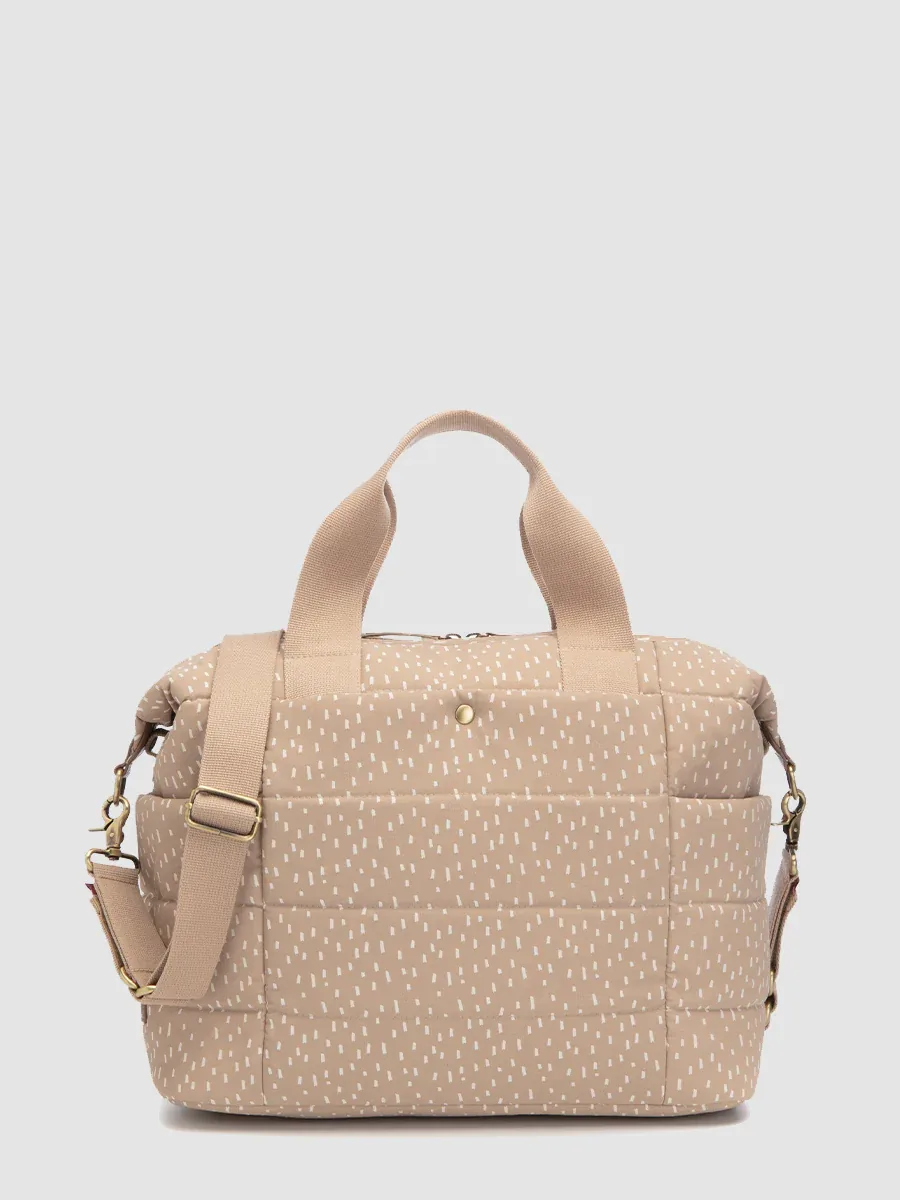
Storksak
Meets the Welpr Standard
on Maisonette
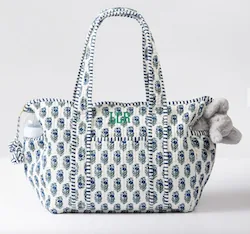
Mark & Graham
Meets the Welpr Standard
on Mark & Graham
Here's how to swap to non-toxic diaper bags:
Diaper bags are carried daily and come into close contact with your baby's bottles, snacks, pacifiers, and clothes. The materials a bag is made from, its lining, and any coatings or treatments can transfer to the items inside — which often end up in your baby's mouth or against their skin.
Check the materials label on your current diaper bag, usually found on an interior tag or seam. Look for what the outer fabric, lining, and any insulated pockets are made from.
If you're not ready to replace your bag right away, a few small changes can reduce contact between the bag's materials and your baby's things. This is especially helpful if your bag has a synthetic or coated lining.
Look for bags made with natural or certified fabrics like organic cotton or linen, with linings that are free from PVC, PFAS, and flame retardants. Brands that clearly list all materials — including what the lining and insulated pockets are made of — are a good sign.
Cofounder & Product Curator
Camille May is the co-creator of Welpr and a guide for clean living. After selling her last company in the health food space, she went non-toxic while working to heal an autoimmune condition....
Medical Reviewer, PhD
Olushola M. Awoyemi (aka Shola) is a board-certified toxicologist and a research scientist with a PhD in Environmental Toxicology. Shola's long-term ambition is to be recognized as a world-renowned expert in toxicology,...