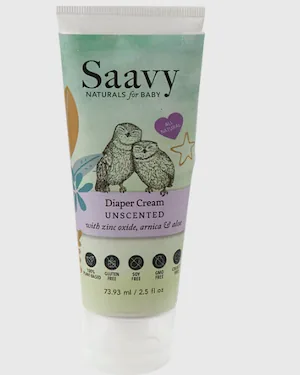


Use link for discountAs an Amazon Associate, we earn from qualifying purchases. Affiliate links do not affect our ratings. Learn more.
Best Non-Toxic Diaper Creams
We vetted diaper creams against the Welpr Standard and here are our top picks.
Here's what we look for:
- Thoughtful formulas using fully natural or safe synthetic ingredients
- No parabens, PEGs, phthalates, harsh sulfates, BHA/BHT, artificial dyes, formaldehyde or formaldehyde releasers, or undisclosed synthetic fragrance (unless certified safe)
- Minimal, necessary preservatives only
- Trusted third-party certifications when available
- Transparent sourcing, ingredients, and manufacturing practices
Best Non-Toxic Diaper Creams
On Welpr, terms like "non-toxic," "safer," "cleaner," "healthier," and "vetted" are editorial labels based on our own standard for product assessment. They are not guarantees, certifications, or medical claims. Learn more.
Welpr Blueprint: Go Non-Toxic Mini-Course
The 80/20 guide to going non-toxic the easy way.
WELPR15How to Swap to Non-Toxic diaper creams:
Here's how to swap to non-toxic diaper creams:
What to know about diaper cream
Diaper cream is applied directly to delicate, often irritated skin in one of the most sensitive areas of your baby's body. It stays on the skin for hours at a time and is typically used multiple times a day, making the ingredients in this product especially worth paying attention to.
- Welpr looks for simple formulas free from synthetic fragrance, parabens, phthalates, PEGs, and artificial dyes.
- Because baby skin is thinner and still developing, it can absorb more of what's applied to it, which is why clean ingredients matter even more here.
Check the creams you already have
Take a look at the diaper creams you currently use. Since this is a product that sits on your baby's skin for extended periods, it's a great one to review first. Use the Welpr Personal Care and Cosmetic Scanner to snap a photo of the ingredient label and see what's flagged.
- Look for "fragrance" or "parfum" on the label — these can contain undisclosed synthetic ingredients that Welpr does not allow.
- If you have multiple creams, start with the one you reach for most often since that's the one with the highest daily exposure.
Use your current diaper cream more mindfully
If you're not ready to replace your current cream right away, small changes can help. Using less product and applying it only when needed rather than at every diaper change can reduce overall exposure.
- Apply a thin, even layer just to the areas that need protection rather than coating the entire diaper area.
- Reserve heavier use for times when skin is already red or irritated, and skip it during changes where skin looks healthy and dry.
Choose a cleaner diaper cream
Look for diaper creams with short, simple ingredient lists built around gentle mineral barriers like zinc oxide or plant-based oils. Unscented formulas are preferred, and full ingredient transparency is a must.
- Avoid products with synthetic fragrance, parabens, phthalates, PEGs, petroleum-based ingredients, or artificial dyes — and be cautious of vague terms like "proprietary blend" that hide what's inside.
- Click the button above to shop Welpr Approved diaper creams.

Camille May
Cofounder & Product Curator
Camille May is the co-creator of Welpr and a guide for clean living. After selling her last company in the health food space, she went non-toxic while working to heal an autoimmune condition....

Olushola M. Awoyemi
Medical Reviewer, PhD
Olushola M. Awoyemi (aka Shola) is a board-certified toxicologist and a research scientist with a PhD in Environmental Toxicology. Shola's long-term ambition is to be recognized as a world-renowned expert in toxicology,...