
Certifications
Free From
Highlights
Vegan
Cruelty-free
Made in Canada
EU safety standards
Hypoallergenic
Fragrance-free
Recyclable packaging
Disposable
Newborn
Overnight protection
As an Amazon Associate, we earn from qualifying purchases. Affiliate links do not affect our ratings. Learn more.
We vetted diapers against the Welpr Standard and here are our top picks.

Cofounder & Product Curator

Medical Reviewer, PhD
Here's what we look for:

On Welpr, terms like "non-toxic," "safer," "cleaner," "healthier," and "vetted" are editorial labels based on our own standard for product assessment. They are not guarantees, certifications, or medical claims. Learn more.
The 80/20 guide to going non-toxic the easy way.

Terra Organics
Meets the Welpr Standard
on Amazon
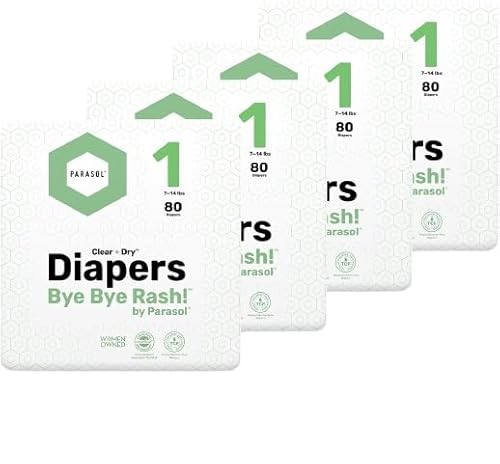
Parasol
Meets the Welpr Standard
on Amazon
Kudos
Meets the Welpr Standard
WELPRon Kudos

Joonya
Meets the Welpr Standard
on Amazon

Freestyle
Meets the Welpr Standard
on Amazon

Eco by Naty
Meets the Welpr Standard
on Amazon

Ecoriginals
Meets the Welpr Standard
on Amazon
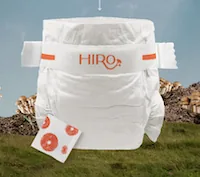
HIRO
Meets the Welpr Standard
WELPRon HIRO
Here's how to swap to non-toxic diapers:
Diapers sit directly against your baby's skin for hours at a time, every single day. That combination of constant contact, sensitive skin, and a warm, moist environment makes the materials in diapers worth paying attention to. Welpr looks at whether diapers are free from chlorine, synthetic fragrance, dyes, and PFAS.
Look at the packaging or the brand's website for a full materials list. Welpr only recommends diapers from brands that are transparent about what's in their product. If a brand doesn't disclose materials, that's a reason to look closer.
If you're not ready to switch diapers right away, a few small habits can help reduce irritation and contact concerns. Frequent changes and good skin care between diapers make a real difference.
Look for diapers that are free from chlorine, synthetic fragrance, dyes, and PFAS. The best options use plant-based or unbleached materials and are backed by third-party testing or certifications.
Cofounder & Product Curator
Camille May is the co-creator of Welpr and a guide for clean living. After selling her last company in the health food space, she went non-toxic while working to heal an autoimmune condition....
Medical Reviewer, PhD
Olushola M. Awoyemi (aka Shola) is a board-certified toxicologist and a research scientist with a PhD in Environmental Toxicology. Shola's long-term ambition is to be recognized as a world-renowned expert in toxicology,...