

As an Amazon Associate, we earn from qualifying purchases. Affiliate links do not affect our ratings. Learn more.
Best Non-Toxic Dish Sponges
We vetted dish sponges against the Welpr Standard and here are our top picks.
Welpr Approved cleaning products are always free from:
- Harsh disinfectants and irritants: bleach, ammonia, sulfates, and quats
- Endocrine disruptors and preservatives: phthalates, parabens, BHA/BHT, triclosan
- Unnecessary additives: optical brighteners, artificial dyes, and synthetic fragrance (unless certified safe)
- Undisclosed or hidden ingredients
Best Non-Toxic Dish Sponges
On Welpr, terms like "non-toxic," "safer," "cleaner," "healthier," and "vetted" are editorial labels based on our own standard for product assessment. They are not guarantees, certifications, or medical claims. Learn more.
Welpr Blueprint: Go Non-Toxic Mini-Course
The 80/20 guide to going non-toxic the easy way.
Use link for discountHow to Swap to Non-Toxic dish sponges:
Here's how to swap to non-toxic dish sponges:
What to know about dish sponges
Dish sponges are something most people use every day, often with bare hands and in contact with surfaces where food is prepared and eaten. That frequent skin contact and proximity to dishes and utensils make the materials and any added treatments worth paying attention to.
- Many conventional sponges are made from synthetic foam and may be treated with dyes, fragrances, and antimicrobial coatings that can transfer to your hands and dishes.
- Welpr looks for sponges made from simple, natural materials — free from triclosan, fragrances, optical brighteners, and undisclosed treatments.
Check the sponges you already have
Take a look at the sponges by your sink right now. Check the packaging or product listing for any mention of added scents, antimicrobial treatments, or dyes. Welpr does not have a scanner for this category, so a quick label review is your best tool.
- If the packaging says "odor-resistant," "antimicrobial," or "fresh scent," the sponge likely has chemical treatments worth questioning.
- Brightly colored sponges with a strong smell out of the package are more likely to contain synthetic dyes and fragrances.
Get more out of your current sponges safely
If you are not ready to replace your sponges right away, a couple of small habits can reduce what transfers to your hands and dishes while you use up what you have.
- Rinse a new sponge thoroughly under warm water before using it for the first time to help wash away loose surface treatments.
- Replace sponges regularly — worn-down sponges can break apart and leave material residue on dishes.
Choose cleaner replacements
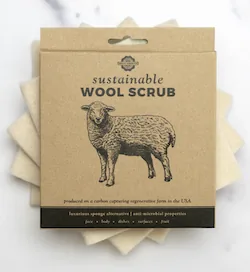
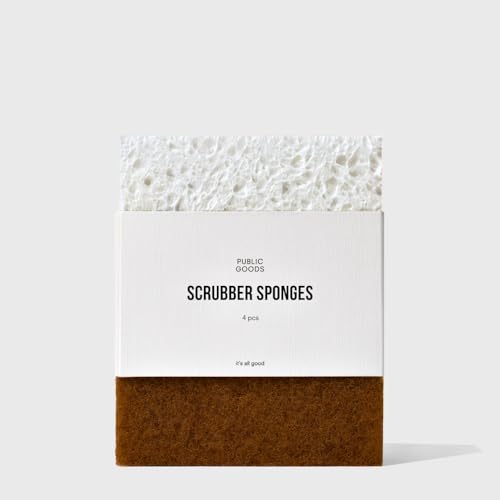
Look for sponges made from natural or plant-based materials like cellulose, coconut fiber, or walnut shell. The best options are most often unscented, undyed, and free from antimicrobial coatings or synthetic treatments.
- Skip sponges labeled with vague claims like "eco-friendly" or "natural" unless the brand clearly lists what the sponge is made of and how it is treated — transparency matters.
- Click the button above to shop Welpr Approved dish sponges.

Camille May
Cofounder & Product Curator
Camille May is the co-creator of Welpr and a guide for clean living. After selling her last company in the health food space, she went non-toxic while working to heal an autoimmune condition....

Olushola M. Awoyemi
Medical Reviewer, PhD
Olushola M. Awoyemi (aka Shola) is a board-certified toxicologist and a research scientist with a PhD in Environmental Toxicology. Shola's long-term ambition is to be recognized as a world-renowned expert in toxicology,...