

As an Amazon Associate, we earn from qualifying purchases. Affiliate links do not affect our ratings. Learn more.
Best Non-Toxic Dog Food
We vetted dog food against the Welpr Standard and here are our top picks.
Here's what we look for:
- Simple, real-food ingredient lists with recognizable, human-grade foods you can actually pronounce
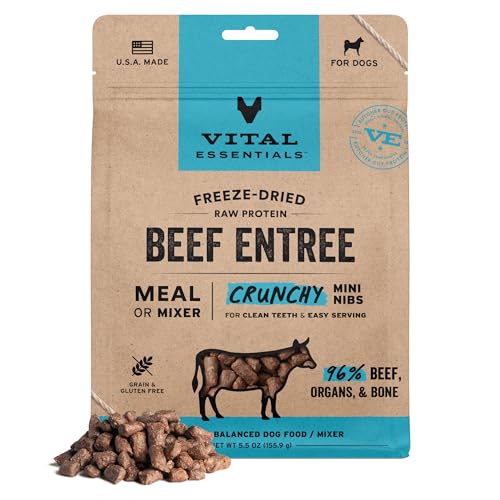
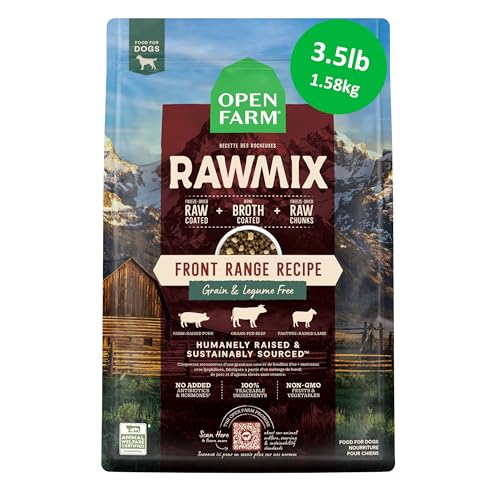
- Minimal processing methods like raw, air-dried, or freeze-dried to preserve nutrients
- Only safe, food-grade preservatives (like rosemary extract or mixed tocopherols) in minimal amounts
- Always free from artificial flavors, dyes, and sweeteners, with legume- and grain-free options whenever possible
- Thoughtful sourcing, with non-GMO, organic, pasture-raised, or grass-fed ingredients, and certifications like Clean Label Project when available
Best Non-Toxic Dog Food
On Welpr, terms like "non-toxic," "safer," "cleaner," "healthier," and "vetted" are editorial labels based on our own standard for product assessment. They are not guarantees, certifications, or medical claims. Learn more.
Welpr Blueprint: Go Non-Toxic Mini-Course
The 80/20 guide to going non-toxic the easy way.
WELPRHow to Swap to Non-Toxic dog food:
Here's how to swap to non-toxic dog food:
What to know about dog food
What goes into your dog's food matters just as much as what goes into yours. Welpr looks at the ingredient list, how the food is processed, and where ingredients are sourced. Since dogs eat the same food every single day, the quality of that food adds up over time.
- Dogs eating the same formula daily means even small differences in ingredient quality have a big cumulative impact.
- Welpr prioritizes real, recognizable ingredients, minimal processing, and clean sourcing — the same standards applied to human food.
Review what you're currently feeding
Check the ingredient list on your dog's food bag or can. Look for simple, recognizable whole foods near the top of the list and scan for additives further down.
- Watch for artificial flavors, sweeteners, or chemical-sounding preservatives — these are signs the formula may not meet Welpr's standards.
- Check whether legumes like peas, lentils, or soy appear high on the ingredient list, as these are linked to digestive issues and heart concerns in dogs.
Make the most of what you have now
If you're not ready to switch foods right away, you can still make small improvements. Finishing your current bag while planning a transition is a practical approach.
- When transitioning to a new food, mix a small amount of the new food into the current one and gradually increase the ratio over 7–10 days to avoid digestive upset.
- If your current food contains artificial additives, consider adding a small topper of real whole foods like plain cooked meat or vegetables to boost nutrition in the meantime.
Choose a cleaner dog food
Look for dog food made with real, whole-food ingredients that you can actually recognize. Minimally processed formats like raw, air-dried, or freeze-dried tend to preserve more nutrients than heavily processed kibble.
- Prioritize foods with safe preservatives like rosemary extract or mixed tocopherols, non-GMO or organic sourcing, and certifications like Clean Label Project when available.
- Click the button above to shop Welpr Approved dog food.

Camille May
Cofounder & Product Curator
Camille May is the co-creator of Welpr and a guide for clean living. After selling her last company in the health food space, she went non-toxic while working to heal an autoimmune condition....

Olushola M. Awoyemi
Medical Reviewer, PhD
Olushola M. Awoyemi (aka Shola) is a board-certified toxicologist and a research scientist with a PhD in Environmental Toxicology. Shola's long-term ambition is to be recognized as a world-renowned expert in toxicology,...