

Earthworm
Septic System & Cesspool Treatment
Est. Price$59.94
8.8
Performance
Ingredient Safety
Meets the Welpr Standard
Buy Now
on Amazon
Certifications
Free From
Highlights
Cruelty-free
Made in USA
Recyclable packaging
Enzymatic
Septic safe
Powder
As an Amazon Associate, we earn from qualifying purchases. Affiliate links do not affect our ratings. Learn more.
We vetted drain cleaners against the Welpr Standard and here are our top picks.

Cofounder & Product Curator

Medical Reviewer, PhD
Here's what we look for:

On Welpr, terms like "non-toxic," "safer," "cleaner," "healthier," and "vetted" are editorial labels based on our own standard for product assessment. They are not guarantees, certifications, or medical claims. Learn more.
Earthworm
Meets the Welpr Standard
on Amazon
The 80/20 guide to going non-toxic the easy way.

Mighty Mint
Meets the Welpr Standard
on Amazon

Drainbo
Meets the Welpr Standard
on Amazon
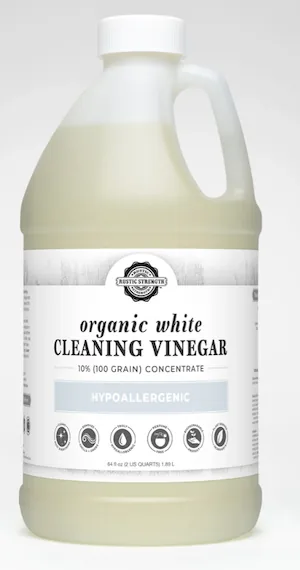
Rustic Strength
Meets the Welpr Standard
Use link for discounton Rustic Strength
Here's how to swap to non-toxic drain cleaners:
Most conventional drain cleaners rely on harsh chemicals like bleach, ammonia, or strong sulfates to dissolve clogs. These formulas can release fumes in small, enclosed spaces like bathrooms and kitchens, where you're breathing in close proximity. Welpr looks for drain cleaners with transparent, non-toxic formulas that skip these harsh ingredients.
Look at the label on your current drain cleaner. Welpr prioritizes products that fully disclose their ingredients — no vague terms like "proprietary blend" or unlisted preservatives. If the label is hard to read or ingredients aren't listed, that's worth noting.
If you're not ready to replace your drain cleaner right away, small changes in how you use it can reduce what you breathe in. This is especially important since drain cleaners are typically used in tight, poorly ventilated spaces.
Look for enzyme-based or plant-based drain cleaners with fully transparent ingredient lists. Welpr favors fragrance-free formulas from brands that disclose everything on the label and avoid harsh chemicals.
Cofounder & Product Curator
Camille May is the co-creator of Welpr and a guide for clean living. After selling her last company in the health food space, she went non-toxic while working to heal an autoimmune condition....
Medical Reviewer, PhD
Olushola M. Awoyemi (aka Shola) is a board-certified toxicologist and a research scientist with a PhD in Environmental Toxicology. Shola's long-term ambition is to be recognized as a world-renowned expert in toxicology,...