

As an Amazon Associate, we earn from qualifying purchases. Affiliate links do not affect our ratings. Learn more.
Best Non-Toxic Dry Brushes
We vetted dry brushes against the Welpr Standard and here are our top picks.
Here's what we look for:
- Bristles made from natural fibers like boar, horsehair, sisal, or vegetable fibers
- Solid wood or bamboo handles
- Sustainably sourced, FSC-certified materials whenever possible
- Brands that are transparent about sourcing, materials, and ethical practices
Best Non-Toxic Dry Brushes
On Welpr, terms like "non-toxic," "safer," "cleaner," "healthier," and "vetted" are editorial labels based on our own standard for product assessment. They are not guarantees, certifications, or medical claims. Learn more.
Welpr Blueprint: Go Non-Toxic Mini-Course
The 80/20 guide to going non-toxic the easy way.
WELPR15WELPR15WELPRHow to Swap to Non-Toxic dry brushes:
Here's how to swap to non-toxic dry brushes:
What to know about dry brushes
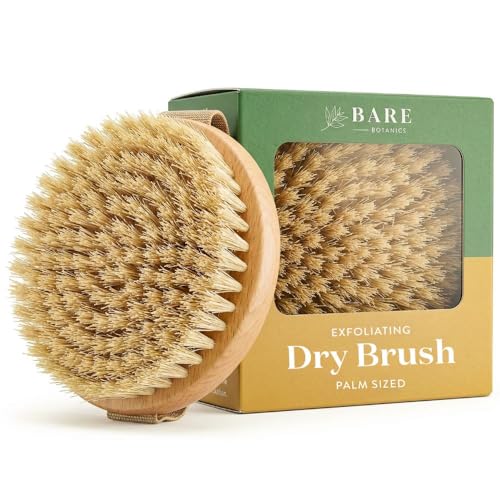
Dry brushing involves sweeping a bristle brush across your skin before showering. Because it covers large areas of bare skin and is used regularly, the materials the brush is made from matter. Welpr focuses on the bristles, handle, and any coatings or treatments applied to the brush.
- Natural bristles (like sisal, jute, or boar hair) are the standard for dry brushes, but some use synthetic bristles that may be treated with coatings or finishes.
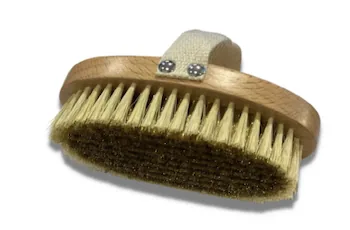
- Handles and bases can be made from untreated wood, bamboo, or plastic — and some are sealed with varnishes or adhesives worth noting.
Check the brush you already have
Look at your current dry brush to see what it's made of. Check the packaging, product listing, or brand website for details on bristle type, handle material, and any finishes or adhesives used.
- Look for terms like "natural bristles," "untreated wood," or "plant-based" — and watch for vague descriptions that don't specify materials.
- If the brush has a strong chemical or plastic smell out of the box, that can be a sign of synthetic coatings or adhesives.
Use your current dry brush more safely
If you're not ready to replace your brush yet, a few simple habits can help. These are especially worth trying if you're unsure about the materials in your current brush.
- Wash new brushes with warm water and a mild soap before first use to help remove surface residues from manufacturing.
- Avoid dry brushing over broken, irritated, or freshly shaved skin, since direct contact on compromised skin increases what your body absorbs.
Choose a cleaner dry brush
Look for brushes made with natural, untreated materials throughout — bristles, handle, and base. Simple construction with minimal adhesives and no synthetic coatings is a good sign.
- Prioritize brushes with natural plant-based bristles (like sisal or jute) and untreated wood or bamboo handles with no varnish.
- Click the button above to shop Welpr Approved dry brushes.

Camille May
Cofounder & Product Curator
Camille May is the co-creator of Welpr and a guide for clean living. After selling her last company in the health food space, she went non-toxic while working to heal an autoimmune condition....

Olushola M. Awoyemi
Medical Reviewer, PhD
Olushola M. Awoyemi (aka Shola) is a board-certified toxicologist and a research scientist with a PhD in Environmental Toxicology. Shola's long-term ambition is to be recognized as a world-renowned expert in toxicology,...