Rough Linen
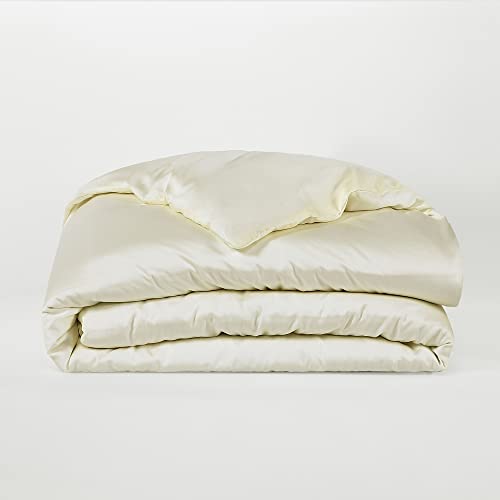
St. Barts Linen Duvet Cover
Est. Price$334
9.0
Performance
Ingredient Safety
Meets the Welpr Standard
Buy Now
on Rough Linen
Free From
Highlights
Twin
Linen
Zipper closure
As an Amazon Associate, we earn from qualifying purchases. Affiliate links do not affect our ratings. Learn more.
We vetted duvet covers against the Welpr Standard and here are our top picks.

Cofounder & Product Curator

Medical Reviewer, PhD
Here's what we look for:

On Welpr, terms like "non-toxic," "safer," "cleaner," "healthier," and "vetted" are editorial labels based on our own standard for product assessment. They are not guarantees, certifications, or medical claims. Learn more.
Rough Linen
Meets the Welpr Standard
on Rough Linen
The 80/20 guide to going non-toxic the easy way.

California Design Den
Meets the Welpr Standard
on Amazon

Delilah Home
Meets the Welpr Standard
WELPRon Amazon
Aizome
Meets the Welpr Standard
on Amazon

Whisper Organics
Meets the Welpr Standard
on Amazon
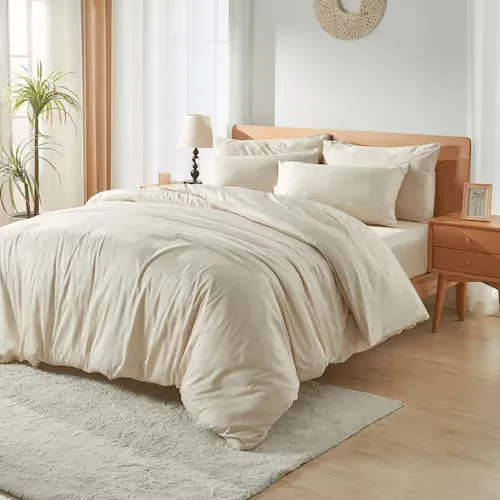
Sijo
Meets the Welpr Standard
on Sijo
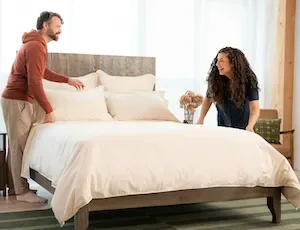
Naturepedic
Meets the Welpr Standard
on Naturepedic
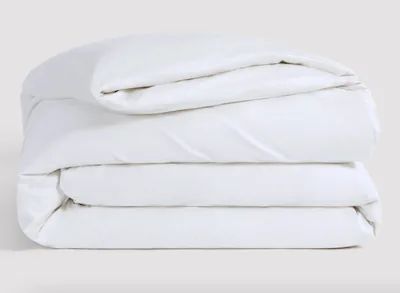
Verlee Home
Meets the Welpr Standard
on Verlee Home
Verlee Home
Meets the Welpr Standard
on Verlee Home
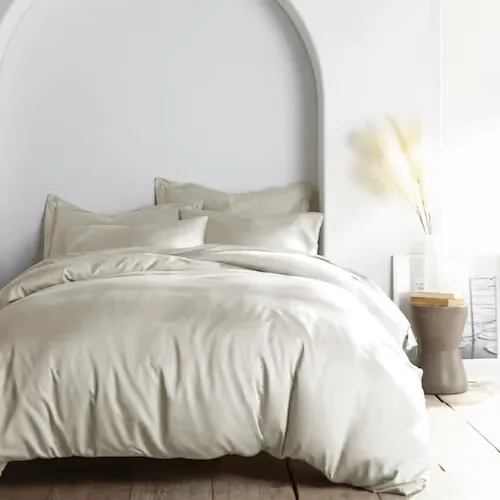
Eco Terra
Meets the Welpr Standard
on Eco Terra
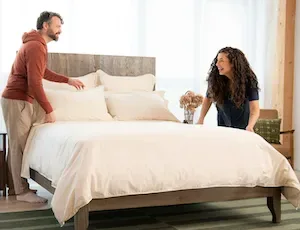
Naturepedic
Meets the Welpr Standard
on Naturepedic
Green Cradle
Meets the Welpr Standard
on Green Cradle
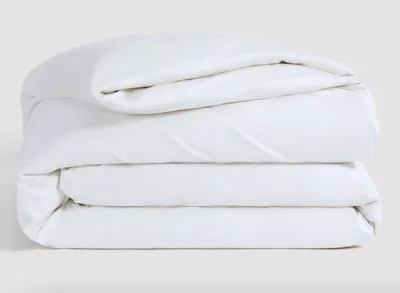
Verlee Home
Meets the Welpr Standard
on Verlee Home

The Futon Shop
Meets the Welpr Standard
on The Futon Shop
Here's how to swap to non-toxic duvet covers:
Your duvet cover is one of the closest fabrics to your skin for hours every night. Because of that prolonged, full-body contact, the material it's made from and how it's finished really matters.
Look at the care label or product listing for your current duvet cover. The fiber content and any finish claims will tell you a lot about what you're sleeping in.
If replacing your duvet cover right away isn't practical, a few simple steps can help reduce exposure from the one you have now.
Look for duvet covers made from organic cotton, linen, hemp, or silk. These natural fibers are breathable, durable, and free from the synthetic coatings found on conventional options.
Cofounder & Product Curator
Camille May is the co-creator of Welpr and a guide for clean living. After selling her last company in the health food space, she went non-toxic while working to heal an autoimmune condition....
Medical Reviewer, PhD
Olushola M. Awoyemi (aka Shola) is a board-certified toxicologist and a research scientist with a PhD in Environmental Toxicology. Shola's long-term ambition is to be recognized as a world-renowned expert in toxicology,...