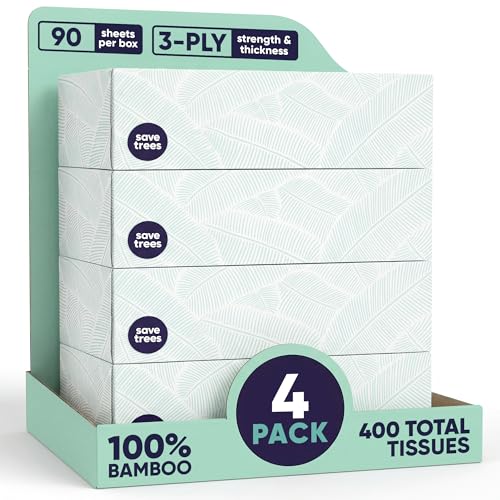

Who Gives A Crap
Bamboo Tissues
Est. Price$34.99
9.4
Performance
Ingredient Safety
Meets the Welpr Standard
Buy Now
on Amazon
Certifications
Free From
Highlights
Hypoallergenic
Fragrance-free
Money-back guarantee
3-ply
Cube size
As an Amazon Associate, we earn from qualifying purchases. Affiliate links do not affect our ratings. Learn more.
We vetted facial tissues against the Welpr Standard and here are our top picks.

Cofounder & Product Curator

Medical Reviewer, PhD
Here's what we look for:

On Welpr, terms like "non-toxic," "safer," "cleaner," "healthier," and "vetted" are editorial labels based on our own standard for product assessment. They are not guarantees, certifications, or medical claims. Learn more.
Who Gives A Crap
Meets the Welpr Standard
on Amazon
The 80/20 guide to going non-toxic the easy way.

Terre
Meets the Welpr Standard
on Amazon

Caboo
Meets the Welpr Standard
on Amazon

PALM NAKI
Meets the Welpr Standard
on Amazon
Here's how to swap to non-toxic facial tissues:
Facial tissues touch some of the most sensitive skin on your body — your nose, eyes, and mouth — often many times a day, especially during cold and allergy season. Welpr looks at what tissues are made of and how they're processed, because even disposable products can leave behind residues from bleaching, fragrances, or chemical coatings.
Check the packaging of your current facial tissues for clues about what's in them. Look for mentions of added fragrance, lotion, dyes, or claims like "ultra soft" that may signal chemical softeners or coatings.
If you're not ready to switch yet, a few small adjustments can reduce unnecessary exposure, especially for anyone with sensitive or irritated skin.
Look for facial tissues made from natural fibers like bamboo or organic cotton, ideally unbleached and free from fragrance, dyes, chlorine bleaching, and chemical softeners. Simple, minimally processed tissues perform just as well without the extras.
Cofounder & Product Curator
Camille May is the co-creator of Welpr and a guide for clean living. After selling her last company in the health food space, she went non-toxic while working to heal an autoimmune condition....
Medical Reviewer, PhD
Olushola M. Awoyemi (aka Shola) is a board-certified toxicologist and a research scientist with a PhD in Environmental Toxicology. Shola's long-term ambition is to be recognized as a world-renowned expert in toxicology,...