

As an Amazon Associate, we earn from qualifying purchases. Affiliate links do not affect our ratings. Learn more.
The Best Non-Toxic Food Processors
We vetted food processors against the Welpr Standard and here are our top picks.
Here's what we look for:
- Materials like stainless steel, glass, and ceramic
- 100% PFAS-free nonstick coatings, with ceramic tested for heavy metals
- Aluminum only if it’s hard anodized, ceramic-coated, or safely encased in stainless
- No plastic in contact with food (but we avoid it wherever possible)
- Transparent brands that disclose all materials
The Best Non-Toxic Food Processors
On Welpr, terms like "non-toxic," "safer," "cleaner," "healthier," and "vetted" are editorial labels based on our own standard for product assessment. They are not guarantees, certifications, or medical claims. Learn more.
Welpr Blueprint: Go Non-Toxic Mini-Course
The 80/20 guide to going non-toxic the easy way.
How to Swap to Non-Toxic food processors:
Here's how to swap to non-toxic food processors:
What to know about food processors
Food processors chop, blend, and mix ingredients you eat, so the materials inside matter. Welpr focuses on what the bowl, blades, and lid are made of, since these parts directly touch your food during processing.
- The bowl is the biggest concern — many food processors use plastic bowls that come into repeated contact with food, sometimes during high-speed processing that generates friction and heat.
- Blades are typically stainless steel, which is a safe, non-reactive material, but the bowl, lid, and feed tube vary widely between models.
Review what you already have
Check the materials of your food processor's bowl, lid, and any parts that touch food. Look at the product manual, box, or manufacturer's website for material details.
- If your bowl is plastic, check whether it's labeled BPA-free — and note whether it shows scratches, cloudiness, or wear, which can increase what leaches into food.
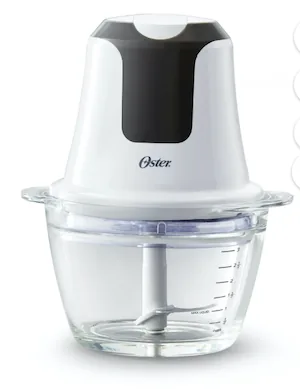
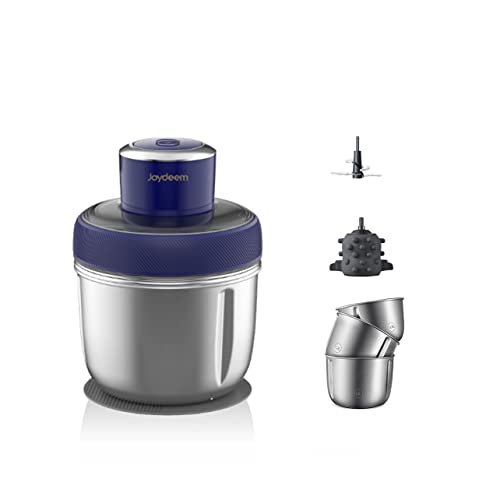
- Glass or stainless steel bowls are the gold standard; if your processor already has one, you're in good shape.
Use your current food processor more safely
If your food processor has a plastic bowl, small changes in how you use it can reduce what transfers into your food. Replacing a food processor isn't always practical right away, so these steps can help in the meantime.
- Avoid processing hot liquids or warm ingredients in a plastic bowl — let food cool first, since heat increases the chance of chemicals migrating from plastic.
- Replace the bowl if it's heavily scratched or discolored, as worn plastic is more likely to leach; replacement bowls are often available separately.
Choose a cleaner replacement
Look for food processors with stainless steel or glass bowls and stainless steel blades. These non-reactive materials won't leach into your food, even during extended processing.
- If a model uses plastic for the lid or feed tube, that's less of a concern than the bowl — just make sure it's BPA-free and that the main food-contact surfaces are stainless steel or glass.
- Click the button above to shop Welpr Approved food processors.

Camille May
Cofounder & Product Curator
Camille May is the co-creator of Welpr and a guide for clean living. After selling her last company in the health food space, she went non-toxic while working to heal an autoimmune condition....

Olushola M. Awoyemi
Medical Reviewer, PhD
Olushola M. Awoyemi (aka Shola) is a board-certified toxicologist and a research scientist with a PhD in Environmental Toxicology. Shola's long-term ambition is to be recognized as a world-renowned expert in toxicology,...