

As an Amazon Associate, we earn from qualifying purchases. Affiliate links do not affect our ratings. Learn more.
Best Non-Toxic Griddles
We vetted griddles against the Welpr Standard and here are our top picks.
Here's what we look for:
- Materials like stainless steel, cast iron, ceramic, and copper
- 100% PFAS-free nonstick coatings, with ceramic tested for heavy metals
- Aluminum only if itβs hard anodized, ceramic-coated, or safely encased in stainless
- No plastic in contact with food (but we avoid it wherever possible)
- Full material transparency from brands we trust
Best Non-Toxic Griddles
On Welpr, terms like "non-toxic," "safer," "cleaner," "healthier," and "vetted" are editorial labels based on our own standard for product assessment. They are not guarantees, certifications, or medical claims. Learn more.
Welpr Blueprint: Go Non-Toxic Mini-Course
The 80/20 guide to going non-toxic the easy way.

WELPRHow to Swap to Non-Toxic griddles:
Here's how to swap to non-toxic griddles:
What to know about griddles
The cooking surface of a griddle sits directly against your food at high heat, which means the material it's made of really matters. Welpr focuses on what that surface is made from β whether it's cast iron, stainless steel, ceramic-coated, or a nonstick coating β because some materials can release chemicals into your food during cooking.
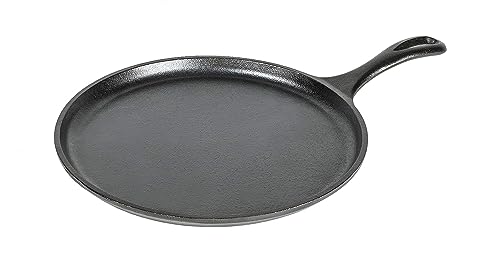
- Griddles made from cast iron, stainless steel, or hard anodized aluminum are among the safest options because they're durable and non-reactive at high heat.
- Nonstick griddles deserve extra attention since many coatings contain PFAS, a large family of synthetic chemicals used to make surfaces slick.
Check the griddle you already use
Look at the cooking surface of your current griddle to figure out what it's made of. Check the product packaging, the manufacturer's website, or any paperwork that came with it. The goal is to identify the material that actually touches your food.
- If your griddle is labeled "nonstick," look for specifics β terms like "PFAS-free" and "PTFE-free" together are a good sign, but "PTFE-free" alone doesn't mean it's free of all PFAS chemicals.
- If your griddle is cast iron or stainless steel with no coating, you're already in great shape β these materials are naturally non-reactive.
Use your current griddle more safely
If you're not ready to replace your griddle right away, a few small habits can help reduce what transfers from the cooking surface to your food. This is especially useful if you have a nonstick griddle you'd like to keep using for now.
- Cook on medium or lower heat whenever possible β higher temperatures can cause nonstick coatings to break down faster and release more into your food.
- If the cooking surface is scratched, chipped, or flaking, it's time to retire it since damaged coatings are more likely to end up in your meals.
Choose a cleaner replacement
When you're ready for a new griddle, focus on the cooking surface material. Cast iron and stainless steel are top choices because they're naturally nonstick when used properly and don't rely on chemical coatings. If you prefer a nonstick option, look for ceramic-coated griddles that are tested free of lead, cadmium, and all PFAS.
- Avoid griddles with plastic parts that touch the cooking surface, and look for handles made from stainless steel, wood, or silicone instead.
- Click the button above to shop Welpr Approved griddles.

Camille May
Cofounder & Product Curator
Camille May is the co-creator of Welpr and a guide for clean living. After selling her last company in the health food space, she went non-toxic while working to heal an autoimmune condition....

Olushola M. Awoyemi
Medical Reviewer, PhD
Olushola M. Awoyemi (aka Shola) is a board-certified toxicologist and a research scientist with a PhD in Environmental Toxicology. Shola's long-term ambition is to be recognized as a world-renowned expert in toxicology,...