

Certifications
Free From
Highlights
Vegan
Cruelty-free
Made in USA
Hypoallergenic
No synthetic fragrance
Treatment oil
For Dry hair
Lightweight
As an Amazon Associate, we earn from qualifying purchases. Affiliate links do not affect our ratings. Learn more.
We vetted hair oils against the Welpr Standard and here are our top picks.

Cofounder & Product Curator

Medical Reviewer, PhD
Here's what we look for:

On Welpr, terms like "non-toxic," "safer," "cleaner," "healthier," and "vetted" are editorial labels based on our own standard for product assessment. They are not guarantees, certifications, or medical claims. Learn more.
The 80/20 guide to going non-toxic the easy way.

Clary Collection
Meets the Welpr Standard
on Amazon

NOTO Botanics
Meets the Welpr Standard
on Amazon

Living Libations
Meets the Welpr Standard
on Amazon

Acure
Meets the Welpr Standard
on Amazon
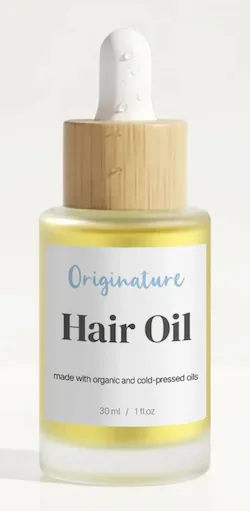
Originature
Meets the Welpr Standard
WELPR15on Originature

Pretty Farm Girl
Meets the Welpr Standard
on Amazon

Butter Me Up Organics
Meets the Welpr Standard
on Amazon
Here's how to swap to non-toxic hair oils:
Hair oil is applied directly to your scalp and hair, often daily or multiple times a week. Because it sits on your skin without being rinsed off, what it's made of is worth a close look.
Check your current hair oil using the Welpr Personal Care and Cosmetic Scanner. It reads your ingredient label and flags anything that doesn't meet Welpr's standards.
If you're not ready to replace your hair oil right away, small adjustments in how you use it can make a difference. Reducing how much you apply and where you apply it helps limit what your skin absorbs.
Look for hair oils with simple, recognizable formulas built around plant-based oils. The best options skip synthetic fragrance, harsh preservatives, and unnecessary additives.
Cofounder & Product Curator
Camille May is the co-creator of Welpr and a guide for clean living. After selling her last company in the health food space, she went non-toxic while working to heal an autoimmune condition....
Medical Reviewer, PhD
Olushola M. Awoyemi (aka Shola) is a board-certified toxicologist and a research scientist with a PhD in Environmental Toxicology. Shola's long-term ambition is to be recognized as a world-renowned expert in toxicology,...
