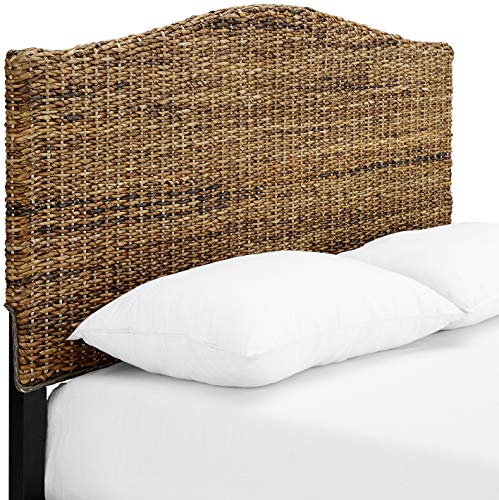
Crosley Furniture
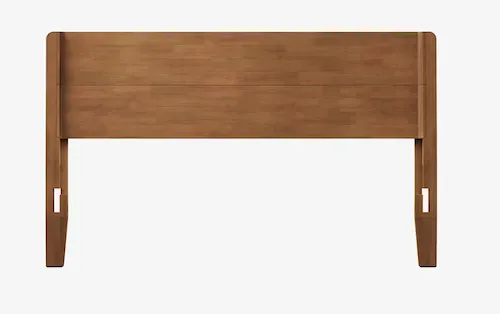
Serena Handwoven Natural Fiber Rattan Bed Headboard
Est. Price$267.26
8.8
Performance
Ingredient Safety
Meets the Welpr Standard
Buy Now
on Amazon
Highlights
0.25 year warranty
Panel style
Queen size
Bed frame attached
As an Amazon Associate, we earn from qualifying purchases. Affiliate links do not affect our ratings. Learn more.
We vetted headboards against the Welpr Standard and here are our top picks.
Cofounder & Product Curator

Medical Reviewer, PhD
Here's what we look for:

On Welpr, terms like "non-toxic," "safer," "cleaner," "healthier," and "vetted" are editorial labels based on our own standard for product assessment. They are not guarantees, certifications, or medical claims. Learn more.
Crosley Furniture
Meets the Welpr Standard
on Amazon
The 80/20 guide to going non-toxic the easy way.
The Citizenry
Meets the Welpr Standard
on The Citizenry
Thuma
Meets the Welpr Standard
on Thuma

The Citizenry
Meets the Welpr Standard
on The Citizenry

The Citizenry
Meets the Welpr Standard
on The Citizenry
Here's how to swap to non-toxic headboards:
Headboards sit right next to your face for hours every night, making their materials especially worth paying attention to. Welpr focuses on what the headboard is made of — the wood, finishes, upholstery, and foam — because these materials can release volatile organic compounds (VOCs) into the air you breathe while you sleep.
Check what your current headboard is made of by looking at product tags, the original listing, or the manufacturer's website. Focus on the core material, the finish, and — if it's upholstered — the fabric and foam inside.
Replacing a headboard isn't always practical right away. A few simple changes can help lower what you're breathing in while you sleep.
When you're ready to upgrade, look for a headboard made from solid wood with low- or zero-VOC finishes. If you prefer an upholstered style, choose one with natural fabrics and certified clean foam.
Cofounder & Product Curator
Camille May is the co-creator of Welpr and a guide for clean living. After selling her last company in the health food space, she went non-toxic while working to heal an autoimmune condition....
Medical Reviewer, PhD
Olushola M. Awoyemi (aka Shola) is a board-certified toxicologist and a research scientist with a PhD in Environmental Toxicology. Shola's long-term ambition is to be recognized as a world-renowned expert in toxicology,...