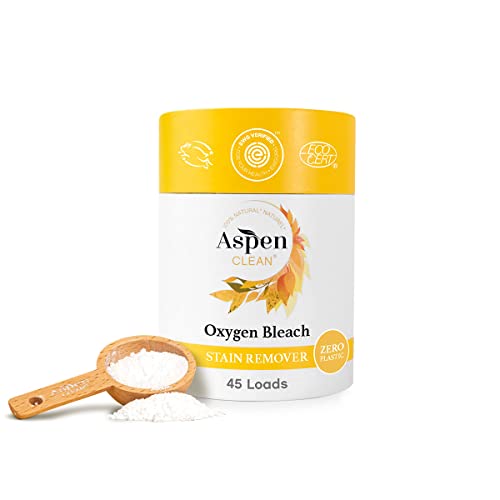

The Clean People
Natural Oxygen Brightener Stain Remover
Est. Price$26
8.8
Performance
Ingredient Safety
Meets the Welpr Standard
Buy Now
on Amazon
Free From
Highlights
Vegan
Cruelty-free
Oxygen-based
Pre-treat stains
As an Amazon Associate, we earn from qualifying purchases. Affiliate links do not affect our ratings. Learn more.
We vetted laundry stain removers against the Welpr Standard and here are our top picks.

Cofounder & Product Curator

Medical Reviewer, PhD
Here's what we look for:

On Welpr, terms like "non-toxic," "safer," "cleaner," "healthier," and "vetted" are editorial labels based on our own standard for product assessment. They are not guarantees, certifications, or medical claims. Learn more.
The Clean People
Meets the Welpr Standard
on Amazon
The 80/20 guide to going non-toxic the easy way.

Meliora Cleaning Products
Meets the Welpr Standard
on Amazon
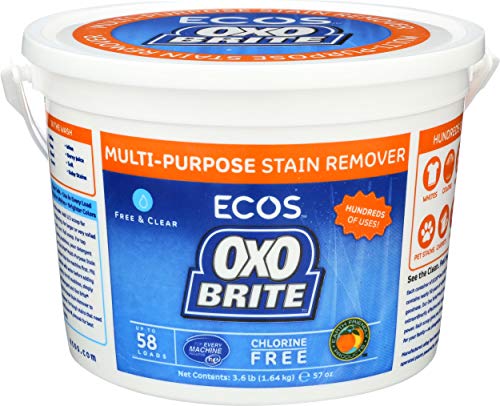
ECOS
Meets the Welpr Standard
on Amazon

Truly Free
Meets the Welpr Standard
on Amazon

Truly Free
Meets the Welpr Standard
on Amazon

Mighty Mint
Meets the Welpr Standard
on Amazon
Rustic Strength
Meets the Welpr Standard
Use link for discounton Rustic Strength
Here's how to swap to non-toxic laundry stain removers:
Stain removers are designed to break down tough spots on fabric, but many contain synthetic fragrances, optical brighteners, harsh sulfates, and undisclosed preservatives. Because these products sit directly on clothing and textiles that touch your skin for hours, the ingredients they leave behind matter.
Check the label on your current stain remover for a full ingredient list. Welpr does not have a scanner for cleaning products, so you'll need to look at the packaging or the brand's website directly.
If you're not ready to replace your stain remover yet, small changes in how you use it can make a difference. Reducing how much residue stays on fabric and how much you inhale during use are the two easiest wins.
Look for stain removers with fully disclosed ingredient lists from transparent brands. The best options skip synthetic fragrances, optical brighteners, harsh sulfates, bleach, and dyes entirely.
Cofounder & Product Curator
Camille May is the co-creator of Welpr and a guide for clean living. After selling her last company in the health food space, she went non-toxic while working to heal an autoimmune condition....
Medical Reviewer, PhD
Olushola M. Awoyemi (aka Shola) is a board-certified toxicologist and a research scientist with a PhD in Environmental Toxicology. Shola's long-term ambition is to be recognized as a world-renowned expert in toxicology,...