

As an Amazon Associate, we earn from qualifying purchases. Affiliate links do not affect our ratings. Learn more.
Best Non-Toxic Lip Tints
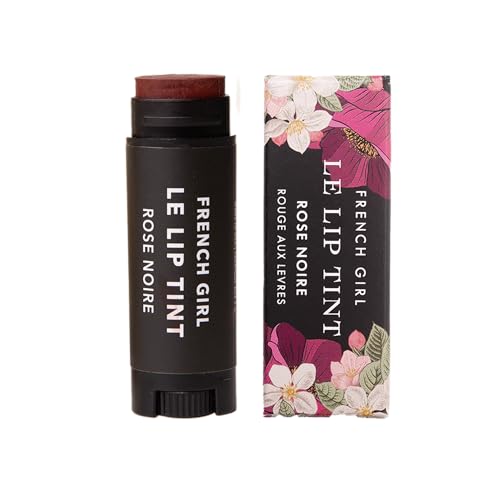
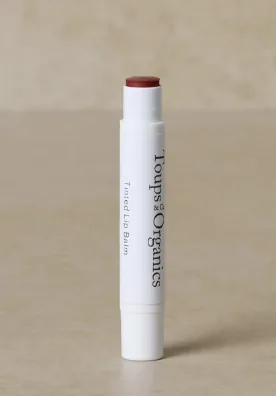
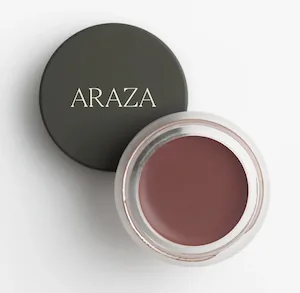
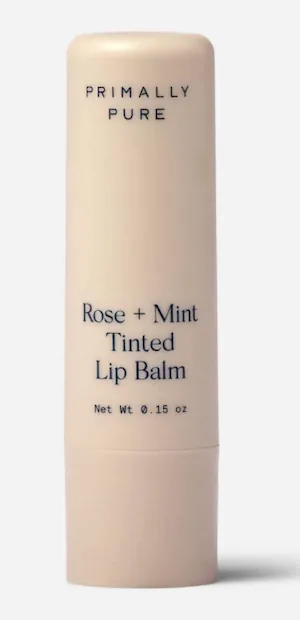
We vetted lip tints against the Welpr Standard and here are our top picks.
Here's what we look for:
- Simple formulas with minimal, non-irritating preservatives
- No parabens, PEGs, phthalates, sulfates, BHA/BHT, formaldehyde or formaldehyde-releasing ingredients, or undisclosed synthetic fragrance (unless certified safe)
- Mineral pigments or safe alternatives tested for heavy metals
- EU-compliant brands and third-party certifications when available
- Transparent sourcing, ingredients, and manufacturing practices
Best Non-Toxic Lip Tints
On Welpr, terms like "non-toxic," "safer," "cleaner," "healthier," and "vetted" are editorial labels based on our own standard for product assessment. They are not guarantees, certifications, or medical claims. Learn more.
Welpr Blueprint: Go Non-Toxic Mini-Course
The 80/20 guide to going non-toxic the easy way.
WELPR15WELPRUse link for discountHow to Swap to Non-Toxic lip tints:
Here's how to swap to non-toxic lip tints:
What to know about lip tint
Lip tint sits directly on one of the most absorbent areas of your body and is easily ingested throughout the day. That combination of constant skin contact, proximity to your mouth, and frequent reapplication makes the formula worth paying attention to.
- Welpr focuses on pigment safety, fragrance sources, and preservatives in lip products since these are the areas where formulations vary most.
- Because lip tint is worn for hours and can be swallowed in small amounts, it gets extra scrutiny compared to products that rinse off.
Review what you already use
Check your current lip tints against Welpr's standards using the Welpr Personal Care and Cosmetic Scanner. It reads your ingredient label and flags anything that doesn't meet Welpr's criteria.
- Start with the lip tint you wear most often or reapply throughout the day, since frequency and mouth proximity make it the highest priority.
- Look for "fragrance" or "parfum" on the ingredient list — if it's there without further disclosure, it likely contains synthetic fragrance.
Use your current lip tint more carefully
If you're not ready to replace your lip tint right away, small adjustments can reduce how much you take in. This is especially worth considering for products you wear daily.
- Blot off excess product before eating or drinking to limit how much is ingested.
- Apply fewer layers or use the tint only for occasions rather than all-day wear until you find a cleaner option.
Choose a cleaner lip tint
Look for lip tints with simple, short ingredient lists built around plant-based oils, waxes, and natural mineral pigments. Fragrance-free formulas are ideal, and any scent should come from essential oils or plant extracts rather than synthetic fragrance.
- Choose brands that confirm their pigments are tested for heavy metals, and avoid products listing parabens, PEGs, BHA, or BHT.
- Click the button above to shop Welpr Approved lip tint.

Camille May
Cofounder & Product Curator
Camille May is the co-creator of Welpr and a guide for clean living. After selling her last company in the health food space, she went non-toxic while working to heal an autoimmune condition....

Olushola M. Awoyemi
Medical Reviewer, PhD
Olushola M. Awoyemi (aka Shola) is a board-certified toxicologist and a research scientist with a PhD in Environmental Toxicology. Shola's long-term ambition is to be recognized as a world-renowned expert in toxicology,...