

WELPR15As an Amazon Associate, we earn from qualifying purchases. Affiliate links do not affect our ratings. Learn more.
Best Non-Toxic Loofahs
We vetted loofahs against the Welpr Standard and here are our top picks.
Here's what we look for:
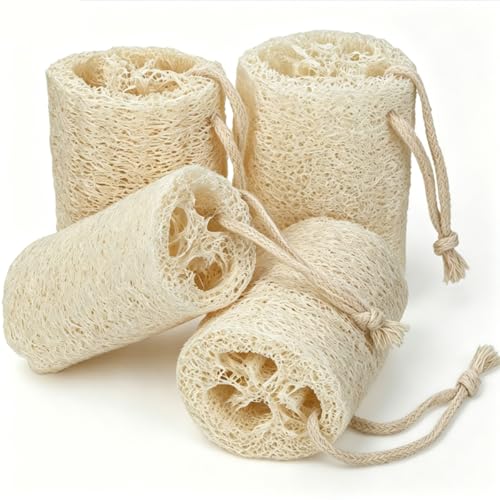
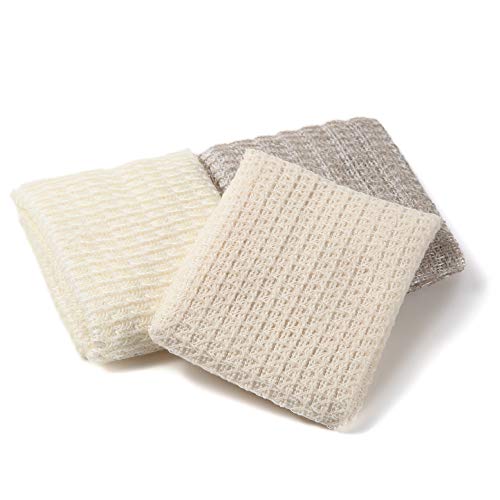
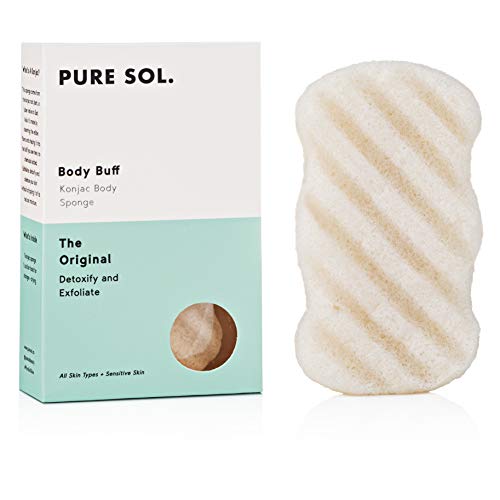
- Natural materials like sisal, cotton, and konjac fiber
- Free from synthetics like polyester and other plastics
- No chlorine, artificial dyes, or fragrances
- Products from transparent brands we trust
The Best Non-Toxic Loofahs
On Welpr, terms like "non-toxic," "safer," "cleaner," "healthier," and "vetted" are editorial labels based on our own standard for product assessment. They are not guarantees, certifications, or medical claims. Learn more.
Welpr Blueprint: Go Non-Toxic Mini-Course
The 80/20 guide to going non-toxic the easy way.
WELPR15How to Swap to Non-Toxic loofahs:
Here's how to swap to non-toxic loofahs:
What to know about loofahs
Loofahs sit against your skin and are used across large areas of your body, often daily. That combination of frequent use, direct skin contact, and moisture makes the material and any added treatments worth paying attention to.
- Synthetic loofahs are typically made from plastic mesh and may be treated with dyes or chemical coatings that sit against wet, open-pored skin.
- Natural loofahs come from the luffa gourd and are minimally processed, but can still be bleached or treated — so the sourcing and processing matter.
Check the loofah you use now
Look at the packaging or product listing for your current loofah to see what it's made from and whether it's been treated or dyed. Many loofahs don't list much detail, so the material itself is your best starting point.
- If your loofah is a brightly colored plastic mesh puff, it's likely synthetic and may contain added dyes or coatings — consider it a good candidate to swap first.
- If it's a natural luffa, check whether the label mentions bleaching, dyeing, or any added fragrance.
Use your current loofah more safely
Replacing a loofah isn't always immediate, but how you care for it between uses can make a difference. Moisture and warmth create an environment where bacteria and mold build up quickly.
- Rinse your loofah thoroughly after each use and hang it somewhere with good airflow — avoid leaving it sitting in a wet shower corner.
- Replace synthetic loofahs every 3–4 weeks and natural ones every 4–6 weeks, since worn-down material can harbor more buildup against your skin.
Choose a cleaner replacement
Look for a natural loofah or plant-based body scrubber that's unbleached and undyed. Simple, minimally processed options tend to be the cleanest choice for something that touches your whole body daily.
- Choose loofahs labeled as unbleached, fragrance-free, and made from a single natural material like luffa gourd, sisal, or organic cotton.
- Click the button above to shop Welpr Approved loofahs.

Camille May
Cofounder & Product Curator
Camille May is the co-creator of Welpr and a guide for clean living. After selling her last company in the health food space, she went non-toxic while working to heal an autoimmune condition....

Olushola M. Awoyemi
Medical Reviewer, PhD
Olushola M. Awoyemi (aka Shola) is a board-certified toxicologist and a research scientist with a PhD in Environmental Toxicology. Shola's long-term ambition is to be recognized as a world-renowned expert in toxicology,...