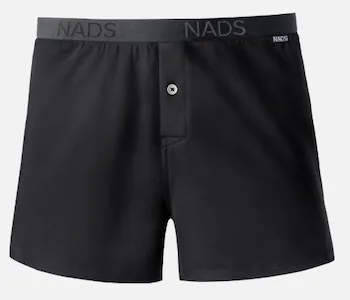

MATE the Label
Est. Price
--
Performance
Ingredient Safety
Meets the Welpr Standard
Buy Now
on MATE the Label
Certifications
Free From
As an Amazon Associate, we earn from qualifying purchases. Affiliate links do not affect our ratings. Learn more.
We vetted men's clothing against the Welpr Standard and here are our top picks.

Cofounder & Product Curator

Medical Reviewer, PhD
Here's what we look for:

On Welpr, terms like "non-toxic," "safer," "cleaner," "healthier," and "vetted" are editorial labels based on our own standard for product assessment. They are not guarantees, certifications, or medical claims. Learn more.
Meets the Welpr Standard
on MATE the Label
The 80/20 guide to going non-toxic the easy way.




Meets the Welpr Standard
on Harvest & Mill


Meets the Welpr Standard
WELPR10on Organic Basics

Meets the Welpr Standard
WELPR10on The Big Favorite


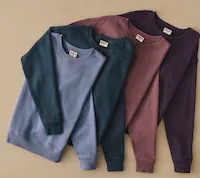


Meets the Welpr Standard
on Industry of All Nations
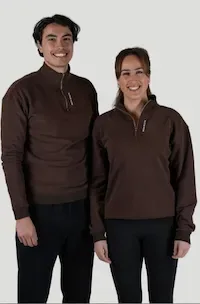

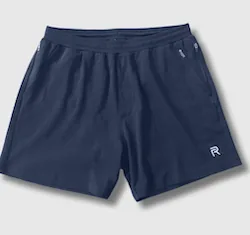
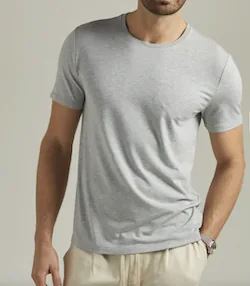



Meets the Welpr Standard
on Vilebrequin

Here's how to swap to non-toxic men's clothing:
Clothing sits against your skin for hours at a time, making the materials it's made from one of the most important things to consider. Welpr focuses on the fabrics, dyes, and finishes used in men's clothing because these determine what's in contact with your body all day.
Check the tags or labels on the clothes you wear most often. Start with items that cover large areas of skin or that you wear daily, like undershirts, underwear, and socks.
Replacing your entire wardrobe at once isn't realistic. A few simple habits can help reduce exposure from clothing you already have.
When it's time to replace a worn-out item, look for clothing made from natural fibers like organic cotton, linen, hemp, wool, or silk. Prioritize replacing the pieces you wear closest to your skin and most frequently first.
Cofounder & Product Curator
Camille May is the co-creator of Welpr and a guide for clean living. After selling her last company in the health food space, she went non-toxic while working to heal an autoimmune condition....
Medical Reviewer, PhD
Olushola M. Awoyemi (aka Shola) is a board-certified toxicologist and a research scientist with a PhD in Environmental Toxicology. Shola's long-term ambition is to be recognized as a world-renowned expert in toxicology,...