

Free From
Highlights
Hypoallergenic
Recycled materials
2 year warranty
3x5 ft
Rectangle
Machine washable
As an Amazon Associate, we earn from qualifying purchases. Affiliate links do not affect our ratings. Learn more.
We vetted nursery rugs against the Welpr Standard and here are our top picks.

Cofounder & Product Curator

Medical Reviewer, PhD
Here's what we look for:

On Welpr, terms like "non-toxic," "safer," "cleaner," "healthier," and "vetted" are editorial labels based on our own standard for product assessment. They are not guarantees, certifications, or medical claims. Learn more.
The 80/20 guide to going non-toxic the easy way.

Loloi
Meets the Welpr Standard
on Amazon
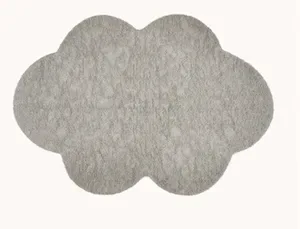

Little Wonder & Co
Meets the Welpr Standard
on Little Wonder & Co
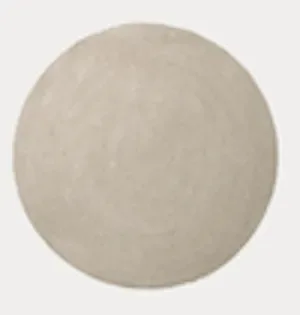
Armadillo
Meets the Welpr Standard
on Armadillo
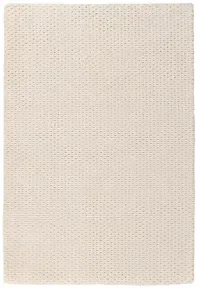
Hook & Loom
Meets the Welpr Standard
on Hook & Loom
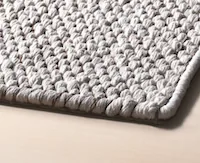
Nestig
Meets the Welpr Standard
on Nestig
Here's how to swap to non-toxic nursery rugs:
Nursery rugs sit directly on the floor where babies crawl, play, and spend hours each day. Welpr focuses on the materials, backing, dyes, and finishes used in the rug, since babies have thinner skin and are in constant close contact with the surface.
Check the label or product listing for your current nursery rug. Look for the fiber content, backing material, and any mentions of treatments or finishes.
If you're not ready to replace your rug right away, a few simple steps can help reduce what your baby is exposed to while using it.
Look for rugs made from natural fibers like organic cotton, wool, or jute with natural or untreated backings. Ideally, choose one backed by a trusted third-party certification like OEKO-TEX or GOTS.
Cofounder & Product Curator
Camille May is the co-creator of Welpr and a guide for clean living. After selling her last company in the health food space, she went non-toxic while working to heal an autoimmune condition....
Medical Reviewer, PhD
Olushola M. Awoyemi (aka Shola) is a board-certified toxicologist and a research scientist with a PhD in Environmental Toxicology. Shola's long-term ambition is to be recognized as a world-renowned expert in toxicology,...