



Top Pick
Babymoov
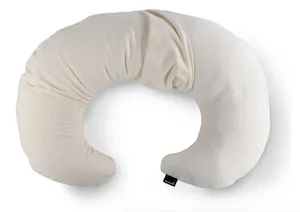
B.Love Pregnancy Pillow & Nursing Cushion
- Free From
- Azo Dye Free, Chlorine Free, Flame Retardant Free, Formaldehyde Free, Heavy Metal Free, Low VOC, PFAS Free, Phthalate Free
- Certified
- GOTS Certified, OEKO-TEX Standard 100
- Highlights
- Made in EU, Recycled materials, Lifetime warranty, U-shaped, Also for pregnancy, Removable cover
8.3
Performance score
010
Where to buy
- AmazonSee price
Pros
- The cover fabric is consistently described as very soft, and both covers are machine washable.
- The microbead fill holds its shape and conforms to pressure, letting you mold the pillow to your preferred position.
- The 2-in-1 design converts between a longer body pillow and a shorter U-shaped nursing pillow without much hassle.
- Multiple people found it noticeably improved sleep quality during pregnancy and for those with back pain.
- The shorter nursing configuration is firm and holds babies in a good position for feeding.
Cons
- The full-length configuration takes up a lot of bed space, making it hard to roll over or share with a partner.
- The fill can flatten and sag over time, reducing support after months of regular use.
- The microbead fill makes the pillow heavier than expected, which caught several people off guard.
- Filled with ultra-fine microbeads rather than traditional fiber stuffing, so it molds to your body's shape and stays silent when you shift positions at night.
- The 2-in-1 design uses a microbead transfer system that lets you convert from a full-body U-shaped pregnancy pillow to a C-shaped nursing cushion in about 30 seconds. You're choosing which configuration to use at a given time, not getting two separate pillows.
- For nursing, a slight incline brings baby to feeding height, and a built-in fastening button keeps the cushion locked in place so you can go hands-free.
- Compact enough to share a bed without taking over. Most full-body pregnancy pillows are bulky; this one folds down small and comes with a reusable travel bag made from recycled materials.
- Designed in France and manufactured in Europe, Babymoov is a 25-year-old company founded by three French designers. They back this pillow (and all their products) with a lifetime warranty.
- One of the fewer non-toxic nursing pillows that continues to be useful well past the newborn stage; the shape works for propping up while reading, lounging, or general side-sleeping support.
- 95% Organic Cotton
- 5% Elastane
- 97% Polyester
- 3% Elastane
- Expanded Polystyrene Microbeads