
Product image coming soon
DIME Beauty
7 Summers Perfume
Est. PricePrice unavailable
8.7
Performance
Ingredient Safety
Fails the Welpr Standard
As an Amazon Associate, we earn from qualifying purchases. Affiliate links do not affect our ratings. Learn more.
We vetted perfumes against the Welpr Standard and here are our top picks.

Cofounder & Product Curator

Medical Reviewer, PhD
Here's what we look for:

On Welpr, terms like "non-toxic," "safer," "cleaner," "healthier," and "vetted" are editorial labels based on our own standard for product assessment. They are not guarantees, certifications, or medical claims. Learn more.
DIME Beauty
Fails the Welpr Standard
The 80/20 guide to going non-toxic the easy way.
DIME Beauty
Fails the Welpr Standard
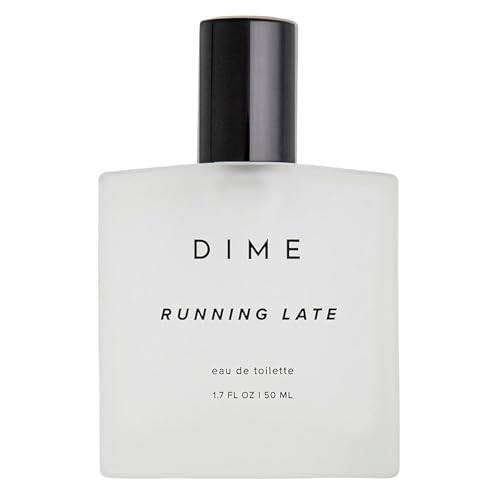
DIME Beauty
Fails the Welpr Standard
on Amazon

Skylar
Meets the Welpr Standard
on Amazon

by rosie jane
Meets the Welpr Standard
on Amazon

by rosie jane
Meets the Welpr Standard
on Amazon
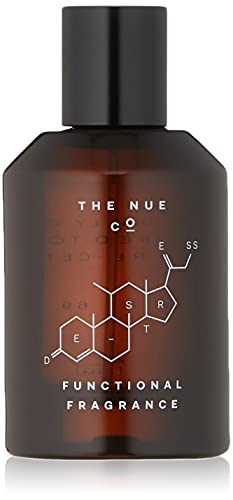
The Nue Co.
Meets the Welpr Standard
on Amazon

Skylar
Meets the Welpr Standard
on Amazon
Layermor
Meets the Welpr Standard
WELPRon Layermor
Here's how to swap to non-toxic perfumes:
Fragrance is applied directly to skin and worn all day, often near the face and neck. This makes it one of the highest-priority personal care products to look at. Most conventional perfumes use undisclosed blends listed simply as "fragrance" or "parfum," which can contain dozens of hidden ingredients.
Check the ingredient list on your current perfume or cologne. Look for vague terms like "fragrance" or "parfum" without any further disclosure — this usually means the full formula isn't transparent.
If you're not ready to replace your perfume right away, small changes in how you wear it can reduce how much your skin absorbs. This is especially worth considering for fragrances you wear daily.
Look for perfumes and colognes made from essential oils, botanical extracts, or natural isolates. Clean carriers matter too — organic alcohol (like sugar cane-derived) or plant-based oils such as jojoba or coconut are good signs.
Cofounder & Product Curator
Camille May is the co-creator of Welpr and a guide for clean living. After selling her last company in the health food space, she went non-toxic while working to heal an autoimmune condition....
Medical Reviewer, PhD
Olushola M. Awoyemi (aka Shola) is a board-certified toxicologist and a research scientist with a PhD in Environmental Toxicology. Shola's long-term ambition is to be recognized as a world-renowned expert in toxicology,...
