
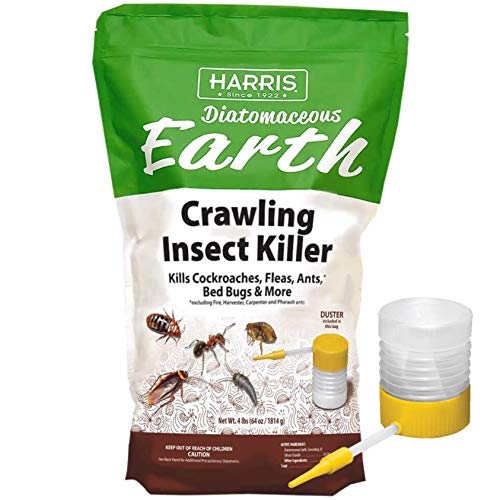
Harris
Diatomaceous Earth Crawling Insect Killer
Est. Price$29.99
7.9
Performance
Ingredient Safety
Meets the Welpr Standard
Buy Now
on Amazon
Highlights
For Multi-insect
Powder
Indoor & outdoor
As an Amazon Associate, we earn from qualifying purchases. Affiliate links do not affect our ratings. Learn more.
We vetted pest control products against the Welpr Standard and here are our top picks.

Cofounder & Product Curator

Medical Reviewer, PhD
Here's what we look for:

On Welpr, terms like "non-toxic," "safer," "cleaner," "healthier," and "vetted" are editorial labels based on our own standard for product assessment. They are not guarantees, certifications, or medical claims. Learn more.
Harris
Meets the Welpr Standard
on Amazon
The 80/20 guide to going non-toxic the easy way.

STEM
Meets the Welpr Standard
on Amazon

Cedarcide
Meets the Welpr Standard
on Amazon

Cedarcide
Meets the Welpr Standard
on Amazon

Mighty Mint
Meets the Welpr Standard
on Amazon

Mighty Mint
Meets the Welpr Standard
on Amazon

Mighty Mint
Meets the Welpr Standard
on Amazon
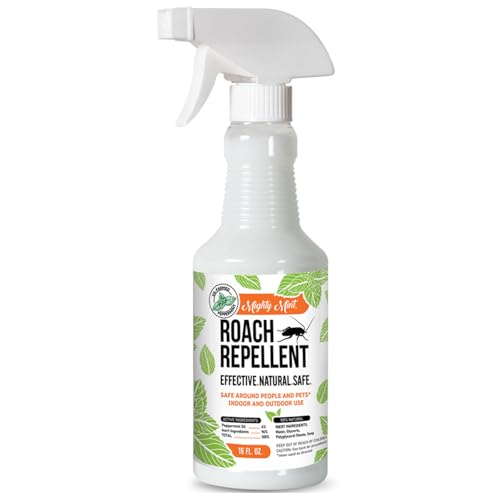
Mighty Mint
Meets the Welpr Standard
on Amazon

Kate's Home & Garden
Fails the Welpr Standard
on Amazon

Wondercide
Fails the Welpr Standard
on Amazon
Here's how to swap to non-toxic pest control products:
Pest control products like sprays, traps, and repellents are designed to kill or deter insects and rodents, and many contain ingredients that can linger on surfaces and in the air long after use. Welpr looks at what these products are made of, how transparent the brand is about its ingredients, and whether the formula avoids harsh or undisclosed chemicals. Because pest control products are often used in kitchens, bedrooms, and around pets or children, what they contain matters.
Check the labels on any pest control sprays, repellents, or treatments you currently have at home. Welpr prioritizes products that fully disclose their ingredients and avoid synthetic fragrances, harsh sulfates, quats, phthalates, and formaldehyde-releasing compounds.
Replacing every pest control product at once isn't always practical. Small changes in how you use what you have can reduce what you and your household breathe in or touch.
Look for pest control products from transparent brands that fully disclose every ingredient and skip synthetic fragrances, quats, phthalates, and harsh preservatives. Fragrance-free or essential-oil-based formulas are preferable, and third-party certifications like EWG VERIFIED™ or MADE SAFE® are a helpful signal.
Cofounder & Product Curator
Camille May is the co-creator of Welpr and a guide for clean living. After selling her last company in the health food space, she went non-toxic while working to heal an autoimmune condition....
Medical Reviewer, PhD
Olushola M. Awoyemi (aka Shola) is a board-certified toxicologist and a research scientist with a PhD in Environmental Toxicology. Shola's long-term ambition is to be recognized as a world-renowned expert in toxicology,...