

As an Amazon Associate, we earn from qualifying purchases. Affiliate links do not affect our ratings. Learn more.
Best Non-Toxic Room Fabric Sprays
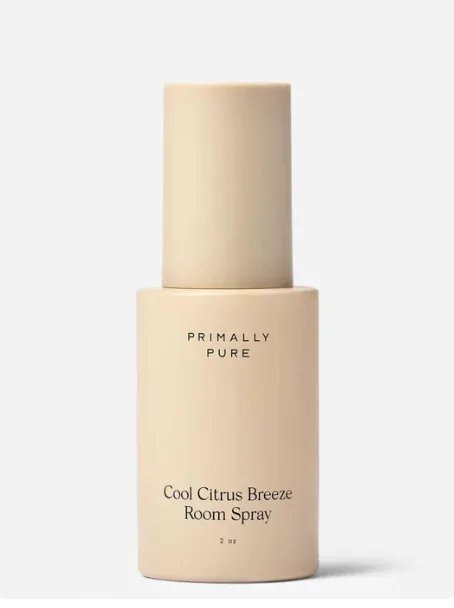
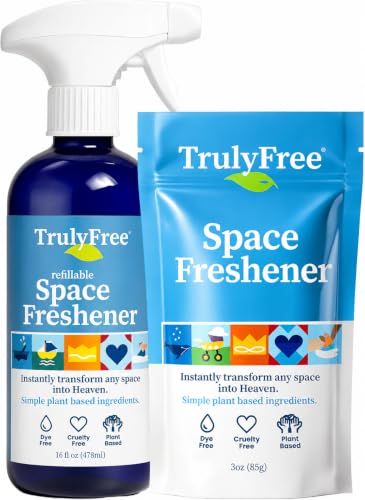
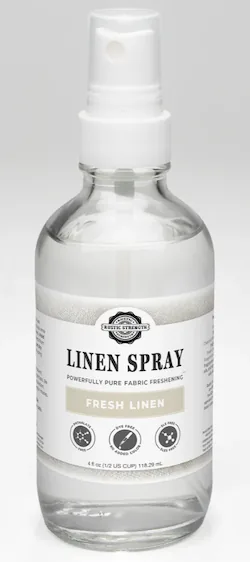
We vetted room & fabric sprays against the Welpr Standard and here are our top picks.
Welpr Approved cleaning products are always free from:
- Harsh disinfectants and irritants: bleach, ammonia, sulfates, and quats
- Endocrine disruptors and preservatives: phthalates, parabens, BHA/BHT, triclosan
- Unnecessary additives: optical brighteners, artificial dyes, and synthetic fragrance (unless certified safe)
- Undisclosed or hidden ingredients
Best Non-Toxic Room Fabric Sprays
On Welpr, terms like "non-toxic," "safer," "cleaner," "healthier," and "vetted" are editorial labels based on our own standard for product assessment. They are not guarantees, certifications, or medical claims. Learn more.
Welpr Blueprint: Go Non-Toxic Mini-Course
The 80/20 guide to going non-toxic the easy way.
Use link for discountHow to Swap to Non-Toxic room & fabric sprays:
Here's how to swap to non-toxic room & fabric sprays:
What to know about room & fabric sprays
Room and fabric sprays release fine mists that you breathe in directly, often in enclosed spaces like bedrooms and living rooms. Welpr focuses on what these sprays are made of — the fragrance ingredients, carriers, and any additives in the formula. Because they're used frequently and in close proximity to your face and lungs, what's inside matters more than most people realize.
- Most conventional sprays use undisclosed fragrance blends listed simply as "fragrance" or "parfum," which can contain dozens of hidden ingredients.
- Sprays used on pillows, couches, or bedding sit on surfaces you press your face against, increasing your direct exposure.
Check what you're currently spraying
Look at the ingredient list on any room or fabric sprays you use regularly. Welpr prioritizes full transparency — if a product just lists "fragrance" or "parfum" without disclosing what's behind it, that's a red flag.
- Check for vague terms like "fragrance," "parfum," or "natural fragrance blend" with no further ingredient breakdown — these hide what's actually in the formula.
- Start with the spray you use most often or the one you use in bedrooms and on fabrics that touch your skin.
Use your current spray more safely
If you're not ready to replace your current room or fabric spray, a few simple changes can reduce how much you breathe in and how much lands on your skin.
- Open a window before spraying and keep it open for several minutes — avoid spraying in small, closed rooms like bathrooms with the door shut.
- Skip spraying directly on pillows, blankets, or clothing that will touch your skin; spray into the air in the center of a room instead.
Choose a cleaner room & fabric spray
Look for sprays scented with essential oils or botanical extracts and carried in clean bases like organic alcohol or plant-based oils. Every ingredient should be fully disclosed on the label — no hidden fragrance blends.
- Avoid products listing undisclosed fragrance, parabens, formaldehyde-releasing compounds, PEGs, BHT, or artificial dyes — and skip anything that won't tell you exactly what's in the bottle.
- Click the button above to shop Welpr Approved room & fabric sprays.

Camille May
Cofounder & Product Curator
Camille May is the co-creator of Welpr and a guide for clean living. After selling her last company in the health food space, she went non-toxic while working to heal an autoimmune condition....

Olushola M. Awoyemi
Medical Reviewer, PhD
Olushola M. Awoyemi (aka Shola) is a board-certified toxicologist and a research scientist with a PhD in Environmental Toxicology. Shola's long-term ambition is to be recognized as a world-renowned expert in toxicology,...