
Healthier Homes
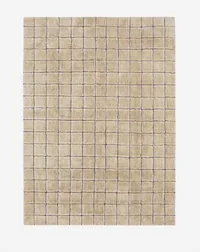
Washable Stacked Brick Rug
Est. Price$415
8.2
Performance
Ingredient Safety
Meets the Welpr Standard
Buy Now
on Healthier Homes
Highlights
Made in EU
Area (5x7 to 6x9)
Hand-tufted
Machine washable
As an Amazon Associate, we earn from qualifying purchases. Affiliate links do not affect our ratings. Learn more.
We vetted rugs against the Welpr Standard and here are our top picks.

Cofounder & Product Curator

Medical Reviewer, PhD
Here's what we look for:

On Welpr, terms like "non-toxic," "safer," "cleaner," "healthier," and "vetted" are editorial labels based on our own standard for product assessment. They are not guarantees, certifications, or medical claims. Learn more.
Healthier Homes
Meets the Welpr Standard
on Healthier Homes
The 80/20 guide to going non-toxic the easy way.
Healthier Homes
Meets the Welpr Standard
on Healthier Homes
Healthier Homes
Meets the Welpr Standard
on Healthier Homes

Thuma
Meets the Welpr Standard
on Thuma
Thuma
Meets the Welpr Standard
on Thuma
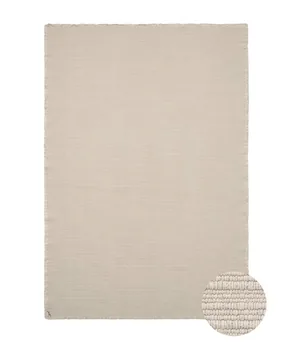
Healthier Homes
Meets the Welpr Standard
on Healthier Homes
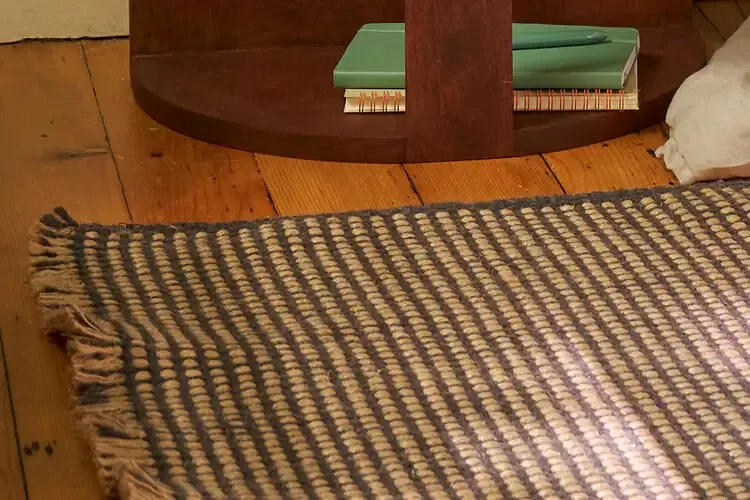
Sabai
Meets the Welpr Standard
on Sabai
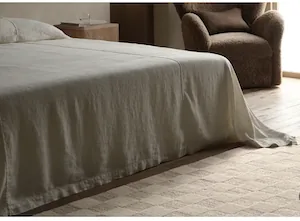
Saatva
Meets the Welpr Standard
on Saatva
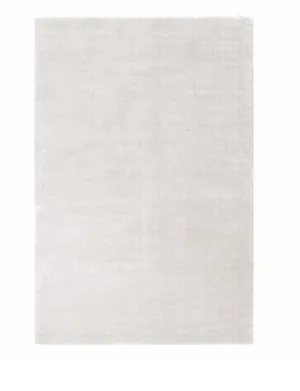
Healthier Homes
Meets the Welpr Standard
on Healthier Homes
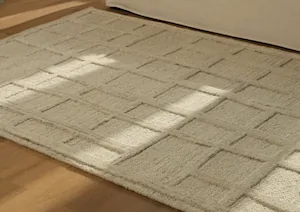
Saatva
Meets the Welpr Standard
on Saatva
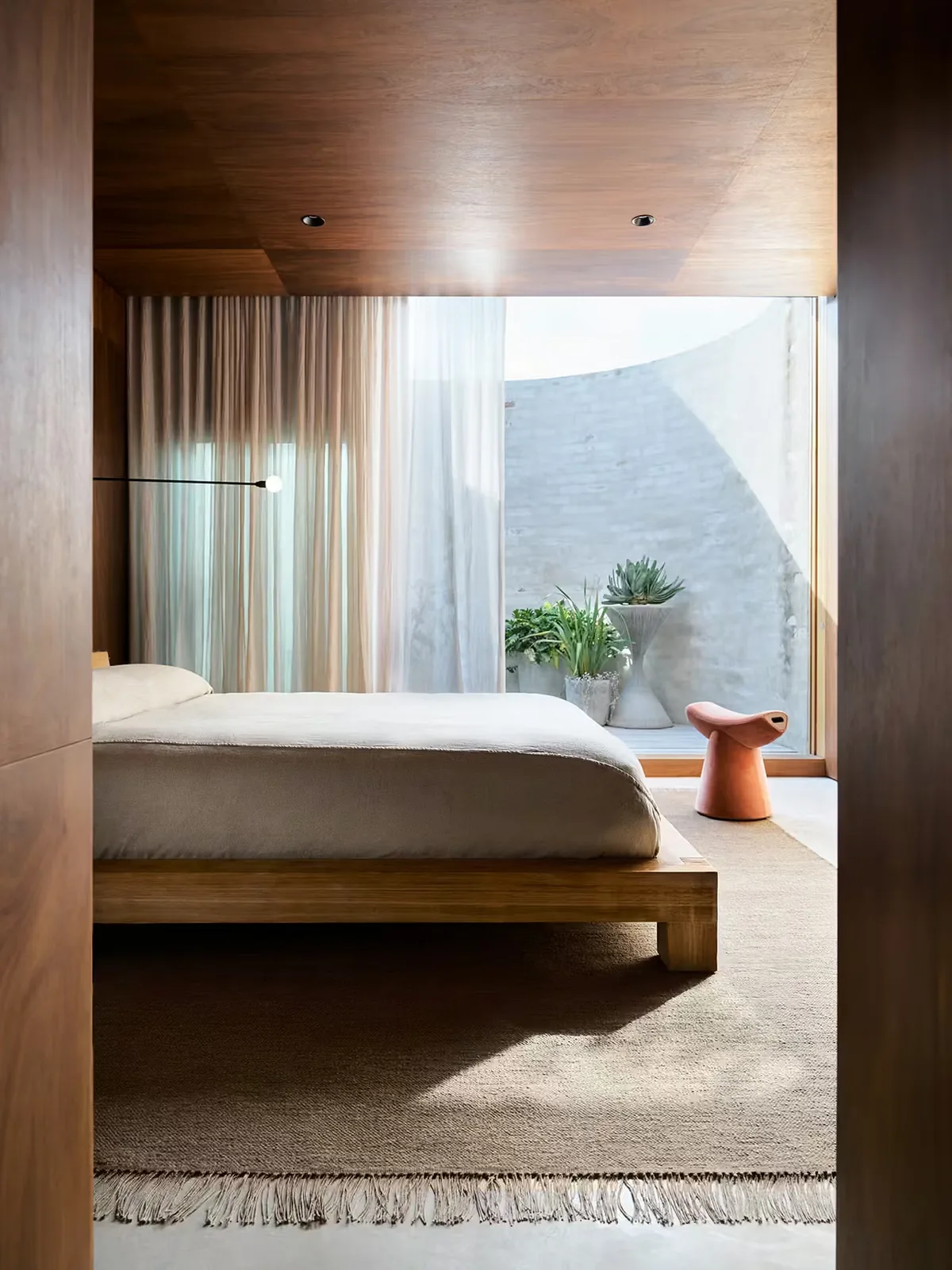
Armadillo
Meets the Welpr Standard
on Armadillo
Here's how to swap to non-toxic rugs:
Rugs cover large areas of your floor and sit in spaces where you walk, sit, and play — especially kids and pets. Because of that constant proximity, the materials a rug is made from, how it's backed, and what it's treated with all matter. Many conventional rugs use synthetic fibers, chemical backings, and adhesives that can off-gas VOCs into your living space.
Check the labels or product descriptions of your current rugs. Look for information about fiber content, backing material, and any treatments or coatings applied during manufacturing.
Replacing rugs isn't always immediate, especially larger or more expensive ones. A few simple steps can help reduce what off-gasses into your home from rugs you already own.
Look for rugs made from natural fibers like organic cotton, wool, jute, hemp, or linen. The backing and adhesives matter just as much as the top fibers — choose rugs with natural latex or untreated cotton backings and low- or zero-VOC adhesives.
Cofounder & Product Curator
Camille May is the co-creator of Welpr and a guide for clean living. After selling her last company in the health food space, she went non-toxic while working to heal an autoimmune condition....
Medical Reviewer, PhD
Olushola M. Awoyemi (aka Shola) is a board-certified toxicologist and a research scientist with a PhD in Environmental Toxicology. Shola's long-term ambition is to be recognized as a world-renowned expert in toxicology,...