


Top Pick
Sijo
Organic Bamboo Sheet Set
- Free From
- Azo Dye Free, Formaldehyde Free, Heavy Metal Free, Low VOC, PFAS Free, Phthalate Free
- Certified
- EcoCert, OEKO-TEX Standard 100, USDA Organic
- Highlights
- Hypoallergenic, 1 year warranty, Twin, Twin XL, Full, Queen, King, California King, Sateen, Deep pocket
9.4
Performance score
010
Where to buy
- SijoSee price
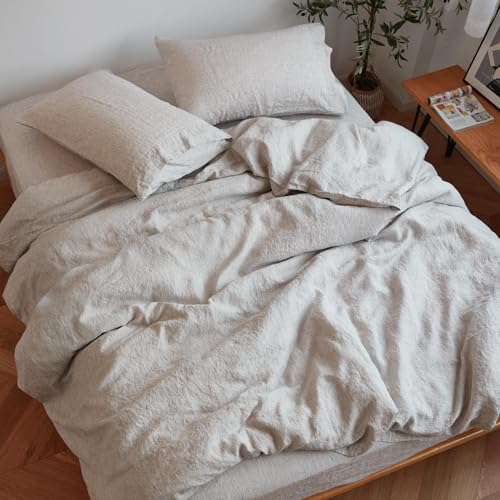
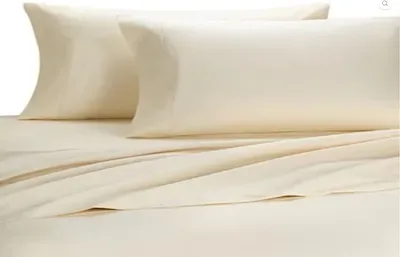
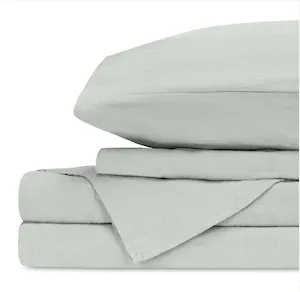
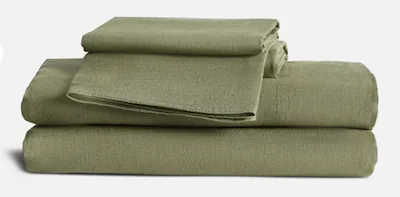
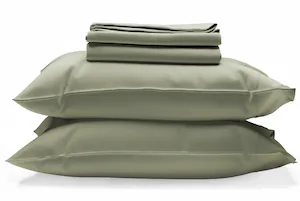
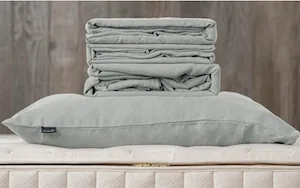
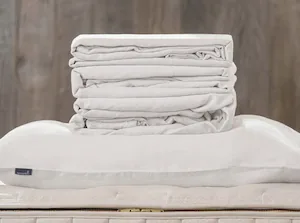
- Bamboo viscose woven in a sateen weave, so the texture is silky and smooth rather than crisp like percale cotton. The feel is closer to silk than traditional cotton sheets.
- Bamboo fiber is naturally moisture-wicking and breathable, which helps regulate temperature overnight. If you tend to sleep hot or live in a humid climate, these are worth considering as non-toxic sheets.
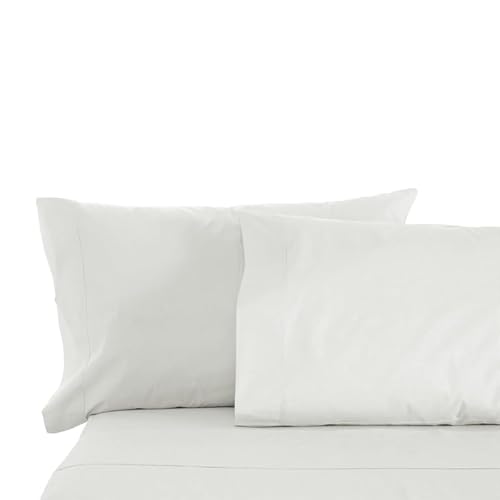
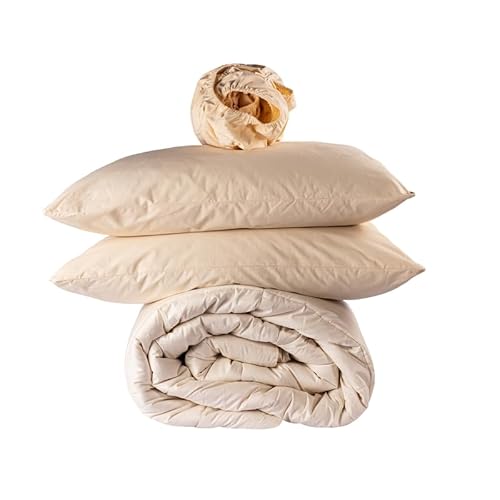
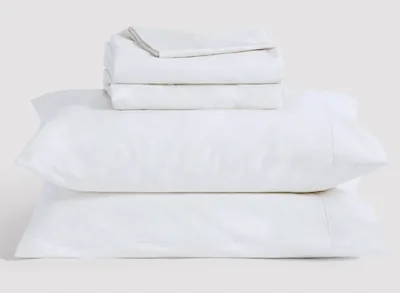
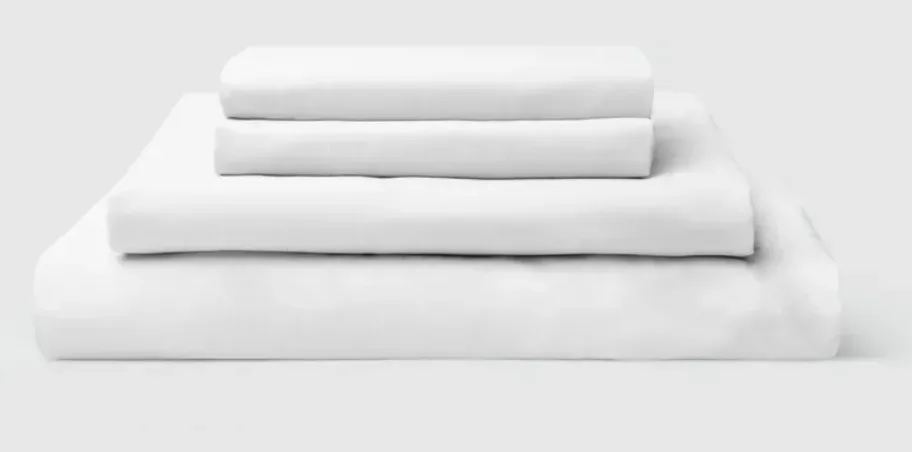
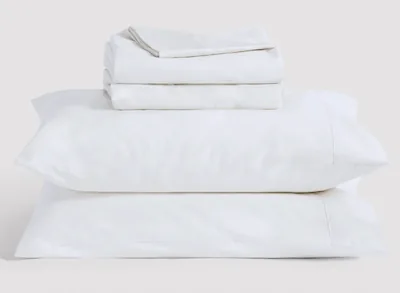
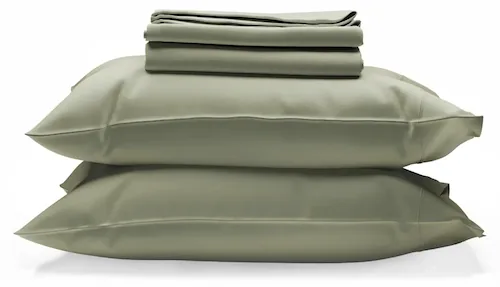
- Each set comes with a fitted sheet, flat sheet, and two pillowcases. The fitted sheet has deep pockets to accommodate thicker mattresses.
- Some pilling is normal with natural fiber sheets like these, especially early on. Sijo recommends skipping fabric softeners and dryer balls to minimize it.
- Sijo works with factories that also produce for international luxury bedding brands and sells direct, cutting out wholesale and retail markups from the pricing.
- 100% Viscose
- Bamboo