

World Amenities
Disposable Shower Caps (25 Pack)
Est. Price$14.99
8.7
Performance
Ingredient Safety
Meets the Welpr Standard
Buy Now
on Amazon
Free From
Highlights
Plastic-free packaging
Money-back guarantee
Standard
Disposable
Waterproof
As an Amazon Associate, we earn from qualifying purchases. Affiliate links do not affect our ratings. Learn more.
We vetted shower caps against the Welpr Standard and here are our top picks.

Cofounder & Product Curator

Medical Reviewer, PhD
Here's what we look for:

On Welpr, terms like "non-toxic," "safer," "cleaner," "healthier," and "vetted" are editorial labels based on our own standard for product assessment. They are not guarantees, certifications, or medical claims. Learn more.
World Amenities
Meets the Welpr Standard
on Amazon
The 80/20 guide to going non-toxic the easy way.
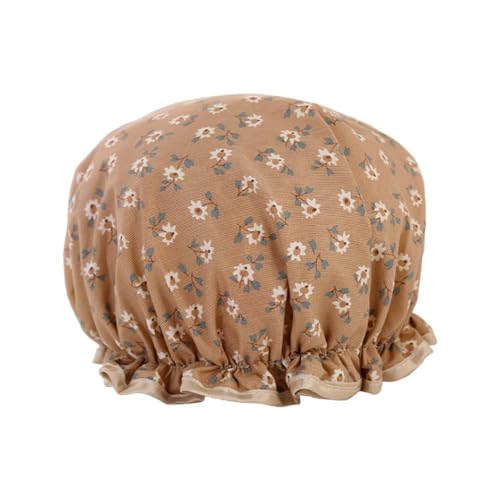
tianyamingyue
Meets the Welpr Standard
on Amazon

Auban
Meets the Welpr Standard
on Amazon
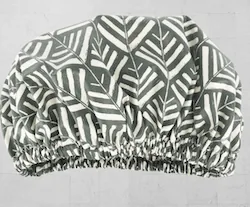
Laminated Cotton Shop
Meets the Welpr Standard
on Etsy
Here's how to swap to non-toxic shower caps:
Most shower caps are made from synthetic plastics like PVC or polyester, often with elastic bands and waterproof coatings. Since a shower cap sits directly on your head and is used in a warm, steamy environment, the materials it's made from matter more than you might think.
Look at the label or packaging of your current shower cap to see what materials it's made from. Many conventional shower caps are made from PVC (vinyl), which can contain phthalates and other chemical softeners.
If you're not ready to replace your shower cap right away, a couple of small changes can help. Reducing heat exposure and improving airflow around the cap can make a difference.
Look for shower caps made with natural fiber linings like organic cotton or silk, with a waterproof outer layer that is free of PVC, phthalates, and PFAS. Simpler materials and fewer chemical treatments make for a better cap.
Cofounder & Product Curator
Camille May is the co-creator of Welpr and a guide for clean living. After selling her last company in the health food space, she went non-toxic while working to heal an autoimmune condition....
Medical Reviewer, PhD
Olushola M. Awoyemi (aka Shola) is a board-certified toxicologist and a research scientist with a PhD in Environmental Toxicology. Shola's long-term ambition is to be recognized as a world-renowned expert in toxicology,...