


As an Amazon Associate, we earn from qualifying purchases. Affiliate links do not affect our ratings. Learn more.
Best Non-Toxic Sippy Cups
We vetted sippy cups against the Welpr Standard and here are our top picks.
Here's what we look for:
- Non-toxic materials like food-grade silicone or stainless steel
- Free from BPA, phthalates, and lead
- Third-party certifications whenever available
- Products from transparent brands we trust
Best Non-Toxic Sippy Cups
On Welpr, terms like "non-toxic," "safer," "cleaner," "healthier," and "vetted" are editorial labels based on our own standard for product assessment. They are not guarantees, certifications, or medical claims. Learn more.
Welpr Blueprint: Go Non-Toxic Mini-Course
The 80/20 guide to going non-toxic the easy way.
How to Swap to Non-Toxic sippy cups:
Here's how to swap to non-toxic sippy cups:
What to know about sippy cups
Sippy cups go directly in your child's mouth multiple times a day, so the materials they're made from matter a lot. Welpr focuses on what the cup is made of — the body, the lid, the spout, and any valves or seals — since all of these come into contact with liquids your child drinks.
- Many sippy cups are made from plastics that can contain BPA, PVC, or phthalates, which are types of plastic additives Welpr screens out.
- Spouts and valves are especially important since your child chews and sucks on them directly.
Check the sippy cups you already have
Look at the bottom or packaging of each sippy cup for material information. Welpr prioritizes cups made from food-grade silicone, stainless steel, or glass, and requires any plastic parts to be free from BPA, PVC, and phthalates.
- Start with the cups your child uses most often — the everyday favorites get the most mouth contact.
- If a cup doesn't list its materials anywhere on the product or packaging, that's a sign to look for a more transparent option.
Use your current sippy cups more safely
If you're not ready to replace sippy cups right away, a few simple habits can help. How you clean and use plastic cups can make a difference in what the material releases over time.
- Avoid putting plastic sippy cups in the dishwasher or microwave — heat can cause plastic to break down faster; hand-wash with warm (not hot) water instead.
- Replace any cups that are scratched, cloudy, or visibly worn, since damaged plastic is more likely to release unwanted compounds.
Choose cleaner sippy cups
Look for sippy cups made from food-grade silicone, stainless steel, or glass. If the cup has any plastic parts, make sure they are clearly labeled as BPA-free, PVC-free, and phthalate-free.
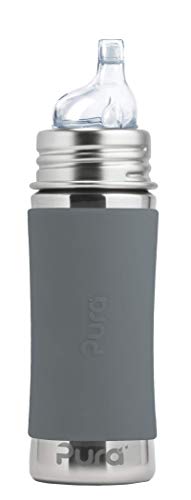
- Silicone spouts and stainless steel bodies are a great combination — durable, easy to clean, and free from the plastic concerns Welpr screens for.
- Click the button above to shop Welpr Approved sippy cups.

Camille May
Cofounder & Product Curator
Camille May is the co-creator of Welpr and a guide for clean living. After selling her last company in the health food space, she went non-toxic while working to heal an autoimmune condition....

Olushola M. Awoyemi
Medical Reviewer, PhD
Olushola M. Awoyemi (aka Shola) is a board-certified toxicologist and a research scientist with a PhD in Environmental Toxicology. Shola's long-term ambition is to be recognized as a world-renowned expert in toxicology,...


