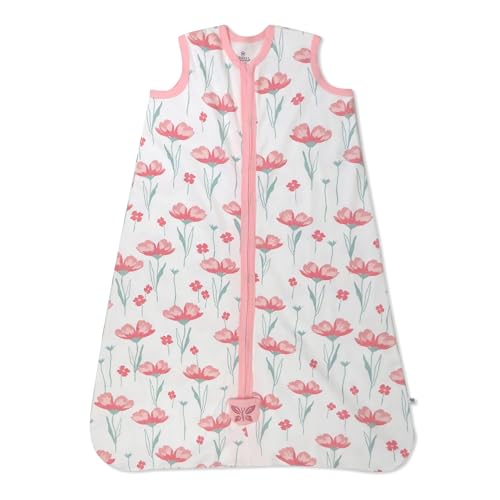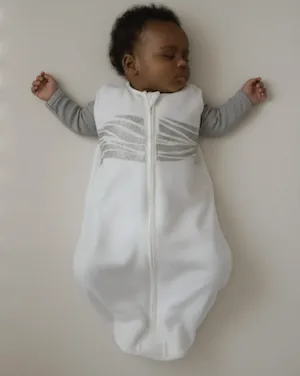


Use link for discountAs an Amazon Associate, we earn from qualifying purchases. Affiliate links do not affect our ratings. Learn more.
Best Non-Toxic Sleep Sacks
We vetted sleep sacks against the Welpr Standard and here are our top picks.
Here's what we look for:
- Natural fibers like organic cotton, linen, wool, and hemp
- Non-toxic dyes and low-impact finishes
- Trusted third-party certifications like GOTS & OEKO-TEX
- Brands that are transparent about sourcing, materials, and ethics
Best Non-Toxic Sleep Sacks
On Welpr, terms like "non-toxic," "safer," "cleaner," "healthier," and "vetted" are editorial labels based on our own standard for product assessment. They are not guarantees, certifications, or medical claims. Learn more.
Welpr Blueprint: Go Non-Toxic Mini-Course
The 80/20 guide to going non-toxic the easy way.
Use link for discountHow to Swap to Non-Toxic sleep sacks:
Here's how to swap to non-toxic sleep sacks:
What to know about sleep sacks
Sleep sacks sit directly against your baby's skin for hours every night, making the fabric and any treatments on it especially important. Welpr focuses on what the sleep sack is made of — the fiber type, any chemical finishes, and whether the materials have been independently tested for safety.
- Babies have thinner skin and spend long stretches in sleep sacks, so what the fabric is made of and treated with matters more than it would for a quick-wear item.
- Common concerns in this category include synthetic fabrics, flame-retardant treatments, and dyes — all of which Welpr evaluates.
Check the sleep sacks you already have
Look at the tags or product listings for each sleep sack your baby currently uses. Focus on the fabric content, any finish or treatment mentions, and whether the brand provides full material transparency.
- Check the care tag inside the sleep sack for fiber content — look for organic cotton, wool, or linen rather than unlabeled synthetic blends.
- If the tag or product page doesn't clearly list what the sleep sack is made of or treated with, that's a sign to prioritize replacing it first.
Use your current sleep sacks more safely
If you're not ready to replace a sleep sack right away, a couple of simple steps can help reduce what your baby is exposed to. Washing before first use and regularly afterward can help remove residual chemical finishes from the fabric.
- Wash new sleep sacks at least once before your baby wears them — this helps rinse away manufacturing residues and excess dyes.
- Use a non-toxic detergent for all baby laundry to avoid adding chemicals back onto the fabric.
Choose a cleaner sleep sack
Look for sleep sacks made from natural, breathable fibers like organic cotton, wool, or linen. If the product contains any synthetics, it should be free from flame retardants and PFAS, and ideally backed by a trusted third-party certification like GOTS or OEKO-TEX.
- Be cautious of vague claims like "natural" or "eco-friendly" without a specific certification — look for GOTS-certified organic cotton or OEKO-TEX Standard 100 on the label or product page.
- Click the button above to shop Welpr Approved sleep sacks.

Camille May
Cofounder & Product Curator
Camille May is the co-creator of Welpr and a guide for clean living. After selling her last company in the health food space, she went non-toxic while working to heal an autoimmune condition....

Olushola M. Awoyemi
Medical Reviewer, PhD
Olushola M. Awoyemi (aka Shola) is a board-certified toxicologist and a research scientist with a PhD in Environmental Toxicology. Shola's long-term ambition is to be recognized as a world-renowned expert in toxicology,...