

Certifications
Free From
Highlights
Cruelty-free
Fragrance-free
Essential oil-free
SPF 50
Lotion
Water resistant
As an Amazon Associate, we earn from qualifying purchases. Affiliate links do not affect our ratings. Learn more.
We vetted sunscreens against the Welpr Standard and here are our top picks.

Cofounder & Product Curator

Medical Reviewer, PhD
Here's what we look for:

On Welpr, terms like "non-toxic," "safer," "cleaner," "healthier," and "vetted" are editorial labels based on our own standard for product assessment. They are not guarantees, certifications, or medical claims. Learn more.
The 80/20 guide to going non-toxic the easy way.
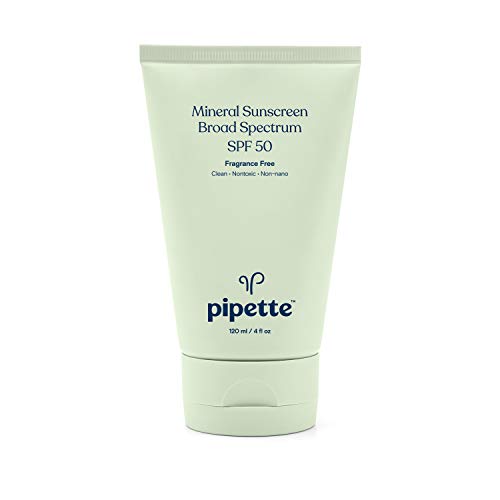
Pipette
Meets the Welpr Standard
on Amazon
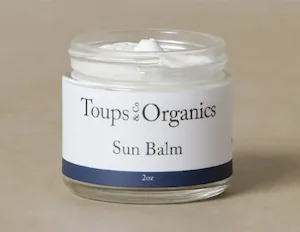
Toups & Co
Meets the Welpr Standard
Use link for discounton Toups & Co

Earth Mama
Meets the Welpr Standard
on Amazon

Attitude
Meets the Welpr Standard
on Amazon

Solara
Meets the Welpr Standard
on Amazon
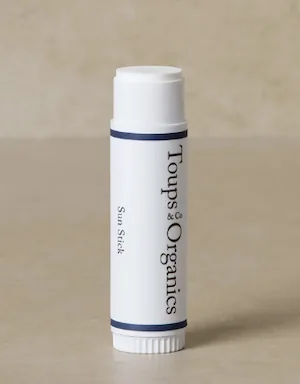
Toups & Co
Meets the Welpr Standard
Use link for discounton Toups & Co
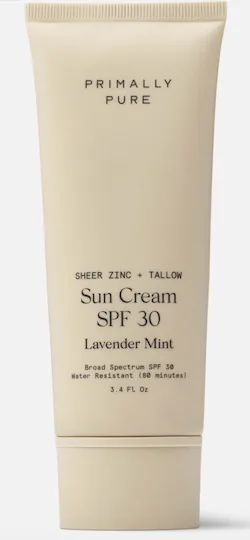
Primally Pure
Meets the Welpr Standard
WELPRon Primally Pure
Here's how to swap to non-toxic sunscreens:
Sunscreen is applied directly to large areas of skin, often on your face, and reapplied throughout the day. That combination of frequent use, broad skin contact, and facial proximity makes the ingredients in your sunscreen worth paying attention to.
Take a look at the sunscreens you use now, starting with your everyday face sunscreen or any formula you reapply often. Use the Welpr Personal Care and Cosmetic Scanner to snap a photo of the ingredient label and see what gets flagged.
Replacing sunscreen right away isn't always practical, and skipping sun protection is never a good trade-off. If you're still working through a chemical-filter sunscreen, a few small adjustments can help.
Look for sunscreens that use only zinc oxide and/or titanium dioxide as active ingredients. These mineral filters reflect UV rays from the skin's surface rather than being absorbed into it.
Cofounder & Product Curator
Camille May is the co-creator of Welpr and a guide for clean living. After selling her last company in the health food space, she went non-toxic while working to heal an autoimmune condition....
Medical Reviewer, PhD
Olushola M. Awoyemi (aka Shola) is a board-certified toxicologist and a research scientist with a PhD in Environmental Toxicology. Shola's long-term ambition is to be recognized as a world-renowned expert in toxicology,...

