
Parachute Home
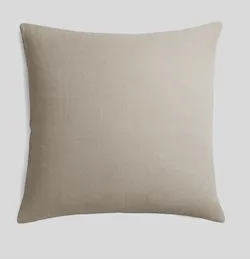
Vintage Linen Euro Pillow Cover
Est. Price$99
8.4
Performance
Ingredient Safety
Meets the Welpr Standard
Buy Now
on Parachute Home
Certifications
Free From
Highlights
Made in EU
Cover only
Euro
26 in
As an Amazon Associate, we earn from qualifying purchases. Affiliate links do not affect our ratings. Learn more.
We vetted throw pillows against the Welpr Standard and here are our top picks.

Cofounder & Product Curator

Medical Reviewer, PhD
Here's what we look for:

On Welpr, terms like "non-toxic," "safer," "cleaner," "healthier," and "vetted" are editorial labels based on our own standard for product assessment. They are not guarantees, certifications, or medical claims. Learn more.
Parachute Home
Meets the Welpr Standard
on Parachute Home
The 80/20 guide to going non-toxic the easy way.
Quince
Meets the Welpr Standard
on Quince

Bean Products
Meets the Welpr Standard
on Amazon
Healthier Homes
Meets the Welpr Standard
on Healthier Homes
Quince
Meets the Welpr Standard
on Quince
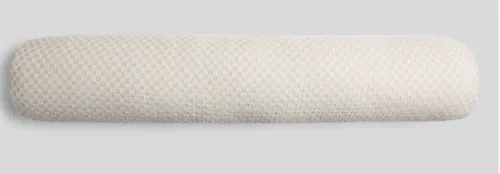
Parachute Home
Meets the Welpr Standard
on Parachute Home
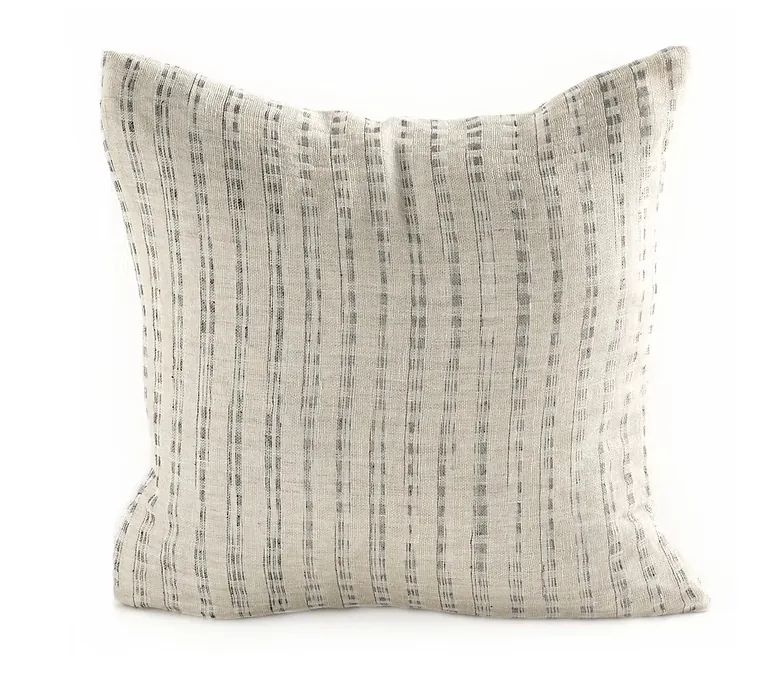
Healthier Homes
Meets the Welpr Standard
on Healthier Homes
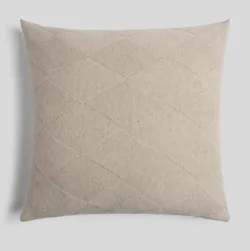
Parachute Home
Meets the Welpr Standard
on Parachute Home
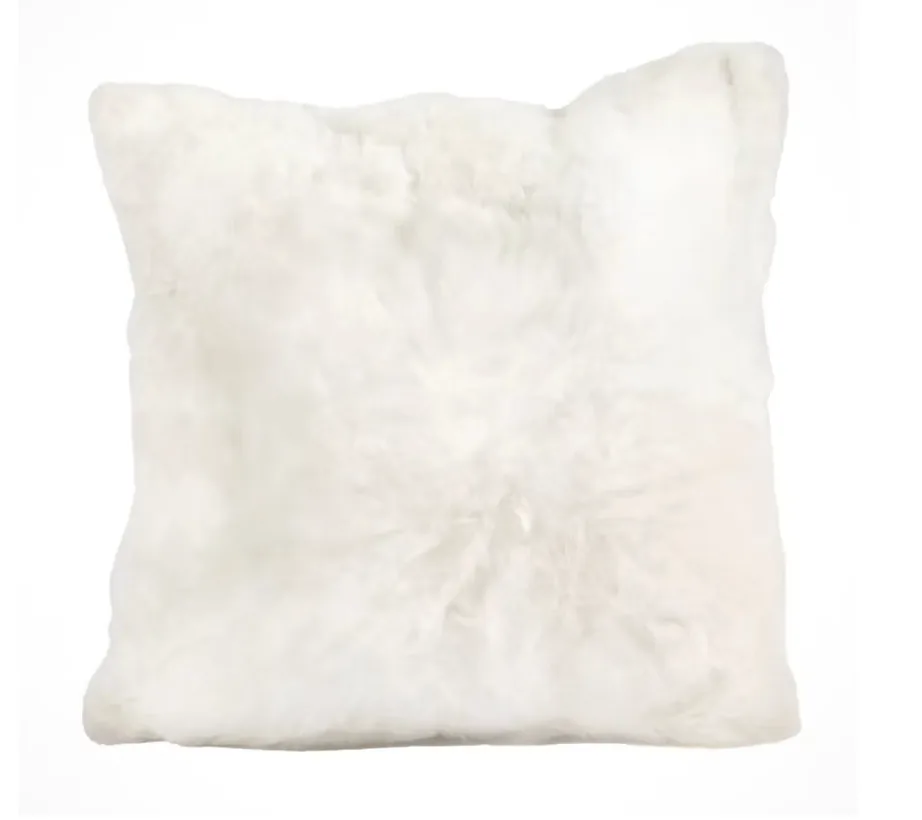
Healthier Homes
Meets the Welpr Standard
on Healthier Homes
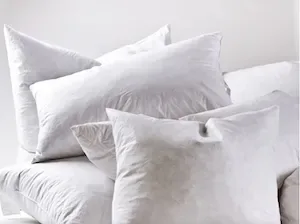
Pom Pom At Home
Meets the Welpr Standard
on Fig Linens
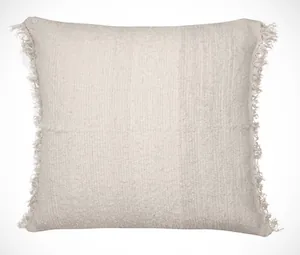
Healthier Homes
Meets the Welpr Standard
on Healthier Homes
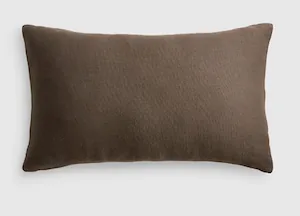
Quince
Meets the Welpr Standard
on Quince
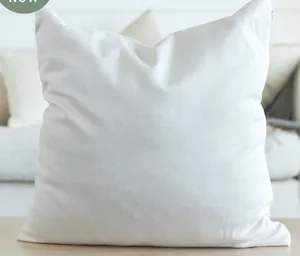
Avocado
Meets the Welpr Standard
on Avocado
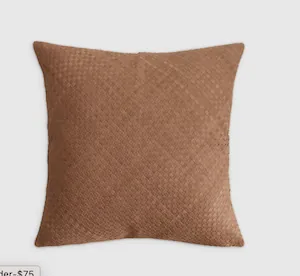
Quince
Meets the Welpr Standard
on Quince
Here's how to swap to non-toxic throw pillows:
Throw pillows are made up of two main parts: the cover fabric and the fill inside. Both can vary widely in materials, from natural fibers and fills to synthetic fabrics, polyester stuffing, and foam treated with chemical finishes. Since throw pillows sit against your skin on couches and beds — and often end up near your face — what they're made of is worth paying attention to.
Check the tags or product listings for your current throw pillows to see what the cover and fill are made of. Look for details on both the outer fabric and the stuffing inside.
If you're not ready to replace your throw pillows right away, a few simple steps can help reduce what you're exposed to. New pillows especially can off-gas from synthetic fills, dyes, or fabric treatments.
Look for throw pillows with covers made from natural fibers like organic cotton, linen, or hemp, and fills made from wool, down, or plant-based materials like kapok. Avoid pillows stuffed with polyester or synthetic foam, and steer clear of products made with azo dyes.
Cofounder & Product Curator
Camille May is the co-creator of Welpr and a guide for clean living. After selling her last company in the health food space, she went non-toxic while working to heal an autoimmune condition....
Medical Reviewer, PhD
Olushola M. Awoyemi (aka Shola) is a board-certified toxicologist and a research scientist with a PhD in Environmental Toxicology. Shola's long-term ambition is to be recognized as a world-renowned expert in toxicology,...