

As an Amazon Associate, we earn from qualifying purchases. Affiliate links do not affect our ratings. Learn more.
Best Non-Toxic Toothbrushes
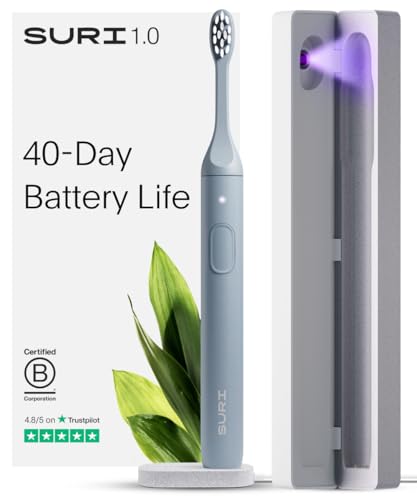
We vetted toothbrushes against the Welpr Standard and here are our top picks.
Here's what we look for:
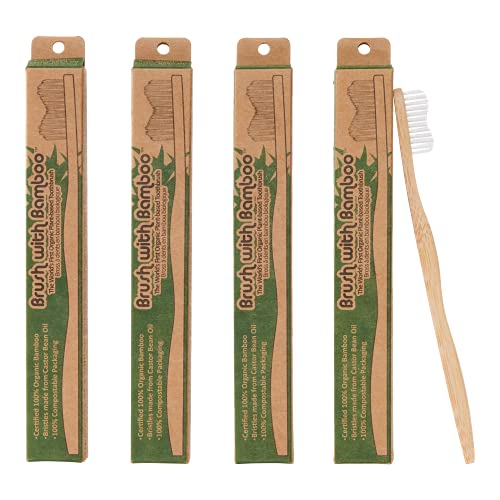
- Plant-based bristles and natural material handles like bamboo
- No PFAS or chemical coatings
- Full transparency on all materials
- Third-party certifications when available
Best Non-Toxic Toothbrushes
On Welpr, terms like "non-toxic," "safer," "cleaner," "healthier," and "vetted" are editorial labels based on our own standard for product assessment. They are not guarantees, certifications, or medical claims. Learn more.
Welpr Blueprint: Go Non-Toxic Mini-Course
The 80/20 guide to going non-toxic the easy way.

How to Swap to Non-Toxic toothbrushes:
Here's how to swap to non-toxic toothbrushes:
What to know about toothbrushes
Your toothbrush goes in your mouth at least twice a day, making it one of the most frequent and direct-contact products you use. Welpr focuses on what the brush is made of — the handle material, bristle type, and any coatings or treatments — because these materials sit against your gums, teeth, and soft tissue every time you brush.
- Most conventional toothbrushes are made entirely of plastic, with nylon bristles that can contain petroleum-based additives.
- Toothbrushes with plant-based bristles and plastic-free handles like bamboo are lower-concern options.
Check the toothbrush you use now
Take a look at your current toothbrush and note what it's made of. Check the packaging or product listing for details on the handle material, bristle type, and whether any coatings are used.
- Look for terms like 'bamboo handle,' 'plant-based bristles,' or 'BPA-free' — if the packaging doesn't mention materials at all, it's likely conventional plastic.
- Start with the toothbrushes used most often or by kids, since children's mouths are more sensitive and they tend to chew on bristles.
Get more from your current toothbrush
If you're not ready to replace your toothbrush right away, a few simple habits can help. Rinsing and storing your brush properly reduces buildup between uses.
- Rinse bristles thoroughly under running water after each use and store the brush upright in open air so it dries completely between uses.
- Replace your toothbrush every three months or sooner if bristles are frayed — worn bristles can harbor more buildup and are less effective.
Choose a cleaner toothbrush
Welpr looks for toothbrushes made with plastic-free handles like bamboo or other compostable materials and plant-based bristles. These low-waste options avoid the synthetic materials found in conventional brushes.
- Look for brushes that clearly list their handle and bristle materials — vague claims like 'eco-friendly' without specifics are worth questioning.
- Click the button above to shop Welpr Approved toothbrushes.

Camille May
Cofounder & Product Curator
Camille May is the co-creator of Welpr and a guide for clean living. After selling her last company in the health food space, she went non-toxic while working to heal an autoimmune condition....

Olushola M. Awoyemi
Medical Reviewer, PhD
Olushola M. Awoyemi (aka Shola) is a board-certified toxicologist and a research scientist with a PhD in Environmental Toxicology. Shola's long-term ambition is to be recognized as a world-renowned expert in toxicology,...