

S'well
Stainless Steel Water Bottle
Est. Price$31.63
9.0
Performance
Ingredient Safety
Meets the Welpr Standard
Buy Now
on Amazon
Free From
Highlights
Recycled materials
Dishwasher safe
Lifetime warranty
Standard bottle
Insulated
17 oz
As an Amazon Associate, we earn from qualifying purchases. Affiliate links do not affect our ratings. Learn more.
We vetted water bottles against the Welpr Standard and here are our top picks.

Cofounder & Product Curator

Medical Reviewer, PhD
Here's what we look for:

On Welpr, terms like "non-toxic," "safer," "cleaner," "healthier," and "vetted" are editorial labels based on our own standard for product assessment. They are not guarantees, certifications, or medical claims. Learn more.
S'well
Meets the Welpr Standard
on Amazon
The 80/20 guide to going non-toxic the easy way.

Simple Modern
Meets the Welpr Standard
on Amazon

Owala
Meets the Welpr Standard
on Amazon
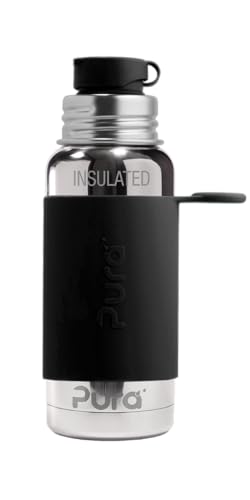
Pura
Meets the Welpr Standard
on Amazon

mayu
Meets the Welpr Standard
on Amazon

Klean Kanteen
Meets the Welpr Standard
on Amazon
Here's how to swap to non-toxic water bottles:
Your water bottle is something you drink from multiple times a day, often for years. The material it's made from matters because liquids can pull traces of whatever they're in contact with, especially with heat or extended use.
Look at the bottom or label of your water bottle to identify the main material. Focus first on bottles you or your family use every day, especially any that get filled with warm or hot liquids.
If you're not ready to replace your bottle right away, a few simple habits can reduce what might transfer into your water. This is especially helpful for plastic bottles.
When you're ready to upgrade, look for water bottles made from stainless steel or glass. These are non-reactive, durable, and among the safest materials for daily drinking.
Cofounder & Product Curator
Camille May is the co-creator of Welpr and a guide for clean living. After selling her last company in the health food space, she went non-toxic while working to heal an autoimmune condition....
Medical Reviewer, PhD
Olushola M. Awoyemi (aka Shola) is a board-certified toxicologist and a research scientist with a PhD in Environmental Toxicology. Shola's long-term ambition is to be recognized as a world-renowned expert in toxicology,...