

Natural Elements
Weed Killer
Est. Price$27.99
7.9
Performance
Ingredient Safety
Meets the Welpr Standard
Buy Now
on Amazon
Highlights
Made in USA
Post-emergent
Ready to use spray
Pet safe when dry
As an Amazon Associate, we earn from qualifying purchases. Affiliate links do not affect our ratings. Learn more.
We vetted weed killers against the Welpr Standard and here are our top picks.

Cofounder & Product Curator

Medical Reviewer, PhD
Here's what we look for:

On Welpr, terms like "non-toxic," "safer," "cleaner," "healthier," and "vetted" are editorial labels based on our own standard for product assessment. They are not guarantees, certifications, or medical claims. Learn more.
Natural Elements
Meets the Welpr Standard
on Amazon
The 80/20 guide to going non-toxic the easy way.
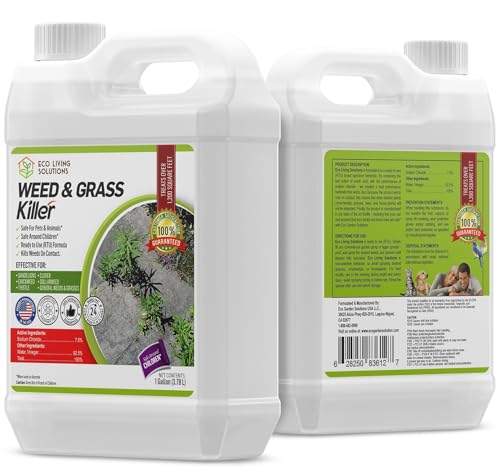
Eco Garden Pro
Meets the Welpr Standard
on Amazon

Dr. Earth
Meets the Welpr Standard
on Amazon

Green Gobbler
Meets the Welpr Standard
on Amazon

Pet's Pals
Fails the Welpr Standard
on Amazon

Natural Armor
Fails the Welpr Standard
on Amazon
Here's how to swap to non-toxic weed killers:
Weed killers are applied outdoors but can still affect your household. Residues can be tracked inside on shoes, absorbed through skin during application, or inhaled as spray mist. Welpr looks at the formula's ingredients, transparency, and whether it avoids harsh synthetic chemicals.
Check the label on your current weed killer for a full ingredient list. Welpr does not have a scanner for this category, so you'll need to look at the product packaging or the manufacturer's website directly.
If you're not ready to replace your weed killer right away, a few simple changes can reduce your exposure during application. This is especially worth doing if you spray frequently or have kids or pets using the yard.
Look for weed killers with short, fully disclosed ingredient lists and no synthetic fragrances, harsh preservatives, or vague "inert" fillers. Brands that are transparent about every ingredient — not just the active ones — are a good sign.
Cofounder & Product Curator
Camille May is the co-creator of Welpr and a guide for clean living. After selling her last company in the health food space, she went non-toxic while working to heal an autoimmune condition....
Medical Reviewer, PhD
Olushola M. Awoyemi (aka Shola) is a board-certified toxicologist and a research scientist with a PhD in Environmental Toxicology. Shola's long-term ambition is to be recognized as a world-renowned expert in toxicology,...