


Free From
As an Amazon Associate, we earn from qualifying purchases. Affiliate links do not affect our ratings. Learn more.
We vetted women's shoes against the Welpr Standard and here are our top picks.

Cofounder & Product Curator

Medical Reviewer, PhD
Here's what we look for:

On Welpr, terms like "non-toxic," "safer," "cleaner," "healthier," and "vetted" are editorial labels based on our own standard for product assessment. They are not guarantees, certifications, or medical claims. Learn more.
The 80/20 guide to going non-toxic the easy way.
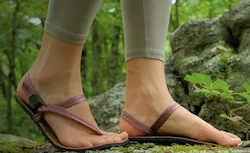

Meets the Welpr Standard
WELPRon Earth Runners

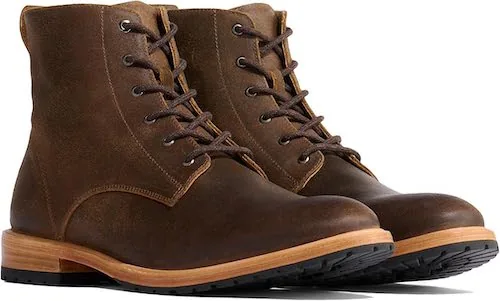
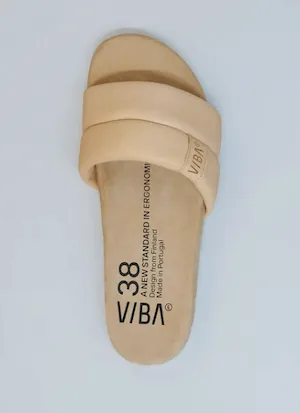

Here's how to swap to non-toxic women's shoes:
Shoes are worn for hours every day, often in direct contact with your feet and skin. Welpr looks at the materials shoes are made from — the fabrics, dyes, adhesives, and finishes — because what sits against your skin for long stretches matters more than what touches it briefly.
Check the materials listed on your current shoes, either on the tongue label, insole, or box. Look for what the upper, lining, and sole are made of. Shoes made from natural materials like leather, cotton, linen, hemp, or wool are a better starting point than those made entirely from synthetics.
Replacing all your shoes at once is not realistic. A few small changes can help reduce what your skin is exposed to while you wear what you have.
When it is time for new shoes, look for pairs made primarily from natural, breathable materials like organic cotton, linen, hemp, wool, or responsibly sourced leather. These are more comfortable, better for your skin, and less likely to carry chemical residues.
Cofounder & Product Curator
Camille May is the co-creator of Welpr and a guide for clean living. After selling her last company in the health food space, she went non-toxic while working to heal an autoimmune condition....
Medical Reviewer, PhD
Olushola M. Awoyemi (aka Shola) is a board-certified toxicologist and a research scientist with a PhD in Environmental Toxicology. Shola's long-term ambition is to be recognized as a world-renowned expert in toxicology,...