
As an Amazon Associate, we earn from qualifying purchases. Affiliate links do not affect our ratings. Learn more.

Best Non-Toxic Women's Swimwear

We vetted women's swimwear against the Welpr Standard and here are our top picks.

Camille May

Camille May

Cofounder & Product Curator

Olushola M. Awoyemi

Olushola M. Awoyemi

Medical Reviewer, PhD

Here's what we look for:

  • Natural, breathable fibers like organic cotton, hemp, wool, and leather
  • Minimal use of synthetics
  • Non-toxic dyes and low-impact finishes
  • Trusted certifications like GOTS and OEKO-TEX
  • Transparent sourcing, ethical manufacturing, and full material disclosure

Best Non-Toxic Women's Swimwear

On Welpr, terms like "non-toxic," "safer," "cleaner," "healthier," and "vetted" are editorial labels based on our own standard for product assessment. They are not guarantees, certifications, or medical claims. Learn more.

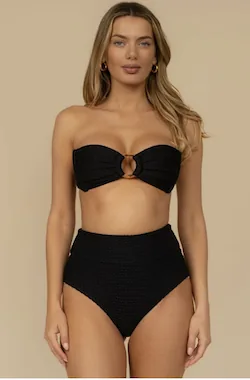
Araks

Araks

Welpr Rating
4.8?
Est. PricePrice level 3
Buy Now

on Araks

Free email mini-course

Welpr Blueprint: Go Non-Toxic Mini-Course

The 80/20 guide to going non-toxic the easy way.

No spam. Unsubscribe anytime.

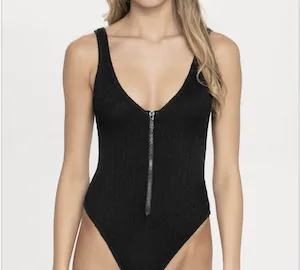
Organic Basics

Organic Basics

Welpr Rating
4.7?
Est. PricePrice level 1
Buy Now

on Organic Basics

Discount Code
WELPR10
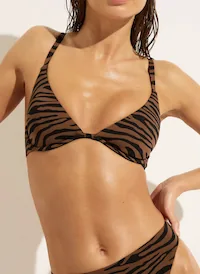
Montce

Montce

Welpr Rating
4.7?
Est. PricePrice level 2
Buy Now

on Montce

Youswim

Youswim

Welpr Rating
4.7?
Est. PricePrice level 3
Buy Now

on Youswim

MASA Swimwear

MASA Swimwear

Welpr Rating
4.5?
Est. PricePrice level 1
Buy Now

on MASA

Natasha Tonic

Natasha Tonic

Welpr Rating
4.5?
Est. PricePrice level 3
Buy Now

on Natasha Tonic

How to Swap to Non-Toxic women's swimwear:

Here's how to swap to non-toxic women's swimwear:

What to know about women's swimwear

Swimwear sits directly against your skin for extended periods, often in heat, water, and sun. This combination can increase how much your skin absorbs from the fabric itself. Welpr focuses on the materials, dyes, and chemical treatments used in swimwear because these factors determine what's actually resting against your body.

  • Most conventional swimwear is made almost entirely from synthetic fabrics like nylon and polyester, which may carry chemical residues from dyes, finishes, or coatings.
  • Swimwear worn frequently — especially by kids or during pregnancy — deserves extra attention since exposure adds up over time.

Review what you already own

Check the care labels on your current swimsuits to see what they're made of and how they were produced. Look for fiber content, any finish or treatment claims, and whether the brand shares details about its dyes or manufacturing.

  • If the label lists only synthetic materials with no mention of dye safety, certifications, or chemical-free treatments, it's worth flagging for replacement over time.
  • Start with the swimsuit you wear most often or the one your child wears, since frequency of use and skin contact make those the highest priority.

Get more from the swimwear you have now

If you're not ready to replace your current swimsuit, a few simple habits can reduce what your skin picks up from the fabric. These small steps are especially helpful for suits you wear often.

  • Wash new swimsuits at least once before wearing them to help remove residual dyes and chemical finishes from manufacturing.
  • Rinse your swimsuit with fresh water right after each use — this helps wash away chlorine, salt, and loosened fabric residues before they sit against your skin.

Choose cleaner swimwear

Look for swimwear made primarily from natural fibers like hemp, linen, or organic cotton, or blends that keep synthetics to a minimum. When stretch materials like elastane or spandex are included, they should be a small percentage and free from PFAS and BPA.

  • Prioritize brands that use low-impact or plant-based dyes, avoid azo dyes, and hold certifications like GOTS or OEKO-TEX® — but also look for brands that are transparent about their full production process.
  • Click the button above to shop Welpr Approved women's swimwear.
Camille May

Camille May

Cofounder & Product Curator

Camille May is the co-creator of Welpr and a guide for clean living. After selling her last company in the health food space, she went non-toxic while working to heal an autoimmune condition....

Olushola M. Awoyemi

Olushola M. Awoyemi

Medical Reviewer, PhD

Olushola M. Awoyemi (aka Shola) is a board-certified toxicologist and a research scientist with a PhD in Environmental Toxicology. Shola's long-term ambition is to be recognized as a world-renowned expert in toxicology,...