


Top Pick
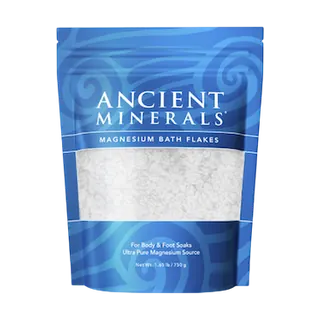
Ancient Minerals
Magnesium Bath Flakes
- Free From
- Cruelty Free, Dye Free, Fragrance Free
- Highlights
- Vegan, Pregnancy safe, Fragrance-free, No synthetic fragrance, Recyclable packaging, Recycled materials, Magnesium flakes, Stress relief, Scented
Pros
- Dissolves completely in warm water with no residue or grittiness.
- Noticeably reduces muscle tension and soreness after 15 to 20 minutes of soaking.
- Multiple people report falling asleep faster and sleeping more deeply on nights they soak.
- Skin feels noticeably soft after bathing.
- The resealable bag keeps flakes fresh and makes measuring easy.
Cons
- The suggested amount per bath on the bag is much higher than expected; using it as directed on the label can mean going through a bag in one or two soaks.
- Directions on the bag and the product listing don't match, which causes confusion about how much to use.
- Magnesium chloride flakes that dissolve in a warm bath or foot soak, delivering magnesium through the skin rather than through the digestive system. For people who don't tolerate oral magnesium supplements well (stomach upset is common), this is an alternative absorption route.
- Most bath salts use magnesium sulfate (Epsom salt). These are magnesium chloride, which dissolves faster and is a different compound with its own absorption profile.
- Sourced from the Zechstein seabed in Northern Europe, a deposit sitting nearly two miles underground that hasn't been exposed to modern ocean pollutants. That sourcing distinction is the main reason this brand comes up in non-toxic bath salts conversations.
- Unscented with no added fragrance or fillers. If you want scent, you'd add your own essential oils.
- Often chosen for children or people with sensitive skin who find the brand's more concentrated magnesium oil or gel too intense. The bath dilution makes it gentler on reactive skin.
- Magnesium Chloride